
Walking your dog should be a peaceful experience—a time to bond, exercise, and enjoy the outdoors. Yet for many pet owners, it quickly turns into a struggle of pulling, lunging, and constant correction. The Zero Shock Leash is designed to change that. Unlike traditional leashes that rely on force or sudden jerks, this innovative tool promotes gentle guidance and communication between you and your dog. When used correctly, it can transform chaotic walks into calm, controlled outings. This guide breaks down how to use the Zero Shock Leash effectively, safely, and humanely—step by step.
Understanding the Zero Shock Leash: How It Works
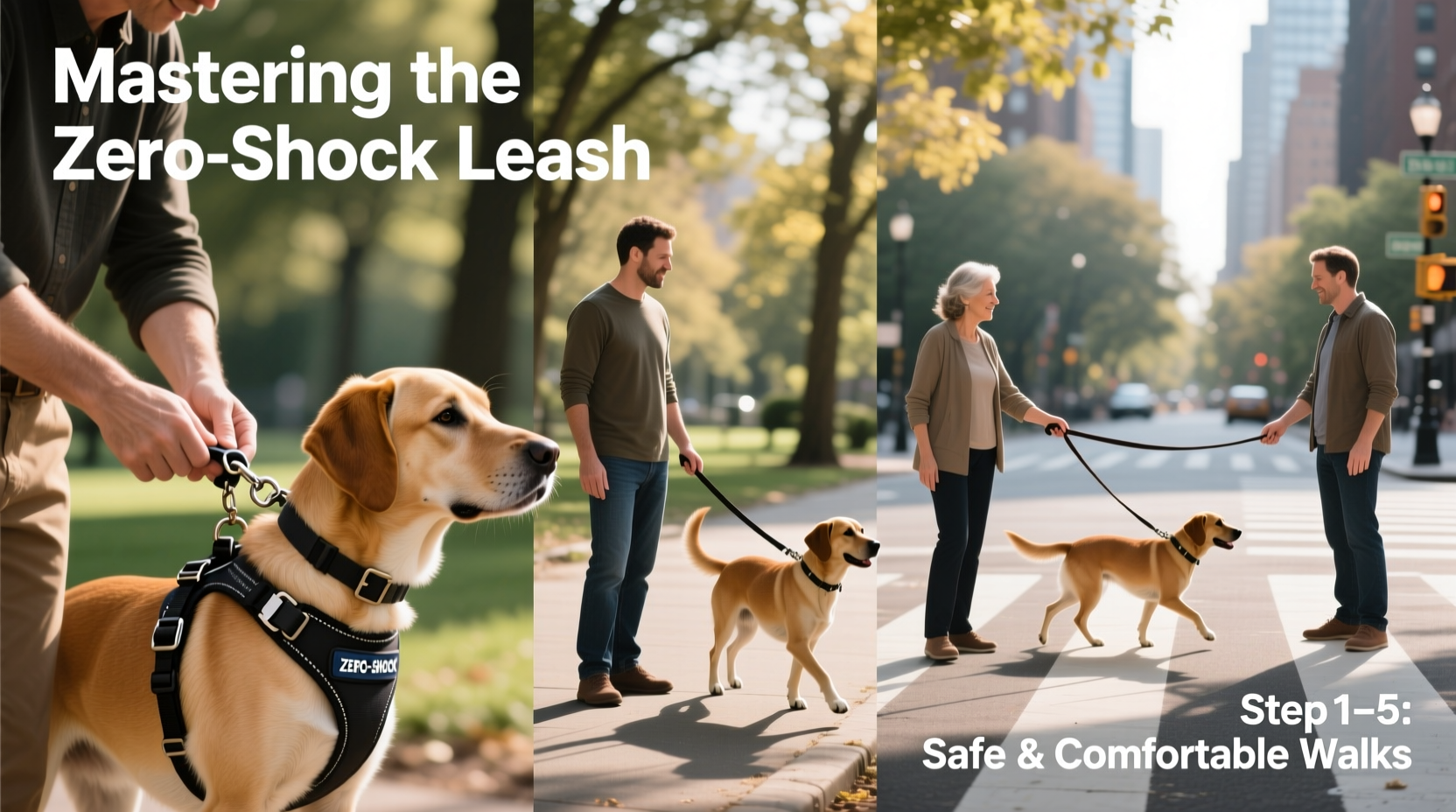
The Zero Shock Leash isn’t about punishment—it’s about prevention. Its design focuses on distributing pressure evenly across the dog’s body, avoiding strain on the neck and trachea. Most models attach at both the collar and the harness, creating a dual-anchor system. When your dog pulls forward, the leash gently redirects their movement back toward you without yanking or choking. This redirection mimics natural resistance, teaching the dog to stay close through consistent feedback rather than fear.
Unlike choke chains or prong collars, which rely on discomfort to deter pulling, the Zero Shock Leash encourages self-correction. It works best when combined with positive reinforcement and clear communication. Think of it as a training aid that supports good behavior, not one that suppresses bad behavior through pain.
Step-by-Step Guide to Using the Zero Shock Leash
- Familiarize Your Dog with the Equipment
Allow your dog to see, smell, and wear the leash in a relaxed setting. Attach it while giving treats or playing to create a positive association. - Proper Fit Is Crucial
Ensure the harness fits snugly but allows two fingers beneath the straps. The collar attachment should be secure but not tight. Misalignment reduces effectiveness and comfort. - Practice Indoors First
Walk around your home or yard using short sessions. Reward your dog every time they walk beside you without tension on the leash. - Use Verbal Cues Consistently
Pair the leash with commands like “heel,” “let’s go,” or “easy.” Say them calmly each time you start moving or correct direction. - Respond to Pulling with Gentle Redirection
If your dog surges ahead, stop walking and gently guide them back using the leash. Avoid jerking—use smooth motions to reposition them. - Reward Calm Behavior Immediately
Every time your dog stays within your desired zone (typically one step ahead or beside you), offer praise or a treat. - Gradually Increase Distractions
Once your dog responds well at home, move to quiet sidewalks, then busier areas. Build confidence slowly.
Do’s and Don’ts When Using the Zero Shock Leash
| Do’s | Don’ts |
|---|---|
| Use positive reinforcement consistently | Yank or jerk the leash sharply |
| Check fit daily before walks | Leave the harness on for extended periods unattended |
| Start training in low-distraction zones | Expect perfect behavior immediately |
| Combine with verbal cues and hand signals | Use it as a substitute for basic obedience training |
| Replace worn parts promptly | Use it on dogs with respiratory issues unless approved by a vet |
Real-World Example: Transforming Max’s Walks
Max, a three-year-old Australian Shepherd, had become increasingly difficult to walk. He’d lunge at squirrels, bark at cyclists, and pull so hard his owner developed shoulder pain. After trying several tools—including retractable leashes and front-clip harnesses—with limited success, Max’s owner introduced the Zero Shock Leash.
The first week was challenging. Max resisted the new sensation and pulled instinctively. But by pairing each walk with high-value treats and stopping whenever he surged ahead, progress began. Within ten days, Max started glancing back at his owner when he felt tension. By day 18, he walked calmly past a skateboarder—the very trigger that once sent him into a frenzy.
“It wasn’t magic,” Max’s owner said. “It was consistency. The leash gave me control without hurting him, and that made all the difference.”
“The Zero Shock Leash works best when seen as part of a broader communication strategy—not just a restraint tool. Dogs respond to clarity, not confusion.” — Dr. Lena Torres, Certified Canine Behavior Consultant
Common Mistakes and How to Avoid Them
Even with the right equipment, technique matters. One of the most frequent errors is inconsistent handling—sometimes allowing pulling, sometimes correcting. This confuses dogs and delays learning. Another issue is over-reliance on the leash itself, neglecting foundational training like sit, stay, and focus commands.
Some owners also hold the leash too tightly from the start, creating unnecessary tension. Remember, the goal is to allow slight freedom while maintaining readiness to redirect. Practice loose-handled walking: keep a soft grip, absorb small movements, and only engage the redirection mechanism when needed.
Finally, skipping warm-up or cool-down phases can lead to frustration. Begin each walk with a minute of standing still or slow pacing to set expectations. End with a brief stationary reward—this reinforces the idea that calm behavior earns positive outcomes.
Essential Checklist for Zero Shock Leash Success
- ✔️ Confirm proper fit of both harness and collar attachments
- ✔️ Practice indoors before outdoor use
- ✔️ Use consistent verbal cues (“heel,” “let’s go”)
- ✔️ Carry treats or a toy for immediate rewards
- ✔️ Start with short, focused walks (10–15 minutes)
- ✔️ Monitor your dog for signs of discomfort or chafing
- ✔️ Clean the leash and harness weekly to maintain hygiene
- ✔️ Replace frayed straps or broken clips immediately
Frequently Asked Questions
Is the Zero Shock Leash suitable for puppies?
Yes, provided the size and fit are appropriate. Puppies benefit from early exposure to proper walking mechanics. Just ensure the harness is adjustable and doesn’t restrict growth or movement. Begin training between 12–16 weeks, using only gentle guidance.
Can I use the Zero Shock Leash on a strong puller?
Absolutely. Many owners of large or powerful breeds find it effective because it distributes force across the body instead of concentrating it on the neck. However, pairing it with structured training is essential. The leash supports learning—it doesn’t replace it.
Does the Zero Shock Leash work for reactive dogs?
It can help manage reactivity by giving handlers better control during encounters. However, it should be used alongside behavioral modification techniques such as desensitization and counter-conditioning. Consult a professional trainer if your dog shows aggression or extreme fear.
Final Thoughts: Building a Better Walking Experience
Mastering the Zero Shock Leash isn’t just about controlling your dog—it’s about connecting with them. Every walk becomes an opportunity to reinforce trust, attention, and mutual respect. With patience, consistency, and the right approach, even the most unruly walker can learn to stroll calmly by your side.
The key lies not in the tool itself, but in how you use it. Combine the leash’s mechanical advantage with kindness, timing, and positive reinforcement. Over time, your dog won’t just walk nicely—they’ll want to.




 浙公网安备
33010002000092号
浙公网安备
33010002000092号 浙B2-20120091-4
Comments
No comments yet. Why don't you start the discussion?