
Tote bags are the unsung heroes of everyday carry—spacious, stylish, and versatile enough to handle everything from groceries to gym gear. But their open design and lack of internal structure often lead to chaos. Keys vanish into dark corners, snacks get crushed under laptops, and finding your phone becomes a treasure hunt. The solution isn’t buying a new bag; it’s mastering tote bag organization. With the right strategies, you can transform your tote into a well-oiled personal command center that delivers what you need—when you need it.
Choose the Right Tote for Your Lifestyle
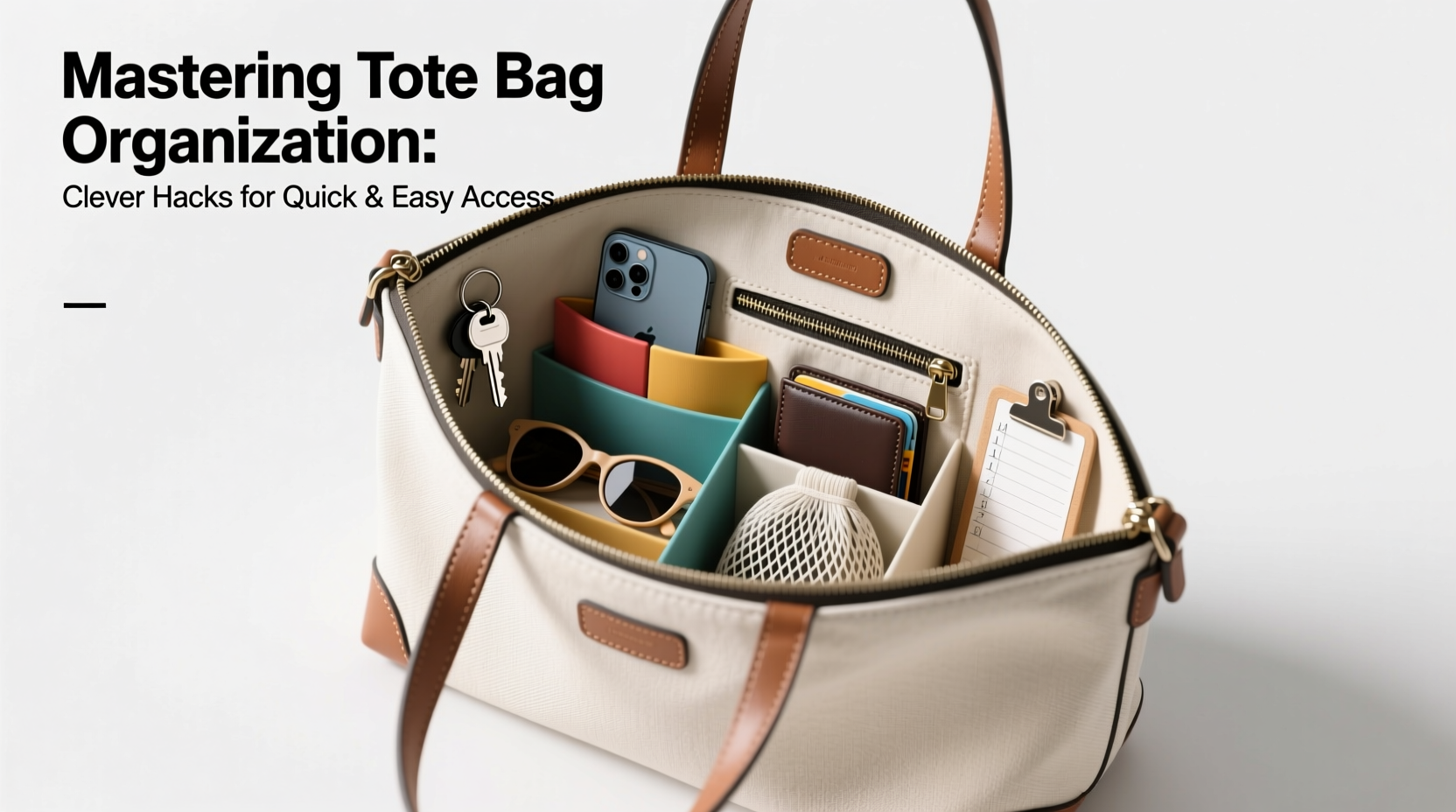
Not all totes are created equal. Before diving into organization hacks, ensure your bag aligns with your daily needs. A tote used for work will require different features than one used for weekend errands or travel. Consider size, material, closure type, and interior layout when selecting your ideal tote.
| Lifestyle | Recommended Tote Features | Avoid |
|---|---|---|
| Work/Commute | Padded laptop sleeve, zip-top closure, interior pockets | Open-top canvas bags without structure |
| Gym & Errands | Water-resistant lining, separate shoe compartment, side bottle pocket | Delicate fabrics like silk or suede |
| Travel & Day Trips | Expandable sides, crossbody strap option, RFID-safe pocket | Overly bulky designs that add weight |
Selecting a tote with smart built-in features reduces the need for excessive accessories and simplifies long-term organization.
Create Dedicated Zones Inside Your Tote
Just as homes have rooms for specific purposes, your tote should have designated zones. This prevents items from migrating and eliminates rummaging. Divide your bag into four core areas:
- Essentials Zone: Phone, wallet, keys, lip balm—items you access hourly. Keep these in an easily reachable front pocket or small pouch.
- Work Zone: Laptop, notebook, pens, charger. Use a padded insert or structured organizer to protect electronics and maintain order.
- Personal Care Zone: Hand sanitizer, tissues, menstrual products, sunglasses. Store in a soft-lined cosmetic pouch to prevent spills and damage.
- On-the-Go Zone: Reusable water bottle, snack container, umbrella. These go in exterior pockets or bottom corners where they won’t crush other items.
Use Smart Organizers Instead of Stuffing
Jamming items loosely into a tote leads to disarray and forgotten belongings. Instead, invest in organizers that match your usage patterns:
- Zippered Pouches: Ideal for small items like cords, earbuds, or medication. Clear ones allow visibility; fabric ones blend aesthetically.
- Modular Inserts: Foam or fabric dividers that fit inside larger totes, creating custom compartments for laptops, books, or bottles.
- Magnetic Closure Trays: Rigid trays with snap lids that sit at the top of your tote, holding frequently used items within sight.
- Roll-Up Toiletry Bags: Perfect for compressing hygiene kits while keeping contents separated and accessible.
These tools do more than contain—they create systems. Once you know exactly where your hand cream lives or where your transit card is stored, you stop wasting time searching.
Mini Case Study: From Chaos to Calm in One Week
Sophie, a freelance designer in Portland, carried a large canvas tote between client meetings, coffee shops, and her home studio. Her bag routinely contained a jumbled mix of sketchbooks, chargers, snacks, and makeup. She once missed a Zoom call because she couldn’t find her headphones until 15 minutes later.
After implementing zone-based organization, she added a slim magnetic tray for daily essentials, a padded sleeve for her tablet, and three labeled pouches: “Tech,” “Sketch Tools,” and “Self-Care.” Within days, she reported cutting her “bag dive” time by 80%. “I grab what I need without thinking now,” she said. “It feels like my bag finally works *for* me instead of against me.”
Adopt a Daily Reset Routine
Organization isn’t a one-time fix—it’s a habit. Just as you tidy your desk at the end of the day, reset your tote nightly. This five-minute ritual ensures consistency and prevents clutter buildup.
Step-by-Step Evening Reset
- Empty Completely: Remove every item from the bag, placing them on a clean surface.
- Sort & Assess: Separate trash (receipts, wrappers), return misplaced items to their homes, and check for anything needing recharging or refilling.
- Clean Surfaces: Wipe down the interior with a microfiber cloth. For leather or vinyl, use a gentle cleaner; for fabric, spot-treat stains if needed.
- Refill Essentials: Replace used tissues, recharge devices, and restock emergency items like bandaids or breath mints.
- Repack Strategically: Return items to their designated zones, placing tomorrow’s must-haves on top.
“People underestimate how much mental energy disorganization drains. A predictable system frees up cognitive space for creativity and focus.” — Dr. Lena Torres, Productivity Psychologist
Optimize for Speed: Quick-Access Hacks
When you're rushing out the door or standing in line, every second counts. These clever tweaks minimize fumbling:
- Attach a Key Leash: Clip your keys to a short elastic loop anchored near the tote’s opening. No more digging.
- Use a Phone Pocket with a Pull Tab: Slide your phone into a bright fabric sleeve with a contrasting tab that sticks out slightly—easy to spot and grab.
- Hang a Mini Flashlight: Attach a tiny LED light to your zipper pull for locating items in dim environments like movie theaters or crowded trains.
- Label Pouches with Icons: If you’re visual, use iron-on patches or stickers (e.g., a battery for tech, a coffee cup for caffeine supplies) instead of words.
Checklist: Tote Organization Audit
Perform this monthly to maintain efficiency:
- ✅ Remove expired coupons, old receipts, and unused samples
- ✅ Test all zippers and straps for wear
- ✅ Wash removable liners or pouches
- ✅ Re-evaluate your zones—are they still serving your current routine?
- ✅ Donate or discard duplicates (three lip balms? Really?)
Frequently Asked Questions
How do I keep my tote from sagging or losing shape?
Insert a lightweight frame or use a removable bottom board made of firm cardboard wrapped in fabric. Alternatively, store your tote with a rolled towel or bubble wrap inside when not in use to preserve structure.
Can I organize a tote without buying extra accessories?
Absolutely. Repurpose household items: use a sturdy pencil case for small items, a scarve to bundle pens, or a sandwich bag for cords. The key is consistency—not cost.
What’s the best way to clean a fabric tote?
Spot-clean minor stains immediately with mild soap and water. For machine-washable totes, turn inside out, place in a pillowcase, and wash on gentle cycle. Air dry completely before reuse to prevent mildew.
Final Thoughts: Turn Your Tote Into a Trusted Companion
A well-organized tote isn’t just about convenience—it’s about reducing friction in your day. Every time you effortlessly pull out your transit pass or find your glasses without emptying half your bag, you reclaim a moment of calm. These small wins accumulate into greater confidence, punctuality, and peace of mind.
The strategies here aren’t about perfection. They’re about progress—building a system that evolves with your life. Start with one change: a single pouch, a five-minute reset, or a labeled zone. Master that, then expand. Soon, your tote won’t just carry your things—it will support your rhythm.




 浙公网安备
33010002000092号
浙公网安备
33010002000092号 浙B2-20120091-4
Comments
No comments yet. Why don't you start the discussion?