
Packing a tote bag seems simple—toss in what you need and go. But over time, disorganized packing leads to cluttered interiors, misplaced essentials, and unnecessary weight. A well-packed tote isn’t just about fitting more; it’s about accessing what you need quickly, protecting delicate items, and reducing physical strain. Whether you use your tote for work, travel, errands, or weekend outings, mastering the art of efficient packing transforms it from a catch-all sack into a functional extension of your daily routine.
Choose the Right Tote for Your Needs
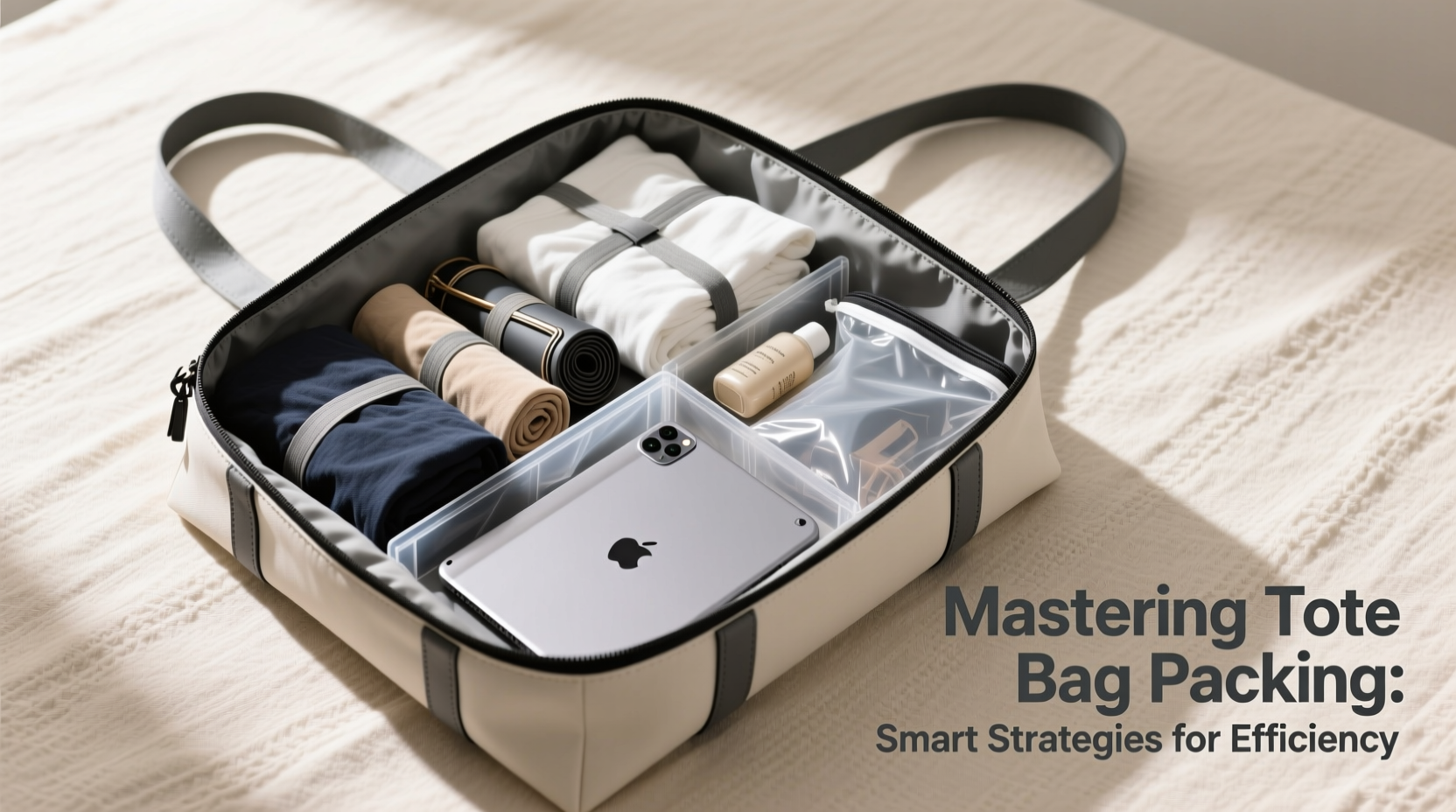
Not all tote bags are created equal. The foundation of smart packing starts before you add a single item: selecting a tote that aligns with your lifestyle. Consider size, structure, material, and interior features.
- Structured totes maintain shape and offer better compartmentalization.
- Unstructured canvas totes are lightweight but may collapse when packed unevenly.
- Water-resistant materials like nylon or coated canvas protect contents in unpredictable weather.
- Interior pockets and zippers help separate categories of items, minimizing digging.
Apply the Layered Packing Method
Efficiency begins with strategy. The layered packing method divides your tote into zones based on weight, frequency of access, and fragility. This prevents heavier items from crushing delicate ones and keeps frequently used items within reach.
- Base Layer (Bottom): Place heaviest, least-accessed items here—books, notebooks, gym clothes, or reusable shopping bags.
- Middle Layer: Store medium-weight essentials like lunch containers, water bottles, or folded jackets.
- Top Layer: Keep high-use items accessible—wallet, phone, keys, sunglasses, pens.
- Pocket Zones: Use side or interior pockets for small, easily lost items: earbuds, lip balm, hand sanitizer, transit cards.
This vertical organization ensures balance and minimizes the need to unpack everything just to retrieve one thing.
Use Packing Accessories to Optimize Space
Even the best tote benefits from internal organization tools. These accessories turn chaos into order without adding bulk.
| Accessory | Function | Best For |
|---|---|---|
| Zippered Pouches | Group small items (makeup, cords, snacks) | Daily commuters, travelers |
| Neoprene Bottle Holders | Secure water bottles and prevent leaks | Outdoor use, parents |
| Foldable Tote Bags | Store inside your main tote for impromptu shopping | Eco-conscious users |
| Cable Organizers | Prevent cord tangling | Digital workers, students |
| Mini Wallets or Tech Pods | Isolate frequently accessed essentials | Urban professionals |
These tools reduce friction in daily routines. For example, keeping chargers in a dedicated pouch means no more fishing through layers of fabric to find a frayed cable.
Real Example: The Overloaded Commuter Turnaround
Sarah, a graphic designer in Chicago, used her oversized canvas tote as a mobile office. She carried her laptop, sketchbook, lunch, umbrella, and multiple notebooks—but could never find her transit pass. After a week of frustration, she applied layered packing: she placed her laptop in a padded sleeve at the base, added her lunch in an insulated pouch in the middle, and used a bright red zippered wallet for her keys, card, and headphones on top. Within days, she reduced her morning prep time by six minutes and stopped leaving items behind.
“Organization isn’t about perfection—it’s about reducing decision fatigue. A well-packed tote saves mental energy.” — Dr. Lena Torres, Behavioral Productivity Researcher
Follow the Daily Packing Checklist
Consistency is key. To avoid last-minute scrambles, adopt a pre-packing checklist tailored to your routine. Customize this template based on your weekly schedule.
- Phone & charger
- Wallet or cardholder
- Reusable water bottle
- Keys
- Tissues or wipes
- Mask or hand sanitizer (if needed)
- Pen and notepad
- Weather-appropriate item (umbrella, sunglasses)
- One personal item (book, journal, knitting)
Review this list each evening. Remove anything unnecessary—clutter accumulates silently. If you haven’t used an item in three days, question whether it belongs in your daily load.
Avoid Common Packing Mistakes
Even experienced packers fall into traps that compromise efficiency. Recognizing these pitfalls helps maintain long-term organization.
| Mistake | Consequence | Solution |
|---|---|---|
| Overstuffing the tote | Strain on handles, distorted shape, difficulty closing | Limit contents to 70% capacity; rotate non-essentials |
| Mixing clean and dirty items | Soiled clothes transfer grime to electronics or documents | Use a separate laundry pouch or shoe bag |
| Ignoring weight distribution | Shoulder pain, unbalanced carry | Keep heavy items centered and close to your body |
| Letting receipts and wrappers accumulate | Clutter, bad odors, pest attraction | Empty and wipe down tote weekly |
Adapt Packing for Different Scenarios
Your tote should evolve with your day. A static packing list limits flexibility. Instead, create modular setups for different contexts.
- Work Mode: Laptop, notebook, business cards, presentation materials, coffee cup.
- Gym Mode: Workout clothes in a ventilated pouch, towel, deodorant, sneakers in a shoe bag.
- Errand Mode: Reusable bags, shopping list, coupons, portable stool or foldable cart if needed.
- Travel Day: Passport holder, snacks, noise-canceling headphones, travel pillow, offline entertainment.
Switching modes doesn’t require repacking from scratch. Use removable pouches so you can swap out entire categories at once. For instance, replace your work notebook pouch with a gym toiletry kit when heading straight from the office to yoga.
FAQ
How do I keep my tote from becoming too heavy?
Monitor total weight—ideally under 10% of your body weight. Regularly audit contents and remove redundant items. Use lighter alternatives where possible, such as digital notes instead of paper notebooks.
What’s the best way to clean a tote bag?
It depends on the material. Canvas can often be spot-cleaned with mild soap and water. Leather requires specialized wipes and conditioners. Always check manufacturer instructions. Never machine-wash unless explicitly stated.
Can I use the same tote for work and leisure?
Yes, but only if it supports modular organization. Neutral colors and professional design make it versatile. Use color-coded pouches to distinguish between work and personal items, avoiding confusion.
Final Thoughts: Make Packing Effortless
Mastering tote bag packing isn’t about rigid rules—it’s about designing a system that works seamlessly with your life. When your bag is organized, you spend less time searching and more time doing what matters. The right structure, consistent habits, and smart accessories compound into daily gains: confidence, efficiency, and peace of mind.




 浙公网安备
33010002000092号
浙公网安备
33010002000092号 浙B2-20120091-4
Comments
No comments yet. Why don't you start the discussion?