
Walking through a forest or strolling down a city street lined with trees, you might wonder: What kind of tree is that? The ability to identify trees isn’t reserved for botanists or foresters. With a structured method and attention to key features, anyone can learn to confidently recognize tree species. Whether you're a nature enthusiast, hiker, gardener, or educator, mastering tree identification deepens your connection to the natural world and enhances outdoor experiences.
Start with the Basics: Understand Tree Anatomy
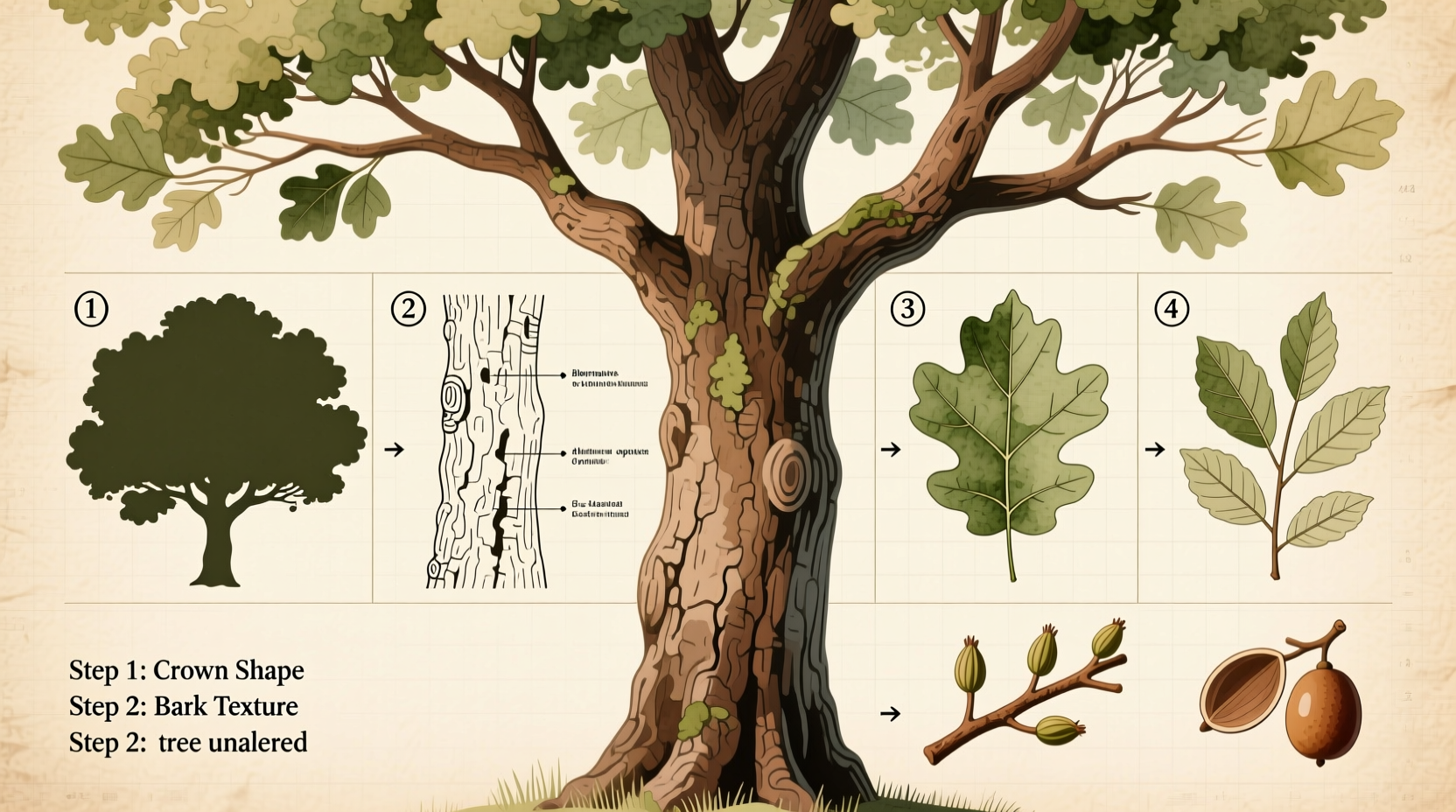
Before diving into species-specific traits, familiarize yourself with the fundamental parts of a tree that aid in identification. Leaves, bark, buds, twigs, fruit (like nuts or cones), and overall form all provide critical clues. Each element varies significantly across families and species, offering reliable markers when observed systematically.
Begin by focusing on broad categories:
- Deciduous vs. Coniferous: Deciduous trees shed their leaves annually, while conifers typically retain needle-like foliage year-round and produce cones.
- Leaf Arrangement: Are leaves opposite (paired at each node) or alternate (staggered along the stem)? Opposite arrangement is less common and often indicates specific families like maple or ash.
- Leaf Type: Simple (single blade) or compound (multiple leaflets on one stalk)? This distinction alone can narrow down possibilities.
A Step-by-Step Field Guide to Identifying Trees
Follow this practical sequence when encountering an unknown tree. Consistency improves accuracy over time.
- Observe the Silhouette: Step back and assess the tree’s overall shape—pyramidal, rounded, weeping, or spreading. Oaks tend to have broad crowns; pines are often conical.
- Examine the Bark: Texture, color, and pattern vary widely. Birch has papery, peeling bark; shagbark hickory sheds in long strips; beech is smooth and gray.
- Collect a Leaf Sample: Note whether it's simple or compound, toothed or smooth-edged, lobed or unlobed. Measure its size and check venation patterns.
- Check Leaf Arrangement: Use the stem to determine if leaves grow opposite or alternate. Remember the mnemonic: “MAD Horse Bucks”—Maple, Ash, Dogwood, and Horse chestnut have opposite branching.
- Look for Flowers, Fruit, or Seeds: In season, these offer definitive clues. Acorns mean oak; winged samaras suggest maple; paired berries may indicate ash.
- Inspect Buds and Twigs: Dormant season IDs rely heavily on buds—size, color, and arrangement. Terminal buds, lateral buds, and twig texture (hairy, grooved, etc.) are diagnostic.
“Tree identification is not about memorizing every species, but learning patterns. Once you know families, the rest follows.” — Dr. Linda Nguyen, Forest Ecologist, University of Vermont
Use a Comparison Table to Narrow Down Possibilities
When uncertain between similar-looking species, refer to a side-by-side comparison. Below is a guide to four common North American deciduous trees often confused due to overlapping habitats.
| Tree Species | Leaf Type | Bark Description | Key Identifier |
|---|---|---|---|
| Sugar Maple (Acer saccharum) | Simple, palmate with 5 lobes | Gray, deeply furrowed in mature trees | Paired samaras; opposite branching |
| Red Oak (Quercus rubra) | Simple, lobed with bristle tips | Dark gray with shallow, scaly ridges | Acorns with fuzzy cups; alternate leaves |
| Shagbark Hickory (Carya ovata) | Compound, 5–7 leaflets | Peels in long, vertical strips | Large edible hickory nuts |
| White Ash (Fraxinus americana) | Compound, 5–9 leaflets | Diamond-patterned ridges | Opposite branching; winged seeds |
Real-World Example: Identifying a Mysterious Tree in Autumn
In late October, a hiker in upstate New York spotted a large tree with bright yellow foliage near a stream. The leaves were opposite, simple, and broadly oval with pointed tips and fine teeth. The bark was smooth and grayish-green with diamond-shaped patterns forming on the trunk.
Using the step-by-step method:
- Opposite arrangement ruled out most species except maples, ashes, dogwoods, and horse chestnuts.
- The simple (not compound) leaf eliminated ash and hickory.
- The lack of lobes excluded maple.
- The bark’s developing diamond pattern confirmed it as Fraxinus americana, the white ash.
This case illustrates how combining just two or three characteristics—especially arrangement and bark—can lead to a confident identification, even without flowers or fruit.
Essential Tools and Resources for Accurate Identification
While observation is foundational, supporting tools enhance precision and confidence.
- Field Guides: Books like *National Audubon Society Field Guide to Trees* or *Trees of North America* by Stan Tekiela include photos, range maps, and seasonal notes.
- Mobile Apps: Applications such as iNaturalist, PictureThis, or LeafSnap use image recognition to suggest species based on uploaded photos.
- Hand Lens: A 10x magnifier helps inspect bud scales, trichomes, and lichen patterns.
- Notebook: Sketch leaves, record location, soil type, and associated plants. Over time, this builds a personal reference library.
Checklist: What to Record When Identifying a Tree
- 📍 Location and habitat (forest edge, wetland, urban park)
- 📏 Height and crown spread estimate
- 🍃 Leaf type, arrangement, margin, and venation
- 🪵 Bark texture and color
- 🌱 Twig features (color, hairiness, bud shape)
- 🌰 Presence of fruit, seeds, flowers, or cones
- 🍂 Seasonal indicators (fall color, leaf drop timing)
- 📸 Photographs of key features
Frequently Asked Questions
Can I identify a tree in winter when it has no leaves?
Yes. Winter identification relies on bark, bud structure, twig arrangement, and remnants like dried fruit or seed pods. For example, the terminal bud of a sugar maple is sharp and brown, while the silhouette of a white pine remains distinctively pyramidal.
What if two trees look almost identical?
Focus on subtle differences: scent (crush a leaf—sassafras smells citrusy), leaf underside (hairy or waxy?), or growth habit. Geographic range also helps—some species don’t overlap naturally. Cross-reference with a regional field guide.
Are there dangerous look-alikes I should watch for?
Yes. For instance, poison sumac (toxic) resembles harmless staghorn sumac but grows in wetlands and has whitish drooping berries. Similarly, buckeye leaves resemble some laurels but are harmless. Always verify with trusted sources before handling or ingesting any plant part.
Conclusion: Cultivate Your Naturalist Mindset
Mastering tree identification is less about instant expertise and more about cultivating patience, curiosity, and attention to detail. Each walk becomes a learning opportunity. Over time, you’ll begin to recognize entire families at a glance and appreciate the ecological roles different trees play—from providing wildlife habitat to stabilizing soils.




 浙公网安备
33010002000092号
浙公网安备
33010002000092号 浙B2-20120091-4
Comments
No comments yet. Why don't you start the discussion?