
Walking your dog should be a relaxing ritual, not a tug-of-war battle. For owners of strong or excitable breeds, traditional leashes often fall short in control and comfort. The tree lead—also known as a double-ended or Y-shaped lead—is increasingly favored by trainers and experienced handlers for its balanced design and superior control. When used correctly, it promotes better communication between you and your dog, reduces strain on your arms, and enhances safety during walks. This guide breaks down the proper use of a tree lead, offering practical steps, real-world insights, and expert-backed techniques to transform your daily walks into calm, confident experiences.
Understanding the Tree Lead: Design and Benefits
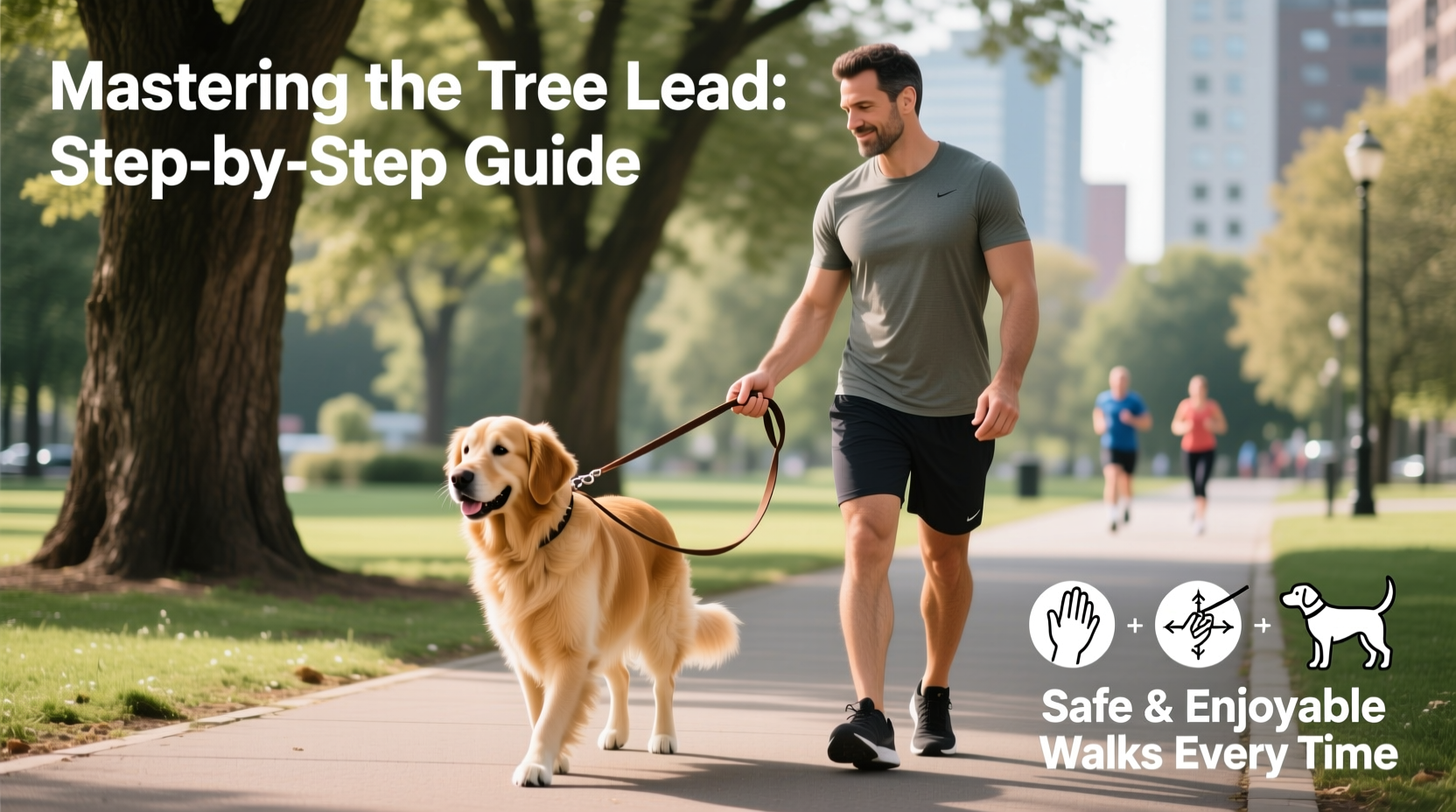
The tree lead features a single long strap that splits into two shorter leads near the handle, forming a “Y” shape. One end attaches to the dog’s harness at the chest (front clip), and the other connects to the back (rear clip), allowing dual-point control. Unlike standard leashes that pull from one fixed point, the tree lead distributes force evenly and gives handlers nuanced feedback based on where tension arises.
This configuration is particularly effective for dogs that pull, lunge, or react unpredictably. By engaging both front and rear attachment points, the handler can gently redirect the dog’s momentum without harsh corrections. It also encourages the dog to walk in a natural, balanced posture rather than twisting their neck.
Step-by-Step Guide to Using a Tree Lead Correctly
- Select the Right Harness: Use a well-fitted no-pull harness with both front and back attachment points. Avoid using a tree lead with a collar, as it can cause tracheal damage.
- Attach Both Ends Securely: Clip the longer side of the tree lead to the back ring of the harness, and the shorter side to the front ring. Ensure both clips are locked.
- Hold the Main Handle Properly: Grip the main loop near the split with one hand. Keep your elbow slightly bent and close to your body to maintain control.
- Start in a Low-Distraction Area: Begin training in a quiet yard or empty parking lot. Let your dog get used to the sensation of dual-point pressure.
- Use Directional Cues: If your dog pulls forward, apply gentle tension on the front lead to turn their shoulders inward. Release immediately when they respond.
- Maintain Consistent Tension: Avoid jerking. Instead, use steady, light pressure to communicate direction changes or stops.
- Practice Loose-Leash Walking: Reward your dog for walking beside you. Over time, they’ll learn that pulling doesn’t gain ground.
Consistency is key. It may take several sessions before your dog adjusts to the new dynamic. Patience and positive reinforcement will accelerate learning.
Common Mistakes and How to Avoid Them
- Using the wrong harness: A standard flat collar or poorly fitted harness defeats the purpose and risks injury.
- Holding both strands separately: This eliminates the balancing effect. Always hold the main handle unless redirecting.
- Over-correcting: Yanking or constant tension creates fear and resistance. Use minimal pressure and reward compliance.
- Skipping foundational training: Dogs unfamiliar with loose-leash walking need basic cues before advancing to a tree lead.
| Do’s | Don’ts |
|---|---|
| Use a properly fitted front-clip harness | Attach the tree lead to a neck collar |
| Keep slack minimal but not tight | Allow constant pulling without correction |
| Practice in low-distraction environments first | Introduce the lead during high-energy outings |
| Combine with verbal cues and treats | Rely solely on physical correction |
Real-World Example: Transforming a Reactive Walker
Meet Max, a three-year-old German Shepherd with a history of lunging at cyclists and barking at other dogs. His owner, Sarah, struggled with conventional leashes that either choked Max or gave him too much freedom. After consulting a certified trainer, she switched to a tree lead paired with a balance harness.
During the first week, Sarah practiced in her backyard, teaching Max to follow her movements using gentle turns and treats. When they moved to neighborhood walks, the front attachment allowed her to pivot Max away from triggers before he escalated. Within three weeks, Max’s reactivity decreased significantly. He began checking in with Sarah instead of charging ahead. The balanced tension of the tree lead gave her confidence, and Max learned that calm behavior led to continued forward motion.
Sarah credits the success not just to the equipment, but to consistent technique: “The tree lead didn’t fix Max overnight. But it gave me the tools to communicate clearly when he needed guidance.”
Expert Insight: What Trainers Say About Dual-Point Control
“Dual-point systems like the tree lead are game-changers for large or strong dogs. They allow handlers to influence direction without compromising the dog’s biomechanics. When combined with positive reinforcement, they build cooperation, not fear.” — Dr. Laura Simmons, CPDT-KA, Canine Behavior Specialist
Dr. Simmons emphasizes that equipment alone isn’t a solution. “The tree lead is a communication tool, not a quick fix. Handlers must understand timing, pressure release, and body positioning to use it effectively.”
Essential Tips for Long-Term Success
- Walk with purposeful posture—stand tall, avoid leaning back, and keep your shoulders relaxed.
- Use verbal markers like “this way” or “easy” in sync with directional shifts.
- End each walk on a positive note, even if it was challenging. Reward calm behavior at the door.
Frequently Asked Questions
Can I use a tree lead with a puppy?
Yes, but only if the puppy is already accustomed to a harness and basic leash manners. Introduce the tree lead gradually and ensure the fit is snug but not restrictive. Puppies benefit from early exposure to balanced walking mechanics, but avoid overuse during growth phases.
Is the tree lead suitable for small dogs?
Absolutely. Small breeds that pull or lunge—like Jack Russells or Pomeranians—can benefit from the controlled redirection a tree lead provides. Just ensure the hardware is lightweight and appropriately sized to avoid discomfort.
How do I clean and maintain my tree lead?
Most tree leads are made from nylon or biothane. Wipe down after muddy walks with a damp cloth. For deeper cleaning, hand wash with mild soap and air dry. Avoid machine washing, which can weaken stitching and hardware.
Final Checklist Before Your Next Walk
- ✅ Harness fits securely with both front and back clips accessible
- ✅ Tree lead strands are correctly attached (longer to back, shorter to front)
- ✅ Hardware is intact and clasps are secure
- ✅ You’re wearing supportive footwear and ready to engage
- ✅ Treats or rewards are on hand for positive reinforcement
Conclusion: Walk with Confidence and Connection
Mastering the tree lead isn’t about dominance—it’s about partnership. With the right setup and technique, you create a dialogue with your dog that fosters attention, responsiveness, and mutual respect. Whether you're managing a powerful breed or simply seeking more control on busy sidewalks, the tree lead offers a humane, effective solution. The difference isn’t just in how your dog walks, but in how you feel while walking together: calmer, stronger, and more connected.




 浙公网安备
33010002000092号
浙公网安备
33010002000092号 浙B2-20120091-4
Comments
No comments yet. Why don't you start the discussion?