
Cropped jackets have long been fashion favorites—offering structure, proportion, and a modern edge to any outfit. But when temperatures drop, their shorter length can leave you questioning both comfort and practicality. The solution? Strategic layering. With the right approach, a cropped jacket doesn’t mean sacrificing warmth for style. In fact, it can become the centerpiece of a winter wardrobe that’s as functional as it is fashionable.
Layering isn't just about piling on clothes; it's an art of balance—managing insulation, silhouette, and movement without bulk. Done well, layering under a cropped jacket keeps you warm while enhancing your look. This guide breaks down how to master this technique using smart fabric choices, thoughtful proportions, and real-world styling insights from fashion and textile experts.
Why Layering Matters for Cropped Jackets
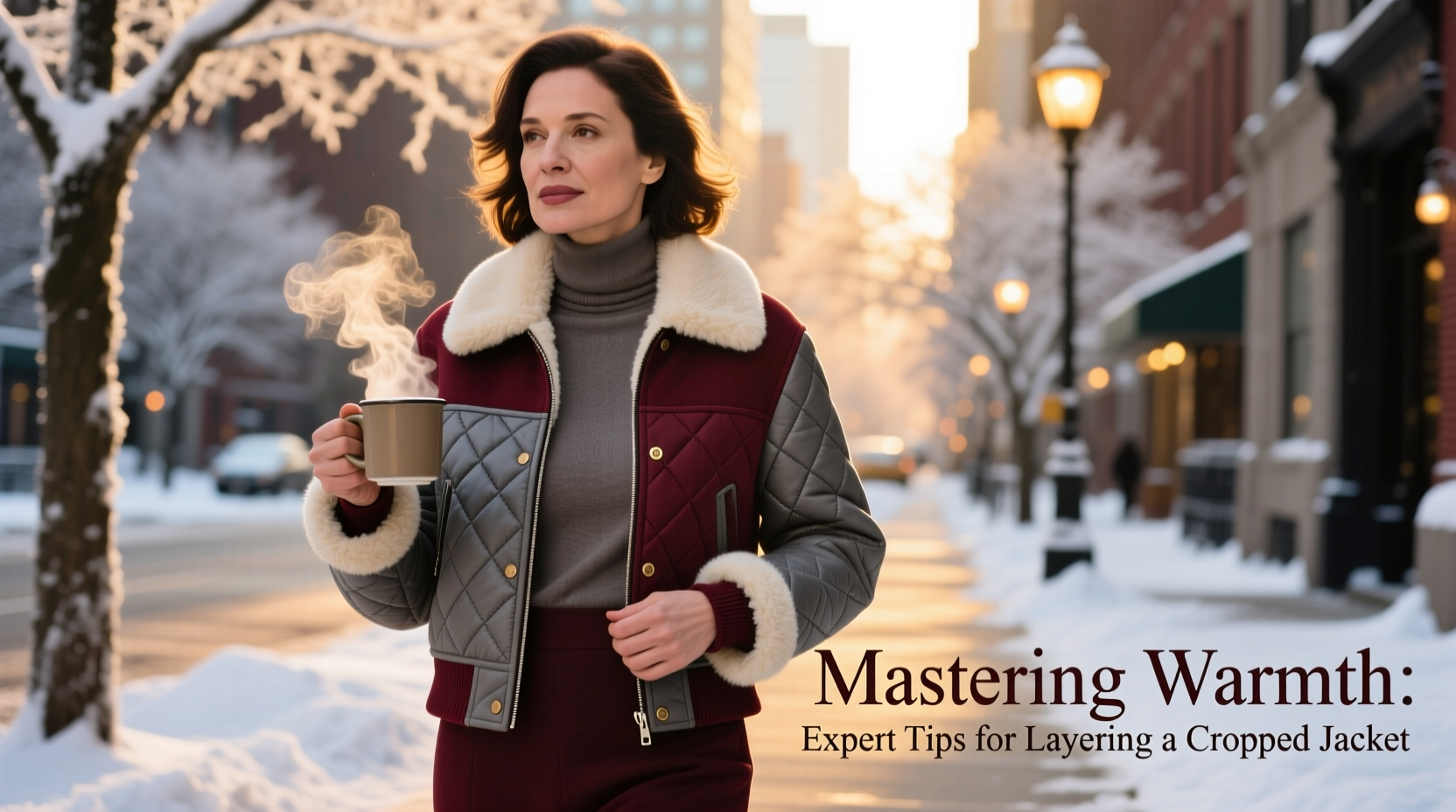
The cropped jacket’s charm lies in its ability to highlight the waist and create visual interest at the torso. However, this design often leaves the midriff exposed, especially when sitting or raising your arms. In colder climates, that gap becomes a vulnerability for heat loss. Unlike full-length coats, cropped styles rely heavily on what’s worn beneath them to provide thermal protection.
Effective layering compensates for this structural limitation. It traps body heat between garments, uses insulating materials strategically, and maintains a streamlined profile. The goal is not to hide the crop but to work with it—building upward from the base layers while ensuring the jacket still sits cleanly over the ensemble.
Step-by-Step Guide to Smart Winter Layering
Follow this five-step process to build a warm, stylish foundation under your cropped jacket:
- Begin with a performance base layer: Choose a snug-fitting top made from merino wool or thermal microfiber. These materials regulate temperature and move moisture away from the skin.
- Add a mid-layer for insulation: A lightweight turtleneck, thin sweater, or quilted vest adds warmth without overwhelming the frame. Stick to fabrics like cashmere, fine-gauge wool, or down-filled knits.
- Consider torso coverage: If your cropped jacket ends above the hip, pair it with high-waisted pants or skirts. This reduces the exposed area and creates a smoother transition between layers.
- Adjust sleeve length: Ensure inner layers don’t bunch at the wrists. Long sleeves should align neatly under the jacket’s cuffs, or opt for three-quarter lengths if needed.
- Finish with outer coordination: Make sure the cropped jacket complements—not competes with—the textures and colors beneath. A sleek leather jacket pairs well with chunky knits; a tailored wool crop works best over smooth layers.
Real Example: Urban Commuter Layering
Sophie, a graphic designer in Montreal, wears her black cropped wool-blend jacket nearly every winter day. To stay warm during her 15-minute walk through sub-zero winds, she follows a precise routine: a merino long-sleeve base, a ribbed cashmere turtleneck, and a slim-fit puffer vest. Over high-waisted corduroys, the combination keeps her core insulated while allowing freedom of movement. Once indoors, she removes the vest and lets the turtleneck and jacket carry the look—no overheating, no wrinkling, no style compromise.
“People assume cropped means cold, but it’s really about intelligent layering. The key is vertical insulation—keeping the core warm without adding horizontal bulk.” — Lena Petrov, Fashion Stylist & Cold Climate Consultant
Do’s and Don’ts: Layering Table
| Do | Don’t |
|---|---|
| Choose slim-fit mid-layers (e.g., fine-knit sweaters) | Wear bulky cable knits that puff out under the jacket |
| Use thermal underwear designed for activity | Double up on cotton T-shirts—they trap moisture |
| Pair with high-waisted bottoms for coverage | Wear low-rise jeans that expose skin when bending |
| Opt for seamless or flatlock seams to reduce bulk | Neglect collar height—avoid turtlenecks taller than the jacket neckline |
| Select jackets with slightly curved hems for better coverage | Assume all cropped jackets are equal—check back length and side rise |
Material Intelligence: What to Wear Under Your Jacket
Not all fabrics perform equally in cold weather. Understanding thermal efficiency helps you choose wisely:
- Merino Wool: Naturally temperature-regulating, odor-resistant, and soft against the skin. Ideal for base and mid-layers.
- Down or Synthetic Insulation: Excellent warmth-to-weight ratio. Use in vests or ultra-thin quilts for core heating without volume.
- Cashmere: Luxurious and warm, but less durable when layered tightly. Best reserved for mid-layers in dry conditions.
- Fleece-Lined Tops: Provide good insulation but can be bulky. Look for grid fleece or brushed microfiber versions for slimmer profiles.
- Technical Blends: Fabrics like Polartec Power Dry or Thermolite offer high performance in active settings.
Checklist: Perfect Cropped Jacket Layering Routine
Before stepping outside in winter, run through this checklist:
- ✅ Base layer is snug and moisture-wicking
- ✅ Mid-layer adds warmth without puffing under the jacket
- ✅ No visible bunching at sleeves or hemline
- ✅ High-waisted bottoms minimize exposed skin
- ✅ Jacket allows full range of motion when seated or walking
- ✅ Outer fabric is wind-resistant or water-repellent
- ✅ Color and texture of layers complement each other
Frequently Asked Questions
Can I wear a cropped jacket in extreme cold?
Yes, but only with disciplined layering. Combine a thermal base, insulating mid-layer (like a down vest), and windproof outer. Limit exposure time in sub-freezing temps, and always protect extremities—hands, head, and feet—with additional gear.
Won’t layering ruin the cropped jacket’s silhouette?
Only if done poorly. Focus on slim, structured layers rather than loose or thick ones. A well-fitted turtleneck or tailored long-sleeve shirt enhances the shape rather than hiding it. The clean lines of the jacket should still define the waist.
What if my cropped jacket rides up when I move?
This usually indicates a fit issue. Try sizing up one increment if the fabric pulls across the back or hips. Alternatively, switch to a slightly longer “half-crop” style that hits at the natural waist. Pairing with tighter mid-layers can also help anchor the jacket in place.
Conclusion: Style Without Sacrifice
Mastering warmth with a cropped jacket isn’t about defying winter—it’s about dressing intelligently for it. By embracing layering as a system rather than a last resort, you maintain both comfort and aesthetic control. Whether navigating city streets or attending a winter event, the right combination of materials, cuts, and coordination ensures you stay warm without compromising your look.
The most stylish people aren’t those who endure the cold—they’re the ones who outsmart it. With these expert-backed strategies, your cropped jacket can remain a winter staple, not a seasonal casualty.




 浙公网安备
33010002000092号
浙公网安备
33010002000092号 浙B2-20120091-4
Comments
No comments yet. Why don't you start the discussion?