
Whisky is more than a drink—it’s an experience shaped by time, craftsmanship, and attention to detail. Whether you're sipping a smoky Islay single malt or a smooth Kentucky bourbon, understanding what’s in your glass transforms casual consumption into appreciation. This guide breaks down the essentials: how to taste with intention, select bottles with confidence, and enjoy whisky in a way that honors its complexity.
The Foundations of Whisky Tasting
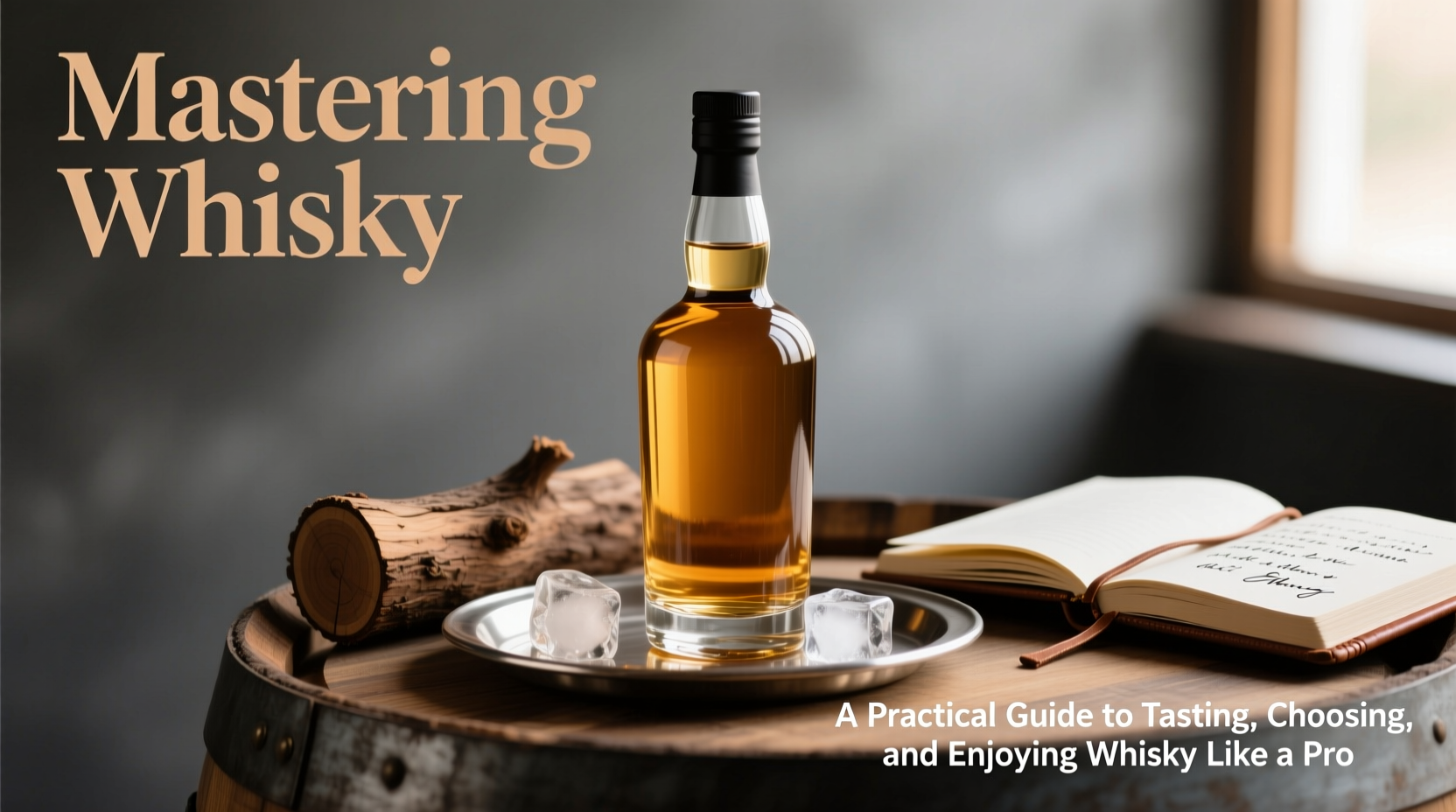
Tasting whisky well starts with slowing down. Professionals don’t rush; they observe, inhale, sip, and reflect. Begin with the right glass—a tulip-shaped nosing glass or a Glencairn glass concentrates aromas without letting them escape too quickly. Pour about 30ml, enough to swirl without spilling.
Follow these four stages:
- Look: Observe the color. While not always indicative of flavor, deeper amber hues often suggest longer aging or sherry cask influence.
- Nose: Bring the glass to your nose gently. Don’t plunge in—short sniffs first. Identify dominant notes: vanilla, smoke, citrus, honey, leather, or oak. Let the whisky breathe for a minute, then revisit.
- Sip: Take a small mouthful. Hold it across your tongue for 5–10 seconds. Notice texture (oily, light, viscous) and where flavors emerge—front, middle, or back of the palate.
- Finish: Swallow and assess the aftertaste. A long, evolving finish often signals quality. Does it linger with spice? Smoke? Sweetness?
Choosing the Right Whisky: Know Your Styles
Not all whiskies are created equal—and preference is deeply personal. Understanding major categories helps narrow choices based on flavor profiles rather than price alone.
| Style | Origin | Flavor Profile | Best For |
|---|---|---|---|
| Single Malt Scotch | Scotland | Peat smoke, dried fruit, oak, floral notes | Complexity seekers, traditionalists |
| Bourbon | USA (Kentucky) | Vanilla, caramel, baking spice, oak sweetness | Sweet-toothed beginners, cocktail lovers |
| Rye Whiskey | USA/Canada | Spicy, dry, peppery, herbal | Cocktail enthusiasts, bold palates |
| Irish Whiskey | Ireland | Light, smooth, fruity, approachable | Newcomers, easy sippers |
| Japanese Whisky | Japan | Delicate, balanced, often floral or smoky | Connoisseurs, minimalist palates |
When selecting a bottle, consider your current mood and setting. A campfire calls for an Islay peat bomb; a quiet evening might favor a sherried Highland malt. Don’t assume higher price equals better taste—many under-$60 bottles outperform triple-digit labels in blind tastings.
A Step-by-Step Guide to Building Your Whisky Palate
Developing a refined palate takes practice, not pedigree. Follow this six-week progression to sharpen your sensory memory and confidence.
- Week 1–2: Taste in Pairs
Compare two whiskies side by side—one bourbon, one rye; one unpeated and one peated Scotch. Note differences in aroma, mouthfeel, and finish. - Week 3: Explore Regions
Sample malts from Speyside, Islay, and the Highlands. Map flavor patterns: Islay tends smoky; Speyside leans sweet and fruity. - Week 4: Vary Cask Types
Try a bourbon-cask versus a sherry-cask expression of the same distillery. Notice how wood shapes flavor. - Week 5: Blind Tasting Practice
Cover labels and guess the style or origin based solely on taste. Record your impressions. - Week 6: Revisit Favorites
Retaste your initial favorites. Has your perception changed?
Real Example: From Confusion to Clarity
James, a software engineer in Chicago, bought a bottle of Ardbeg Uigeadail because “it looked cool.” His first sip was overwhelming—smoke, salt, heat. He nearly poured it out. But he decided to slow down: swirled the glass, added a drop of water, took small sips. On the third try, he noticed dark chocolate beneath the peat, a hint of orange peel. Over weeks, he paired it with dark chocolate and smoked almonds. What once seemed harsh became layered and rewarding. Today, he hosts monthly whisky nights for friends, guiding them through similar discoveries.
This shift didn’t come from memorizing facts—it came from repeated, mindful tasting. Like wine or coffee, whisky reveals itself gradually.
Expert Insight: What the Pros Know
“Most people judge whisky by intensity, not balance. The best ones aren’t the loudest—they’re the most harmonious.” — Dr. Kirsty McCormack, Whisky Sensory Analyst, Scotch Whisky Research Institute
“Don’t chase rarity. Chase repeatability. If you’d happily drink it again tomorrow, that’s the mark of a great whisky.” — Rajiv Patel, Master Blender, Compass Box
These insights underscore a key truth: expertise isn’t about exclusivity. It’s about consistency, curiosity, and respect for process.
Checklist: How to Enjoy Whisky Like a Pro
- Use a proper nosing glass
- Pour modest amounts (30–40ml)
- Observe color and viscosity before smelling
- Nose in short bursts, then deeper after a minute
- Sip slowly, letting the whisky coat your mouth
- Add water if needed—especially above 50% ABV
- Wait for the finish; note its length and evolution
- Take notes—even brief ones build memory
- Store bottles upright, away from sunlight and temperature swings
- Revisit old favorites periodically to track evolving preferences
Frequently Asked Questions
Is older whisky always better?
Not necessarily. Age indicates time in wood, not quality. Some young whiskies (even 3–5 years) are vibrant and well-balanced. Over-aged whiskies can become overly tannic or woody. Balance matters more than years.
Should I add ice?
It depends on the whisky and your goal. Ice numbs the palate and dilutes flavor quickly—fine for high-proof bourbons you want to chill and mellow. For complex malts, room temperature with a few drops of water preserves nuance.
How do I know if a whisky is ‘good’?
A good whisky has three qualities: balance (no single element dominates), depth (multiple layers unfold over time), and character (a distinct personality). If you find yourself wanting another sip immediately, it’s likely working.
Conclusion: Raise Your Glass with Confidence
Mastering whisky isn’t about memorizing distilleries or collecting rare bottles behind glass. It’s about engagement—developing your senses, asking questions, and savoring the journey. Every dram offers a story: of grain, water, fire, and time. With the tools in this guide, you’re equipped to listen.




 浙公网安备
33010002000092号
浙公网安备
33010002000092号 浙B2-20120091-4
Comments
No comments yet. Why don't you start the discussion?