
As temperatures drop and frost begins to trace the edges of city sidewalks, the challenge of staying warm without sacrificing style intensifies. The men’s retro cardigan coat—once a staple of mid-century academia and quiet British elegance—has reemerged as a cornerstone of modern winter wardrobes. But simply wearing one isn’t enough. True mastery lies in how you layer it.
Layering is not just about trapping heat; it’s an art form that balances texture, proportion, and personal expression. When done right, a retro cardigan coat can anchor a look that’s both functional and fashion-forward. Done poorly, it risks looking bulky, outdated, or mismatched. This guide breaks down the principles, techniques, and subtle details that elevate your winter ensembles from ordinary to exceptional.
The Anatomy of a Retro Cardigan Coat
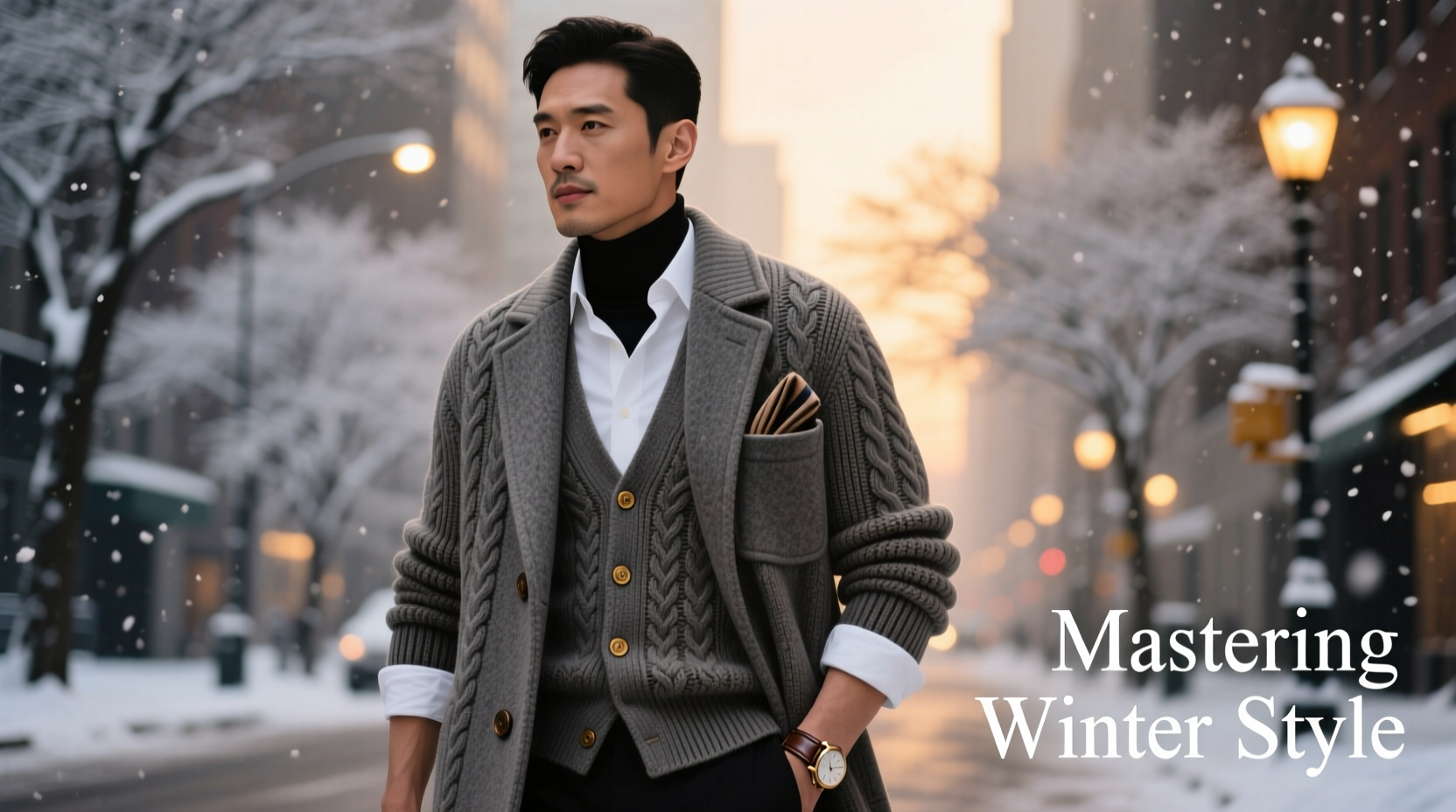
The retro cardigan coat stands apart from standard outerwear. Typically knee-length or slightly above, it features a button-front closure, often with leather or horn toggles, deep pockets, and rich wool or wool-blend construction. Common design elements include shawl collars, cable knits, and earthy color palettes like olive green, charcoal, camel, or heather grey.
Unlike puffer jackets or trench coats, the retro cardigan offers a softer silhouette—structured yet relaxed. Its vintage roots mean it pairs naturally with classic menswear staples but also adapts well to contemporary streetwear influences when layered thoughtfully.
“The retro cardigan coat is a bridge between eras. It carries the dignity of tradition but allows room for individuality through layering.” — Marcus Reed, Menswear Archivist & Style Consultant
Core Principles of Effective Layering
Successful layering follows three non-negotiable rules: temperature regulation, visual balance, and mobility. Each layer should serve a purpose—thermal protection, aesthetic contrast, or structural support—without compromising comfort or movement.
Start with the innermost layer (base), move to the middle (insulating), then finish with the outer (protective). With a retro cardigan coat, the outer layer is already defined. Your focus shifts to what goes beneath it.
Step-by-Step Guide: Building a Balanced Winter Look
- Base Layer: Begin with a fine-gauge merino wool turtleneck or a fitted long-sleeve cotton tee. Merino regulates temperature and resists odor, making it ideal under knitwear.
- Middle Layer: Add a tailored flannel shirt, lightweight sweater, or unstructured blazer. Ensure sleeves don’t bunch at the wrist—this disrupts the clean line of the cardigan.
- Outer Layer: Drape the retro cardigan coat over the ensemble. Leave it unbuttoned for a relaxed vibe or fasten the lower buttons only to maintain shape without constriction.
- Bottom Half: Pair with flat-front wool trousers, corduroys, or dark selvedge denim. Avoid overly baggy cuts that compete with the coat’s drape.
- Footwear: Finish with Chelsea boots, suede chukkas, or minimalist leather oxfords. The shoe tone should echo one of the upper layers for cohesion.
Do’s and Don’ts: Layering Pitfalls to Avoid
| Do | Avoid |
|---|---|
| Use tonal layering—e.g., navy turtleneck under a charcoal cardigan | Mixing too many bold patterns (plaid shirt + houndstooth vest) |
| Roll or fold sleeves neatly to show intentional layering | Letting shirt cuffs disappear under sweater sleeves |
| Choose slim-fit pieces that preserve the coat’s natural drape | Wearing thick hoodies or puffers underneath |
| Add texture contrast—e.g., smooth cotton under nubby wool | Using shiny synthetic fabrics that clash with matte knits |
| Adjust button strategy based on movement and warmth needs | Over-buttoning, which distorts the silhouette |
Real Example: The Urban Academic Look
James, a 34-year-old editor in Edinburgh, wanted to transition his summer linen looks into winter without losing his signature refined-casual aesthetic. He owns a vintage-inspired oatmeal cable-knit cardigan coat with a shawl collar.
His solution? A merino turtleneck in slate grey, layered under a muted olive flannel shirt left open at the neck. He paired this with charcoal wool trousers and burgundy brogues. By leaving the top two buttons of the coat undone, he maintained airflow while highlighting the layered textures beneath.
The result was a look that felt intentional, warm, and subtly intellectual—perfect for café meetings or evening walks. Passersby frequently complimented his “effortless” style, unaware of the deliberate choices behind it.
Expert Tips for Confidence in Execution
- Fit is king: Have your cardigan coat tailored if needed. Slight tapering at the waist enhances structure without sacrificing comfort.
- Color harmony: Stick to a palette of no more than three dominant tones. Use accessories (scarves, pocket squares) to introduce accent colors.
- Texture storytelling: Combine materials that complement each other—corduroy pants with a nubby knit, or silk pocket squares against wool.
- Weather adaptation: In wet climates, apply a lanolin-based wool protector spray to resist moisture without altering breathability.
- Confidence cue: Stand straight and keep hands out of pockets when wearing open layers—it projects ease and control.
Frequently Asked Questions
Can I wear a retro cardigan coat in the rain?
While traditional wool has natural water-resistant properties, prolonged exposure to rain can cause shrinkage and weight gain. For wet conditions, opt for a treated wool blend or carry a compact umbrella. Never machine-wash a soaked cardigan coat—air dry flat and reshape gently.
Is it appropriate for the office?
Yes, especially in creative or hybrid work environments. Pair it with a crisp dress shirt, tie (optional), and tailored trousers. Choose neutral tones like charcoal or navy to maintain professionalism. In conservative settings, layer it over a suit jacket rather than replacing it.
How do I store it between seasons?
Clean it before storage using a gentle wool wash. Fold it loosely and place in a breathable cotton garment bag. Store in a cool, dry closet away from moths—add cedar blocks or lavender sachets for natural protection. Avoid hanging, as it can stretch the shoulders.
Final Checklist: Your Layering Readiness
- Cardigan coat is clean, properly stored, and fits well at shoulders and chest
- Base layer is thin, moisture-wicking, and non-bulky
- Middle layer adds warmth without puffing under arms
- Sleeve lengths are staggered and visible where intended
- Bottom half complements the coat’s length and formality
- Shoes complete the color story and suit the occasion
- You’ve tested movement and comfort in real-world conditions
Conclusion: Own Your Winter Presence
Mastering winter style isn’t about chasing trends—it’s about cultivating presence. The retro cardigan coat, when layered with intention, becomes more than outerwear; it becomes a statement of composure, heritage, and quiet confidence. Whether navigating city streets or attending a fireside gathering, your ability to balance warmth and aesthetics sets you apart.




 浙公网安备
33010002000092号
浙公网安备
33010002000092号 浙B2-20120091-4
Comments
No comments yet. Why don't you start the discussion?