
Winter demands more than just protection from the cold—it calls for intentionality in personal style. A high-quality jacket is not merely functional; it’s a cornerstone of refined dressing during the colder months. When chosen and worn with care, it elevates your entire look while ensuring comfort in freezing temperatures. The intersection of warmth and elegance lies in material, fit, layering, and context. This guide explores how to select, style, and maintain a premium jacket so it serves both purpose and presence.
The Foundation: Choosing the Right Jacket
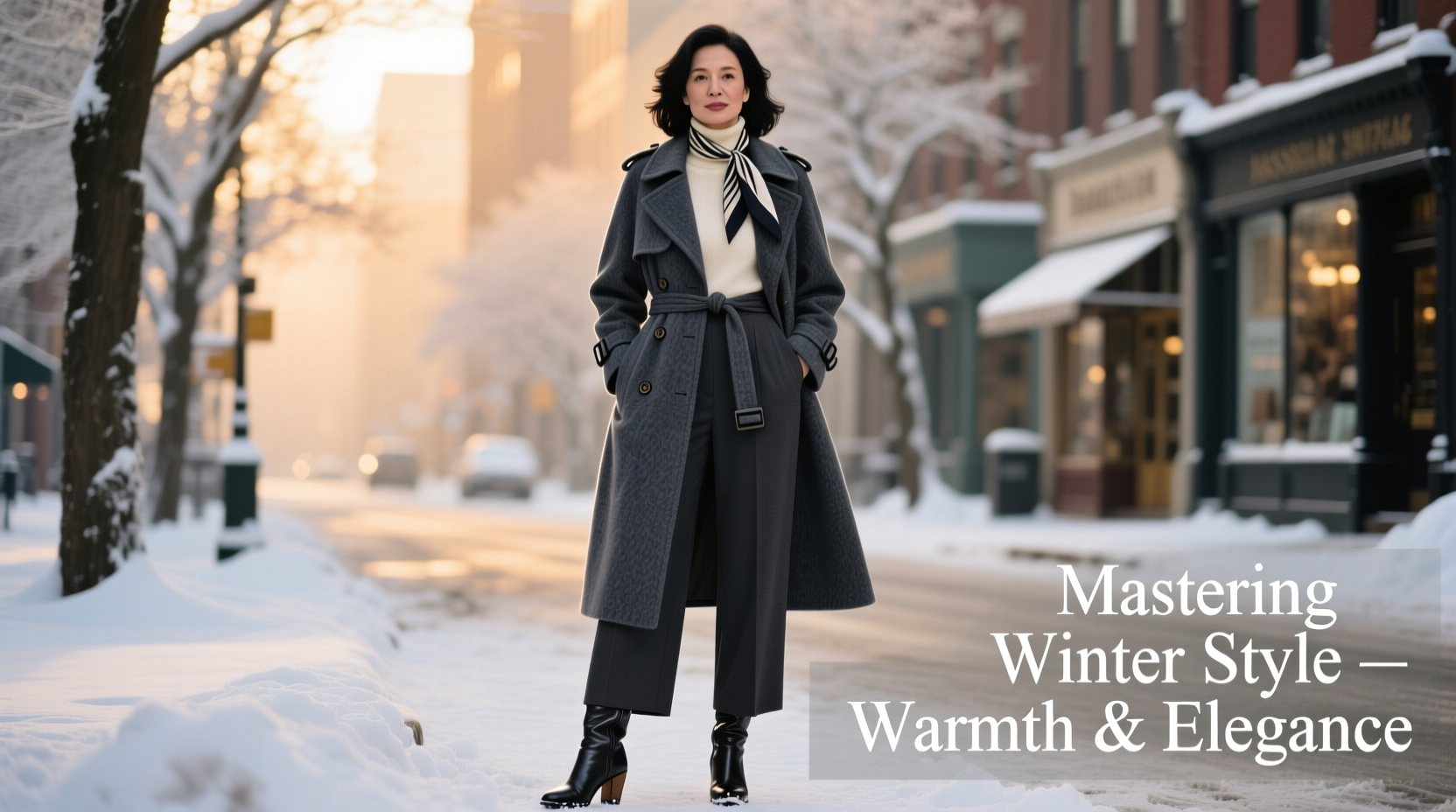
Not all winter jackets are created equal. Elegance begins with selection. A well-chosen jacket should reflect your lifestyle, climate, and aesthetic sensibility. Materials like wool, cashmere blends, duck down, and technical fabrics such as Gore-Tex offer different advantages depending on conditions and intended use.
For urban environments where style matters as much as function, consider a tailored wool overcoat or a minimalist puffer with a matte shell. In harsher climates, prioritize insulated parkas with windproof exteriors, but ensure they’re cut with clean lines to avoid bulkiness. Fit is critical—your jacket should allow room for layering without appearing oversized.
Key Features of a High-Quality Winter Jacket
| Feature | Why It Matters |
|---|---|
| Durable Outer Fabric | Resists water, wind, and abrasion—essential for longevity and performance. |
| Natural or Advanced Insulation | Down offers superior warmth-to-weight ratio; synthetic insulation performs better when wet. |
| Reinforced Seams & Taped Lining | Prevents cold air infiltration and moisture penetration. |
| Thoughtful Details | Storm flaps, adjustable hoods, and interior pockets enhance utility without sacrificing style. |
| Premium Craftsmanship | Symmetrical stitching, even lining, and sturdy zippers signal long-term durability. |
Layering with Intention
Elegance in winter dressing hinges on intelligent layering. A high-quality jacket should act as the final, polished layer—not a mask for disorganized under-layers. Start with a moisture-wicking base (merino wool or technical fabric), add a mid-layer like a fine-gauge sweater or lightweight fleece, and finish with your outer jacket.
Avoid bulky knits beneath structured coats—they distort the silhouette. Instead, opt for slim turtlenecks or tailored flannel shirts that preserve the jacket’s drape. For formal settings, a wool blazer under a topcoat maintains sharpness while adding insulation.
“Luxury outerwear should feel effortless. If you're straining to zip up or notice puckering at the buttons, the layers beneath are working against the design.” — Adrian Moss, Menswear Designer at Atelier North
Step-by-Step Guide: Building a Cold-Weather Ensemble
- Start with a base layer: Choose merino wool or thermal fabric that regulates temperature and wicks moisture.
- Add a mid-layer: Select a fitted cardigan, shawl-collar sweater, or quilted vest for added warmth without volume.
- Choose compatible bottoms: Wool trousers or dark denim pair well with most jackets. Avoid overly baggy cuts that disrupt proportion.
- Footwear matters: Leather boots or chukkas anchor the look and provide traction in snow or ice.
- Top it off: Slip on your jacket last, ensuring shoulders sit naturally and sleeves end just above the wrist bone.
Styling for Different Occasions
A single high-quality jacket can serve multiple roles when styled appropriately. The key is balancing formality and function based on context.
- Professional Settings: Pair a charcoal wool overcoat with a navy suit and leather oxfords. Keep colors muted and accessories minimal—a silk scarf adds subtle texture.
- Casual Outings: A sleek down-filled anorak over a crewneck sweater and selvedge jeans creates a modern, understated look. Add suede boots for warmth and refinement.
- Weekend Travel: Opt for a water-resistant field jacket with ample pockets. Layer over a hoodie and cargo pants for practicality, but stick to a cohesive color palette (e.g., olive, gray, black) to retain polish.
Mini Case Study: From Commute to Cocktail Hour
James, a creative director in Montreal, faces sub-zero mornings and evening networking events. His solution? A double-breasted camel-hair topcoat lined with silk-blend insulation. He wears it over a charcoal roll-neck sweater and tailored wool trousers during the day. After work, he removes his scarf, adjusts the lapels, and walks into a downtown lounge looking composed and warm. The coat transitions seamlessly because its cut is formal enough for evening wear yet warm enough for icy sidewalks.
This versatility underscores the value of investing in one exceptional piece rather than several mediocre ones. James spends less time changing clothes and more time presenting himself confidently.
Maintenance That Preserves Value
No matter how elegant or advanced the design, neglect will degrade even the finest jacket. Proper care extends lifespan and keeps the garment looking pristine season after season.
Spot-clean stains immediately with a damp cloth. Never machine-wash a wool or down coat unless explicitly labeled safe. Instead, use professional cleaning services familiar with luxury outerwear. Store your jacket on a wide wooden hanger in a breathable cotton garment bag—never plastic, which traps moisture and encourages mildew.
Before storing for summer, ensure the jacket is completely dry. Mothballs or cedar blocks prevent insect damage, especially for wool and cashmere blends.
Checklist: Winter Jacket Care Routine
- Brush off surface dirt weekly with a soft clothing brush
- Inspect zippers and buttons monthly for signs of wear
- Deep clean once per season (or after heavy use)
- Store in a cool, dry place away from direct sunlight
- Use padded hangers to maintain shoulder shape
- Avoid prolonged exposure to rain or snow without reproofing (for treated fabrics)
Frequently Asked Questions
Can I wear a leather jacket in winter?
Yes, but only if it's lined with shearling or thermal fabric. Unlined leather offers little insulation and stiffens in extreme cold. Modern treated leathers are more weather-resistant, but always layer underneath for warmth.
How do I know if a jacket is truly high-quality?
Look inside. A quality jacket has fully lined construction, reinforced stress points (like elbows and pockets), consistent stitching, and premium materials. The weight should feel substantial but not cumbersome. Price isn’t always indicative—focus on craftsmanship details.
Is down fill power important?
Crucially so. Fill power measures the loft and insulating ability of down. Jackets rated 600–700 fill offer good warmth for city use. For extreme cold, choose 800+ fill power, which provides maximum warmth with minimal weight.
Conclusion: Elevate Your Winter Wardrobe
Mastering winter style isn’t about enduring the cold—it’s about commanding it with confidence and grace. A high-quality jacket is both armor and expression, shielding you from the elements while communicating taste and intention. By selecting wisely, layering thoughtfully, styling intentionally, and maintaining diligently, you transform necessity into opportunity.




 浙公网安备
33010002000092号
浙公网安备
33010002000092号 浙B2-20120091-4
Comments
No comments yet. Why don't you start the discussion?