
Velvet is more than a fabric—it’s a statement. Its rich texture, subtle sheen, and tactile depth elevate any outfit from ordinary to refined. In winter, when layering becomes essential for warmth, the velvet shirt offers a rare advantage: it combines seasonal functionality with undeniable elegance. However, layering velvet requires care. Too much bulk disrupts its drape; too little insulation leaves you cold. The key lies in strategic layering—balancing thermal efficiency with sartorial grace.
When done right, a layered velvet shirt can transition seamlessly from a daytime meeting to an evening gathering, all while keeping you warm and looking polished. This guide breaks down the principles of effective layering with velvet shirts, offering actionable advice, real-world examples, and expert insights to help you master winter style without sacrificing comfort or class.
Why Velvet Works in Winter Layering
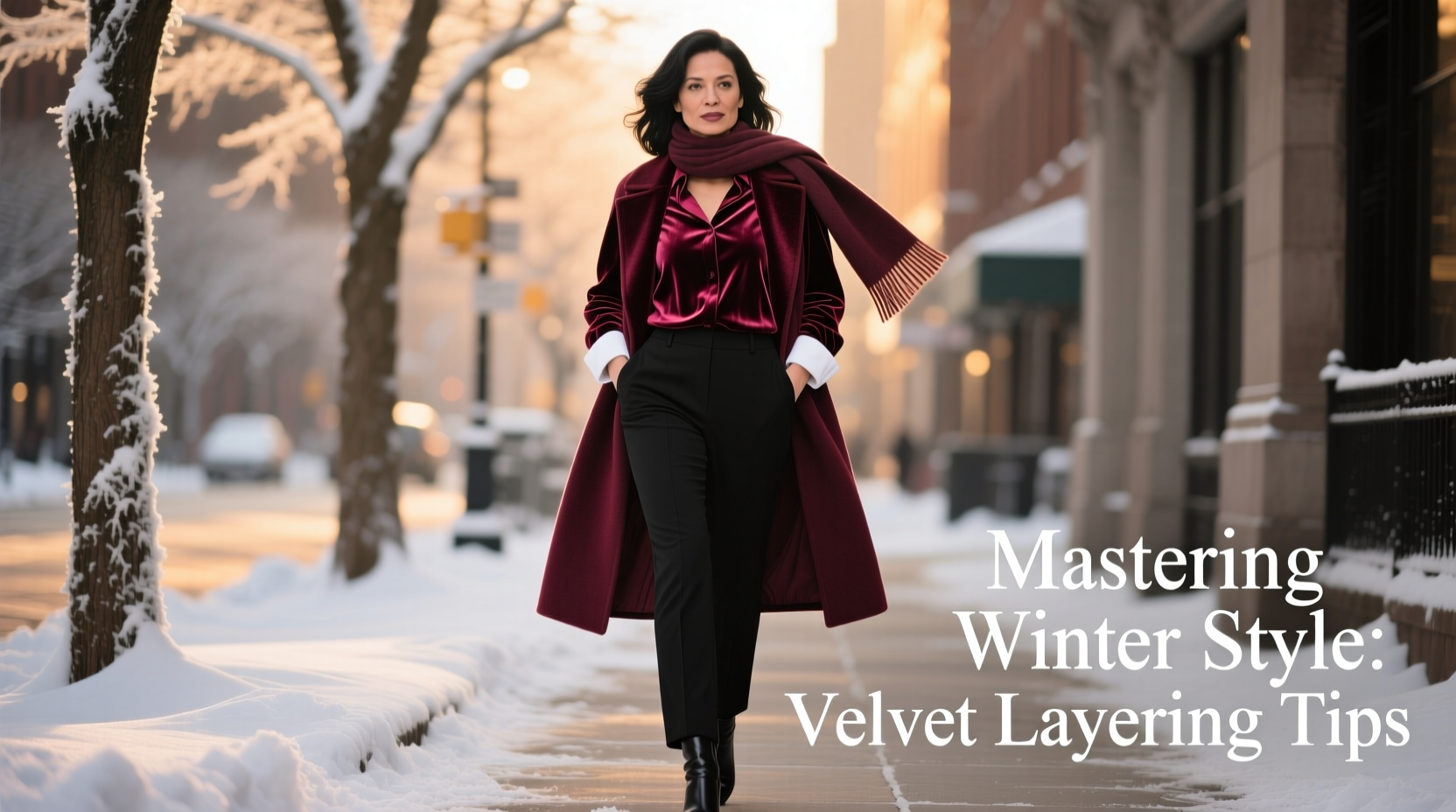
Velvet is inherently suited to colder months. Made from cotton, silk, or synthetic blends, its dense pile traps heat while remaining breathable. Unlike stiff wools or heavy knits, velvet drapes softly against the body, making it ideal as a mid-layer. Its visual richness adds depth to minimalist wardrobes, turning basic combinations into sophisticated ensembles.
The challenge lies in preserving velvet’s delicate appearance. Crush marks, moisture damage, and friction from outer layers can dull its luster. Therefore, successful layering isn’t just about adding clothes—it’s about curating a system where each piece supports the next without compromising the integrity of the fabric.
The Art of Strategic Layering: A Step-by-Step Guide
Layering a velvet shirt effectively follows a three-tier approach: base, mid, and outer. Each layer serves a distinct purpose, and understanding their roles ensures both comfort and aesthetic cohesion.
- Base Layer (Moisture Management): Begin with a thin, moisture-wicking fabric like merino wool or thermal cotton. This layer sits directly on the skin, regulating temperature and preventing sweat buildup that could damage velvet over time.
- Mid Layer (Insulation & Style): Introduce the velvet shirt here. Buttoned fully, it provides moderate warmth; partially open, it acts as a textured accent over a turtleneck or fine knit. Ensure the fit is slim but not tight—velvet should move with the body, not restrict it.
- Outer Layer (Protection & Structure): Top with a tailored wool coat, trench, or quilted jacket. Choose outerwear with clean lines to avoid overwhelming the softness of the velvet. A double-breasted overcoat in charcoal or navy complements the richness without competing.
Between layers, maintain breathability. Avoid rubberized or non-porous materials that trap heat and cause condensation. Instead, opt for natural fibers or technical fabrics designed for climate control.
Do’s and Don’ts: Layering Velvet Shirts the Right Way
| Do’s | Don’ts |
|---|---|
| Pair with fine-gauge merino or cashmere sweaters underneath | Layer thick cable-knit sweaters directly over velvet (causes pilling) |
| Use a shell jacket or windbreaker as a lightweight outer layer | Wear vinyl or plastic-coated coats (creates friction and static) |
| Choose slim-fit blazers or vests for indoor layering | Over-tuck or bunch the shirt, which distorts the pile |
| Store folded on a shelf, never hung long-term (prevents stretching) | Machine wash or expose to direct heat sources |
| Steam gently before wearing to revive texture | Wear in prolonged rain or snow (velvet absorbs moisture easily) |
Real-World Example: A Business Professional’s Winter Look
Consider Daniel, a financial advisor based in Chicago. His workweek demands professionalism and warmth during commutes. He wears a deep burgundy velvet shirt as his core piece. Underneath, he layers a charcoal-gray merino undershirt for warmth and moisture control. Over this, he adds a black wool-blend turtleneck—thin enough to preserve the shirt’s silhouette but insulating enough for sub-zero walks. For outerwear, he chooses a structured camel overcoat with a storm flap, protecting the velvet from wind and light snow.
Indoors, he removes the coat and keeps the turtleneck visible beneath the open collar of the velvet shirt—a look that reads intentional, not improvised. The combination maintains dignity in boardrooms while ensuring comfort in transit. By avoiding bulky layers and prioritizing fabric compatibility, Daniel exemplifies how velvet can be both functional and fashionable in harsh climates.
“Velvet shouldn’t be reserved for special occasions. When layered thoughtfully, it becomes one of the most versatile pieces in a winter wardrobe.” — Lena Moretti, Menswear Stylist & Textile Consultant
Checklist: Building Your Ideal Velvet Layering System
- ☐ Select a velvet shirt in a winter-appropriate color (navy, wine, forest green, or black)
- ☐ Invest in a high-quality base layer made of merino wool or thermal microfiber
- ☐ Choose a mid-weight sweater or turtleneck that fits smoothly under jackets
- ☐ Pair with a tailored overcoat or peacoat featuring a smooth interior lining
- ☐ Use a leather or suede belt to anchor trousers without wrinkling the shirt
- ☐ Keep a portable steamer or travel-sized wrinkle releaser for quick refreshes
- ☐ Store the shirt folded in a dry drawer, away from humidity and sunlight
Frequently Asked Questions
Can I wear a velvet shirt in rainy weather?
Velvet is highly absorbent and prone to water stains. While brief exposure is manageable, prolonged contact with moisture can cause discoloration and warping of the pile. If caught in the rain, blot gently with a dry cloth and allow the shirt to air-dry flat, away from heaters. For wet climates, consider water-resistant outer layers with hoods to shield the shirt entirely.
Is it appropriate to layer a velvet shirt under a suit jacket?
Yes, but only if the suit is slightly oversized or constructed with generous armholes. Traditional tailored suits may restrict movement and create pressure points that crush the velvet. Opt for unstructured blazers or sport coats in wool or tweed, which offer flexibility and complement the shirt’s texture without flattening it.
How do I clean a velvet shirt after winter use?
Most velvet shirts require professional dry cleaning. Check the care label first. If hand-cleaning at home, use cold water and a mild detergent, gently pressing (not rubbing) soiled areas. Never wring or twist. Lay flat to dry and steam afterward to restore the surface. Avoid spot-cleaning with alcohol-based solutions, which can strip color.
Final Thoughts: Elevate Your Winter Wardrobe with Confidence
Mastering winter style isn't about accumulating the heaviest garments—it's about intelligent layering that balances warmth, mobility, and aesthetics. The velvet shirt, often misunderstood as purely decorative, proves its worth when integrated into a thoughtful system. From its insulating pile to its luxurious finish, it bridges the gap between function and fashion.
By respecting its material needs and pairing it with compatible layers, you transform the velvet shirt from a seasonal accent into a cornerstone of cold-weather dressing. Whether navigating city streets or attending evening events, this approach ensures you remain warm, composed, and effortlessly elegant.




 浙公网安备
33010002000092号
浙公网安备
33010002000092号 浙B2-20120091-4
Comments
No comments yet. Why don't you start the discussion?