
Completing a detailed building block pub model is an achievement in precision, patience, and creativity. But the journey doesn’t end at the final brick. How you display your model transforms it from a project into a centerpiece—a conversation starter that reflects craftsmanship and personal investment. Whether your model replicates a historic British tavern or a whimsical fantasy inn, proper presentation elevates its impact. This guide walks through the essential steps to professionally showcase your completed build, ensuring durability, visual appeal, and long-term enjoyment.
Step 1: Final Inspection and Structural Reinforcement
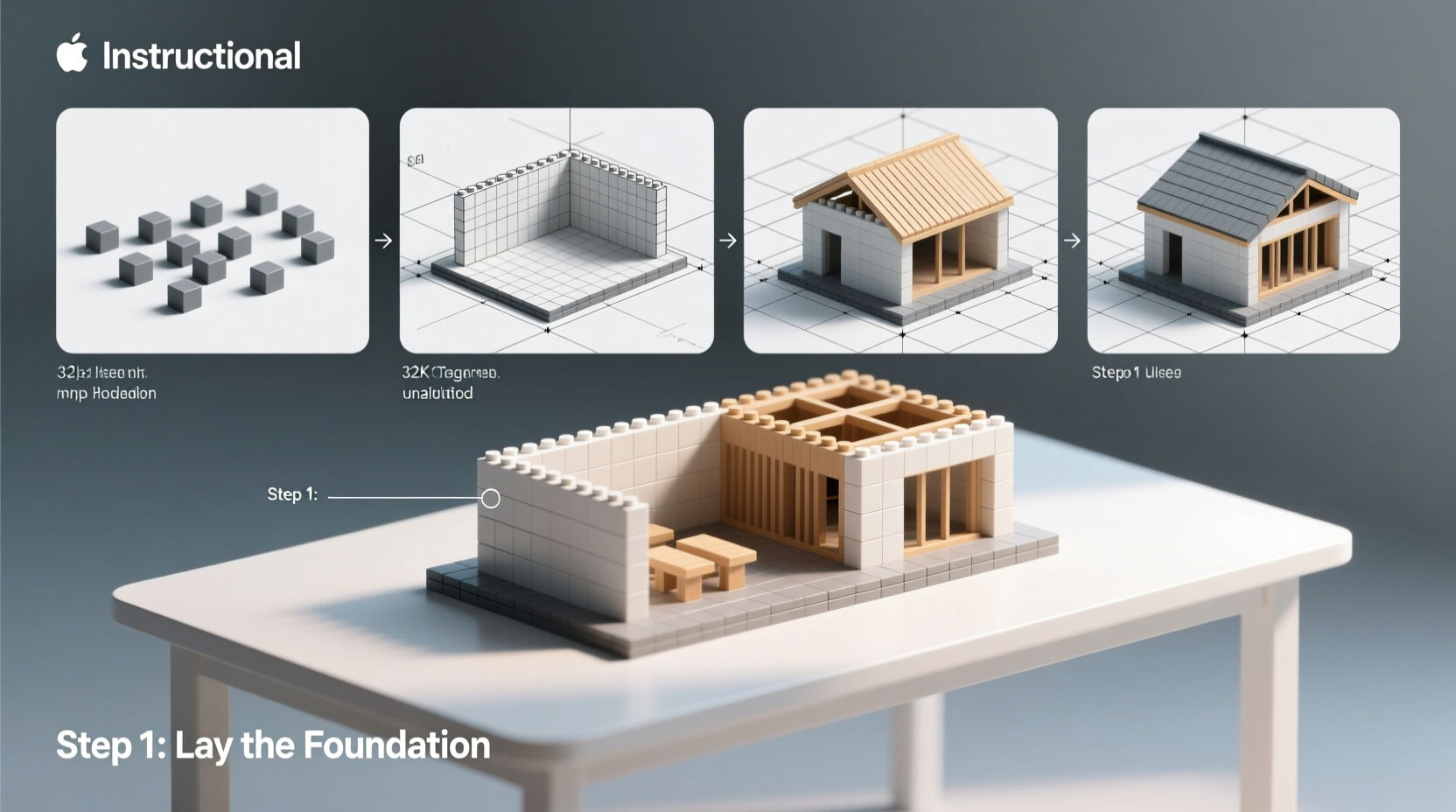
Before display, conduct a thorough inspection of your pub model. Look for loose connections, misaligned panels, or fragile overhangs—common weak points in intricate builds. Even minor instability can worsen over time due to vibrations or accidental bumps.
Use clear plastic cement or LEGO-compatible adhesive sparingly on internal joints. Focus on load-bearing columns, stair supports, and roof connections. Avoid gluing visible surfaces or decorative elements, as this limits future disassembly or modifications.
Step 2: Cleaning and Surface Preparation
Dust, fingerprints, and residual oils can dull the finish of your model. Clean each surface carefully using a soft microfiber cloth and compressed air to remove debris from crevices like window frames, doorways, and rooftop details.
For stubborn smudges, lightly dampen a cotton swab with distilled water—never alcohol or household cleaners, which may damage printed stickers or degrade plastic over time. Allow the model to dry completely in a dust-free area for at least two hours before handling again.
Do’s and Don’ts of Model Cleaning
| Action | Recommended? | Reason |
|---|---|---|
| Use compressed air | Yes | Safely removes dust without contact |
| Wipe with dry microfiber | Yes | Prevents static buildup |
| Soak in soapy water | No | Risks loosening glued joints |
| Use alcohol wipes | No | Can cloud or crack ABS plastic |
| Clean under soft lighting | Yes | Helps spot hidden smudges |
Step 3: Choosing the Right Display Environment
The location of your display determines both visibility and preservation. Direct sunlight causes plastic discoloration—especially white and red bricks—over months of exposure. High humidity can promote condensation inside enclosed cases, while foot traffic increases vibration risk.
Ideal spots include interior shelves away from windows, climate-controlled rooms, or glass display cabinets. Maintain a stable temperature between 18–24°C (65–75°F) and relative humidity below 55%. Avoid placing near radiators, vents, or exterior doors.
“Display conditions matter as much as build quality. A well-lit, stable environment preserves detail and prevents warping.” — Daniel Reeves, Architectural Model Curator at the National Design Archive
Step 4: Selecting and Installing a Display Case
A display case protects against dust, curious hands, and accidental knocks. Choose a clear acrylic or glass case with a hinged or removable top for easy access during maintenance. For larger pub models, consider custom-cut cases from specialty retailers or 3D-printed enclosures with ventilation slits.
Ensure the base of the case is slightly larger than the model footprint to allow space for signage or themed accessories. If using adhesive pads to secure the model inside, opt for museum-grade putty—repositionable and residue-free.
Mini Case Study: The Village Inn Replica
Tomás Finch spent six months assembling a 2,000-piece recreation of a 19th-century Cotswold pub. After completion, he displayed it on a bookshelf near a sunlit window. Within four months, the cream-colored bricks began yellowing, and a passing guest knocked it off the shelf during a gathering. He rebuilt the model, this time adding internal glue reinforcement, cleaning thoroughly, and installing it in a UV-protected acrylic case mounted on a wall unit. Two years later, the model remains pristine and has become a focal point in his home office.
Step 5: Enhancing Visual Appeal with Lighting and Context
Strategic lighting brings depth and atmosphere to your pub model. Warm-white LED strips placed beneath eaves or behind bar windows simulate interior glow, mimicking lanterns or fireplace light. Battery-powered puck lights or fiber-optic strands offer flexible, low-heat options that won’t degrade plastic.
Add context with miniature accessories: tiny barrels, streetlamps, or figurines seated at outdoor tables. These details ground the model in a narrative, suggesting activity and life. However, avoid overcrowding—too many props distract from architectural details.
Lighting Setup Comparison
| Type | Pros | Cons | Best For |
|---|---|---|---|
| LED Strip Lights | Flexible, low heat, customizable length | Requires power source | Under-eave or counter lighting |
| Battery Puck Lights | Easy to place, portable | Batteries need replacing | Interior room illumination |
| Fiber Optics | Precise pinpoint lighting, cool operation | Complex setup | Chandeliers or ceiling fixtures |
| Plug-in Spotlights (external) | No modification needed | May cast shadows | Wall-mounted displays |
Essential Display Checklist
- Inspect all structural joints for stability
- Reinforce weak areas with compatible adhesive
- Clean surfaces with microfiber and compressed air
- Select a location away from direct sunlight and moisture
- Install in a ventilated, transparent display case
- Add warm-toned LED lighting for ambiance
- Incorporate subtle accessories to enhance storytelling
- Label the base with build date, name, and piece count (optional)
- Establish a quarterly maintenance routine
Frequently Asked Questions
Can I disassemble and reassemble my model after gluing?
If you used adhesive only on internal structural joints, partial disassembly may still be possible without damaging visible sections. However, fully glued models are best treated as permanent displays. Always label glued components if planning future transport.
How do I prevent dust buildup inside the case?
Seal gaps around the case lid with thin foam tape and clean the interior every three months using a microfiber cloth. Consider adding a silica gel packet (hidden under the baseplate) to absorb ambient moisture in humid climates.
Is it worth investing in a custom display case?
For large or sentimental builds, yes. Custom cases ensure perfect fit, enhanced protection, and professional appearance. They also increase perceived value, especially if you plan to exhibit the model publicly or pass it down as a keepsake.
Conclusion: Turn Craftsmanship Into Legacy
Your completed building block pub model is more than a toy—it’s a testament to time, focus, and creative vision. By following these steps, you preserve its condition and amplify its presence in your space. From structural checks to ambient lighting, each decision contributes to a lasting impression. Treat your model not as a finished project but as a living piece of personal architecture.




 浙公网安备
33010002000092号
浙公网安备
33010002000092号 浙B2-20120091-4
Comments
No comments yet. Why don't you start the discussion?