
Diffuser necklaces have become a favorite among wellness enthusiasts for their elegant design and practical function. These stylish accessories allow you to carry your favorite essential oils throughout the day, offering subtle aromatherapy benefits wherever you go. But to get the most out of your diffuser necklace, it’s essential to know how to open, close, and maintain it properly. A poorly maintained pendant can leak, degrade, or lose its effectiveness—issues that are easily avoidable with the right knowledge.
Whether you're new to aromatherapy jewelry or have had a necklace for months, understanding the mechanics and care routines will enhance both safety and performance. This guide breaks down everything you need to know to use your diffuser necklace confidently and correctly.
How Diffuser Necklaces Work
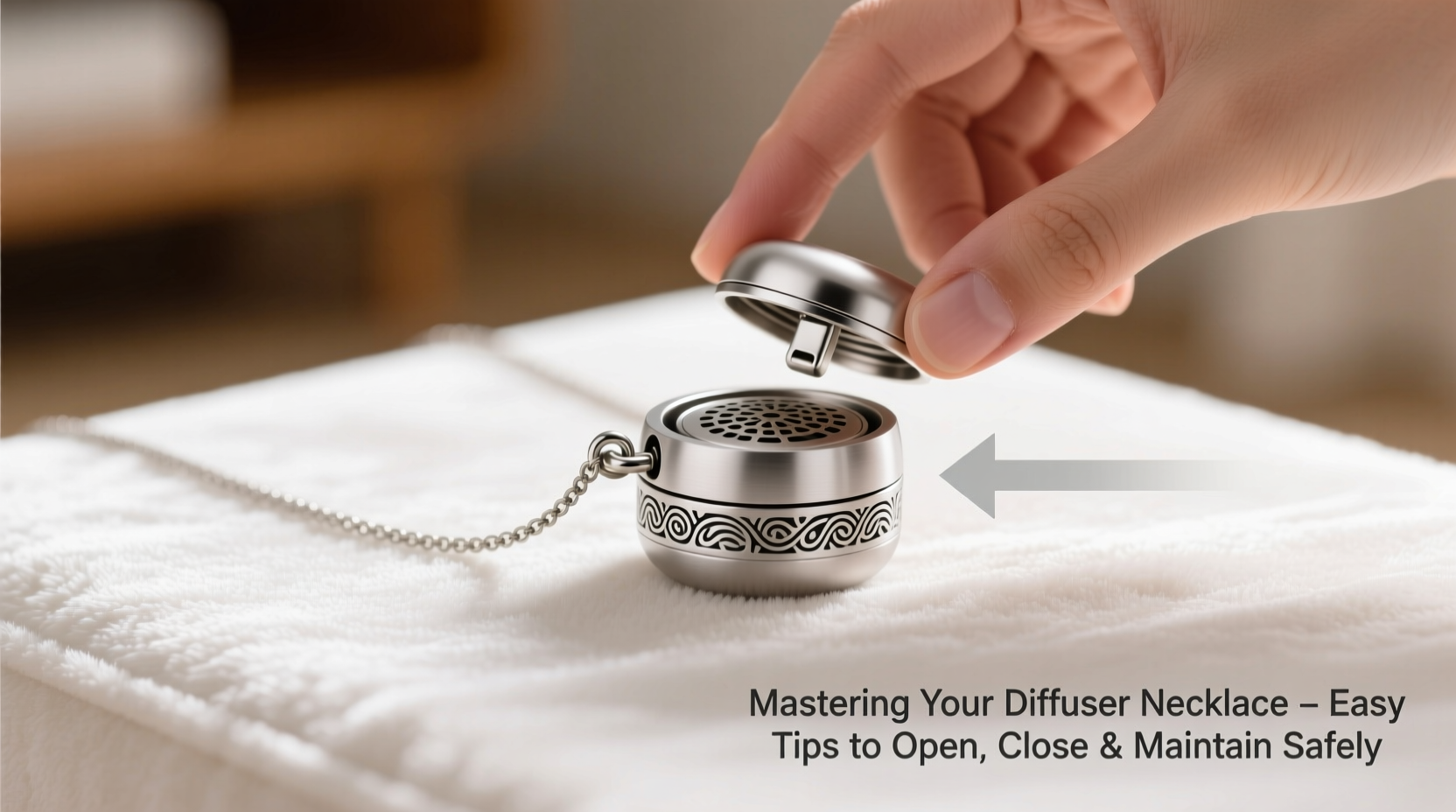
Most diffuser necklaces consist of a pendant made from porous materials like lava stone, clay, or wood, or feature a metal locket with an absorbent pad inside. The pendant absorbs a few drops of essential oil and slowly releases the aroma over several hours. Some designs are sealed with screw-on caps, magnetic closures, or hinged lids, each requiring slightly different handling.
The key to effective use lies in controlled application and secure closure. Overfilling or improper sealing not only wastes oil but can also lead to skin irritation or fabric stains. Understanding your specific necklace type is the first step toward safe and satisfying use.
Step-by-Step: How to Open and Close Your Diffuser Necklace
Opening and closing your diffuser necklace may seem simple, but doing it incorrectly can damage the piece or cause leaks. Follow this universal timeline tailored to common closure types:
- Identify the closure type: Determine whether your pendant uses a screw-top, magnetic seal, or hinge latch. Refer to the manufacturer’s instructions if unsure.
- Wash hands thoroughly: Oils on fingers can clog pores in natural stones or leave residue on metal surfaces.
- Open gently: For screw-tops, rotate counter-clockwise with light pressure. For magnets, pull straight apart. Hinges should lift smoothly—never force them.
- Add 1–2 drops of essential oil: Use a glass dropper to apply oil directly onto the absorbent material. Avoid touching the oil with fingers.
- Seal completely: Reattach the lid until snug. For screw-tops, stop when resistance increases slightly—overtightening can strip threads.
- Wipe excess: If any oil escapes, clean the exterior immediately with a dry cotton swab.
- Wait 1–2 minutes before wearing: This allows initial strong vapor to dissipate, reducing sensitivity risk.
Choosing the Right Essential Oils
Not all essential oils are suitable for direct contact with jewelry components. Citrus oils like lemon and bergamot are highly acidic and may corrode metal over time. Similarly, thick resins such as myrrh can clog porous stones.
Opt for lighter, stable oils like lavender, frankincense, or tea tree—these diffuse well and are less likely to damage materials. Always use 100% pure essential oils without carrier oil additives, which can leave greasy residues and reduce evaporation efficiency.
“Using high-quality, unadulterated oils ensures both therapeutic benefit and longevity of your diffuser jewelry.” — Dr. Lena Patel, Aromatherapy Researcher & Educator
Daily Maintenance Checklist
To keep your diffuser necklace performing at its best, incorporate these habits into your routine:
- Inspect the closure mechanism weekly for wear or misalignment
- Clean the exterior with a soft, dry cloth after every 3–4 uses
- Replace lava stones or pads every 3–6 months (depending on usage)
- Store in a cool, dark place away from humidity and direct sunlight
- Avoid wearing during exercise, showering, or swimming
- Rotate between multiple necklaces to extend material life
Do’s and Don’ts of Diffuser Necklace Care
| Do’s | Don’ts |
|---|---|
| Use 1–2 drops of essential oil per session | Overfill the pendant—this causes leaks |
| Clean stones monthly with mild soap and water (if recommended) | Soak metal components or electronic diffusers in water |
| Allow 24 hours between re-oiling for full absorption | Reapply oil too frequently, leading to saturation |
| Check for allergies by testing oil on skin first | Use near eyes, mouth, or sensitive skin areas |
| Store in a breathable fabric pouch | Leave in hot cars or humid bathrooms |
Real Example: Sarah’s Experience with a Leaking Pendant
Sarah, a yoga instructor from Portland, loved using her lava stone diffuser necklace with peppermint oil during classes. After two months, she noticed a faint stain on her blouse and a diminished scent throw. Upon inspection, she realized she had been adding three to four drops daily, assuming more oil meant longer fragrance.
The excess oil had saturated the stone beyond capacity, seeping into the silver casing and corroding the thread. She learned the hard way that even durable materials have limits. After switching to one drop and wiping the surface weekly, her necklace lasted another eight months without issues.
Her story highlights a common misconception: more isn’t better. Controlled use preserves both the jewelry and the integrity of the aromatic experience.
When and How to Deep Clean Your Necklace
Regular wiping keeps the surface clean, but periodic deep cleaning prevents oil buildup that can dull appearance and hinder diffusion. The method varies by material:
- Lava stone: Soak in warm water with a drop of dish soap for 10 minutes. Rinse and air-dry completely (up to 24 hours) before reuse.
- Clay or ceramic: Wipe with a damp cloth; never submerge unless specified by the manufacturer.
- Metal lockets with pads: Remove the pad and clean the interior with a cotton swab dipped in rubbing alcohol. Let dry fully before inserting a new pad.
- Wooden pendants: Use a lightly dampened cloth and immediately dry with a towel. Avoid soaking, as wood can crack or warp.
Deep clean every 4–6 weeks with moderate use, or biweekly with daily wear. Never use ultrasonic cleaners or steam devices—they can damage delicate components.
FAQ: Common Questions About Diffuser Necklace Safety
Can I wear my diffuser necklace while sleeping?
Yes, but with caution. Choose calming oils like lavender and ensure the pendant is fully sealed. Place it outside your collar or under your pillow if direct skin contact causes irritation. Discontinue use if you experience headaches or respiratory discomfort.
Why does my necklace stop smelling after a few hours?
This is normal. Most essential oils evaporate within 4–8 hours. Reapplication is safe once the previous dose has fully dissipated. If the stone no longer holds scent, it may be saturated with residue—clean or replace it.
Are diffuser necklaces safe for children?
Only under adult supervision. Use child-safe oils (like chamomile or diluted lavender), apply sparingly, and ensure the necklace is securely closed to prevent accidental ingestion. Avoid small, detachable parts for young children.
Final Thoughts: Make Safe Usage a Habit
Mastering your diffuser necklace isn’t just about convenience—it’s about respecting the craftsmanship and harnessing aromatherapy safely. By learning how to open, close, and maintain your pendant with care, you protect your investment and enhance your daily wellness ritual.
Consistency matters more than complexity. A few mindful actions—using the right amount of oil, checking seals, storing properly—can extend your necklace’s life for years. Treat it like the functional art piece it is, and it will continue to serve you beautifully.




 浙公网安备
33010002000092号
浙公网安备
33010002000092号 浙B2-20120091-4
Comments
No comments yet. Why don't you start the discussion?