
Essential oil diffusers have become a staple in modern wellness routines, offering more than just pleasant scents. When used effectively, they can support relaxation, improve sleep, enhance focus, and even purify indoor air. However, many users miss out on the full potential of their diffusers due to improper use, incorrect oil selection, or inconsistent maintenance. Understanding how to operate and optimize your device is key to unlocking its true benefits.
Understanding How Diffusers Work
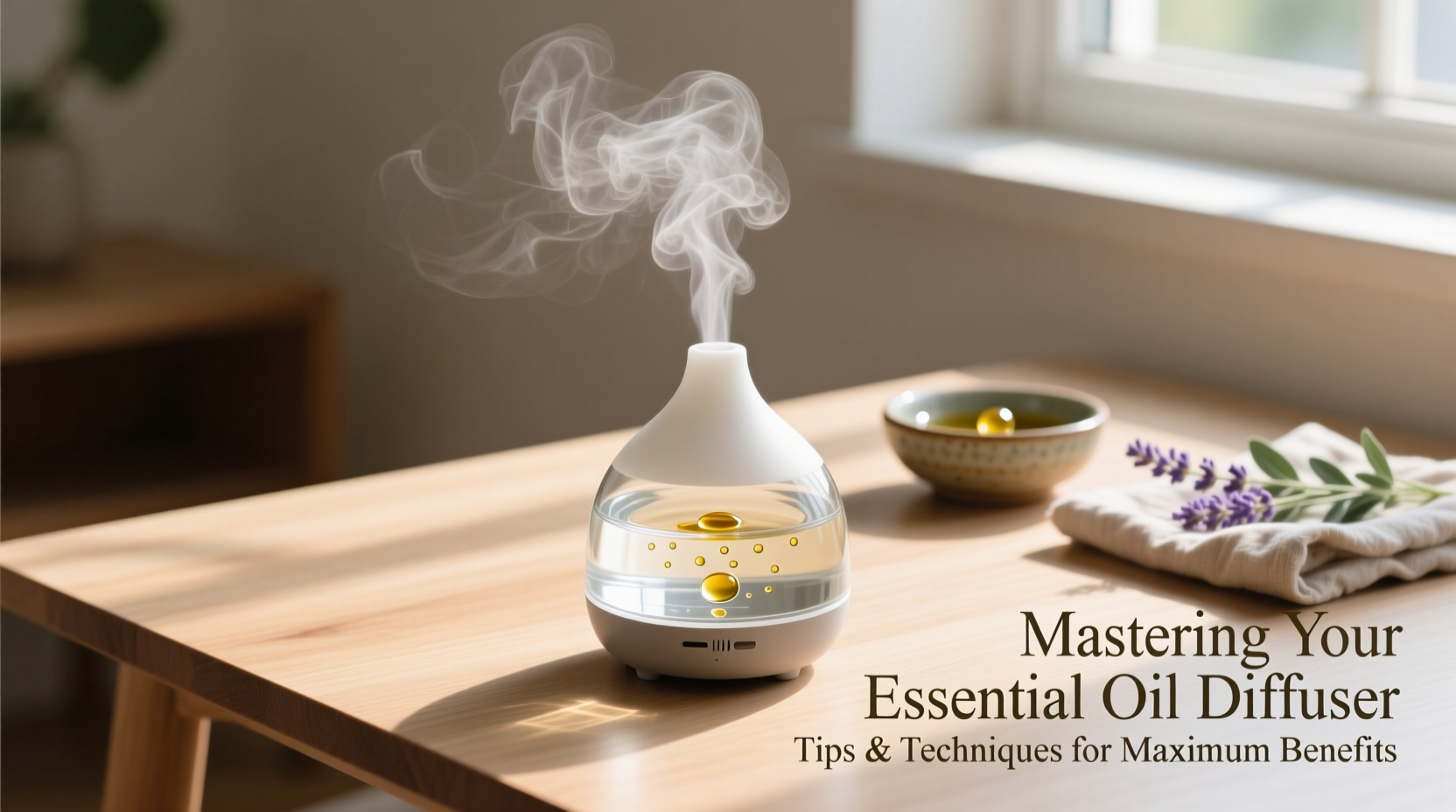
Before diving into best practices, it’s important to know what type of diffuser you’re using. The most common types include ultrasonic, nebulizing, heat, and evaporative models—each with distinct mechanisms and outcomes.
- Ultrasonic diffusers use water and high-frequency vibrations to create a fine mist that disperses essential oils into the air. They are quiet, safe, and double as humidifiers.
- Nebulizing diffusers break oils into tiny particles without water, delivering a more concentrated aroma. Ideal for therapeutic use but consume oil faster.
- Heat diffusers use warmth to evaporate oils. While simple, heat can alter the chemical composition of certain oils, reducing their efficacy.
- Evaporative diffusers use fans to blow air through an absorbent pad soaked in oil. Best for consistent scent distribution in small spaces.
For most home users, ultrasonic diffusers offer the best balance of safety, efficiency, and ease of use.
Choosing the Right Essential Oils
Not all essential oils are created equal. To get the most benefit, select 100% pure, therapeutic-grade oils from reputable brands. Avoid synthetic fragrances labeled as “essential oils,” as they lack therapeutic properties and may cause irritation.
Different oils serve different purposes. Here's a quick reference guide:
| Oil Type | Primary Benefits | Best Time to Use |
|---|---|---|
| Lavender | Calming, promotes sleep | Evening, bedtime |
| Peppermint | Boosts energy, aids concentration | Morning, work hours |
| Tea Tree (Melaleuca) | Antimicrobial, supports immune function | During cold season |
| Frankincense | Deep relaxation, spiritual grounding | Meditation, yoga |
| Lemon | Cleansing, uplifting mood | Daytime, cleaning routines |
“Using high-quality essential oils in a properly maintained diffuser ensures optimal aromatic and physiological effects.” — Dr. Lena Patel, Aromatherapy Researcher, Holistic Wellness Institute
Optimal Diffusing Techniques for Maximum Impact
Getting the most from your diffuser isn’t just about turning it on. Strategic timing, placement, and duration influence effectiveness.
Step-by-Step Guide to Effective Diffusing
- Fill with distilled water up to the indicated line. Tap water contains minerals that can build up and clog the unit.
- Add 3–6 drops of essential oil, depending on room size and desired intensity. Start low and increase gradually.
- Place the diffuser at least 2 feet above the floor—higher placement allows better dispersion since essential oil molecules are heavier than air.
- Run in intervals: 30 minutes on, 30 minutes off. Continuous diffusion can overwhelm the senses and reduce olfactory sensitivity.
- Close windows and doors during use to maintain concentration of vapor in the space.
- Clean after each use to prevent oil residue buildup and microbial growth.
A Real-World Example: Enhancing Sleep Quality
Sarah, a 38-year-old project manager, struggled with insomnia due to work stress. She began using her ultrasonic diffuser nightly with a blend of 4 drops of lavender and 2 drops of cedarwood in distilled water. She placed the unit on a nightstand across the room, set it to run for 30 minutes before bed, and kept her bedroom door closed.
Within two weeks, she reported falling asleep faster and waking less during the night. Her partner also noticed improved air quality and a calming atmosphere. By following proper technique and consistency, Sarah transformed her diffuser from a decorative item into a functional wellness tool.
Essential Maintenance Checklist
To ensure longevity and hygiene, follow this weekly maintenance routine:
- Empty remaining water after each use
- Wipe the interior tank with a soft cloth
- Perform a deep clean weekly: Fill with equal parts water and white vinegar, run for 5 minutes, then rinse thoroughly
- Inspect the nebulizer disc or ceramic plate (in ultrasonic models) for residue
- Allow the unit to air dry completely before next use
- Replace worn parts as recommended by the manufacturer
Frequently Asked Questions
How long should I run my diffuser?
Limit continuous use to 30–60 minutes at a time, especially in small or poorly ventilated rooms. For extended benefits, use intermittent cycles (e.g., 30 minutes on, 30 minutes off) over several hours.
Can I use essential oils around pets or children?
Yes, but with caution. Some oils—like tea tree, eucalyptus, and citrus—can be toxic to cats and dogs. Always diffuse in well-ventilated areas, keep the diffuser out of reach, and consult a veterinarian before use in pet-friendly homes. For children under 5, limit diffusion to 15-minute intervals and use mild oils like chamomile or lavender.
Why isn’t my diffuser producing mist anymore?
This usually indicates mineral buildup from tap water or clogged internal components. Perform a vinegar cleaning cycle and check if the water level sensor or membrane is obstructed. If problems persist, refer to the manufacturer’s troubleshooting guide.
Safety Considerations and Common Mistakes
While diffusers are generally safe, misuse can lead to headaches, respiratory irritation, or equipment damage. Avoid these common pitfalls:
- Overloading with oils: More isn’t better. Excessive oil can irritate lungs and leave sticky residue.
- Using tap water regularly: Minerals form deposits that impair function.
- Running unattended for hours: This increases humidity and risks overexposure.
- Placing near electronics or wood surfaces: Mist can damage sensitive materials.
- Ignoring allergies: Test new oils cautiously if anyone in the household has asthma or sensitivities.
Conclusion: Turn Your Diffuser Into a Wellness Tool
Your essential oil diffuser is more than a source of fragrance—it’s a gateway to improved mental clarity, emotional balance, and environmental wellness. By selecting pure oils, operating with intention, maintaining your device, and respecting safety guidelines, you transform a simple appliance into a powerful ally for daily well-being.




 浙公网安备
33010002000092号
浙公网安备
33010002000092号 浙B2-20120091-4
Comments
No comments yet. Why don't you start the discussion?