
Blenders have become essential in modern kitchens, but owning a powerful machine like a Ninja blender doesn’t guarantee perfect results. Many users struggle with uneven textures, motor strain, or underutilized features. The key isn’t just having the right tool—it’s knowing how to use it effectively. With smart techniques and consistent practices, you can transform your Ninja blender from a simple appliance into a precision kitchen partner.
Understanding Your Ninja Blender’s Capabilities
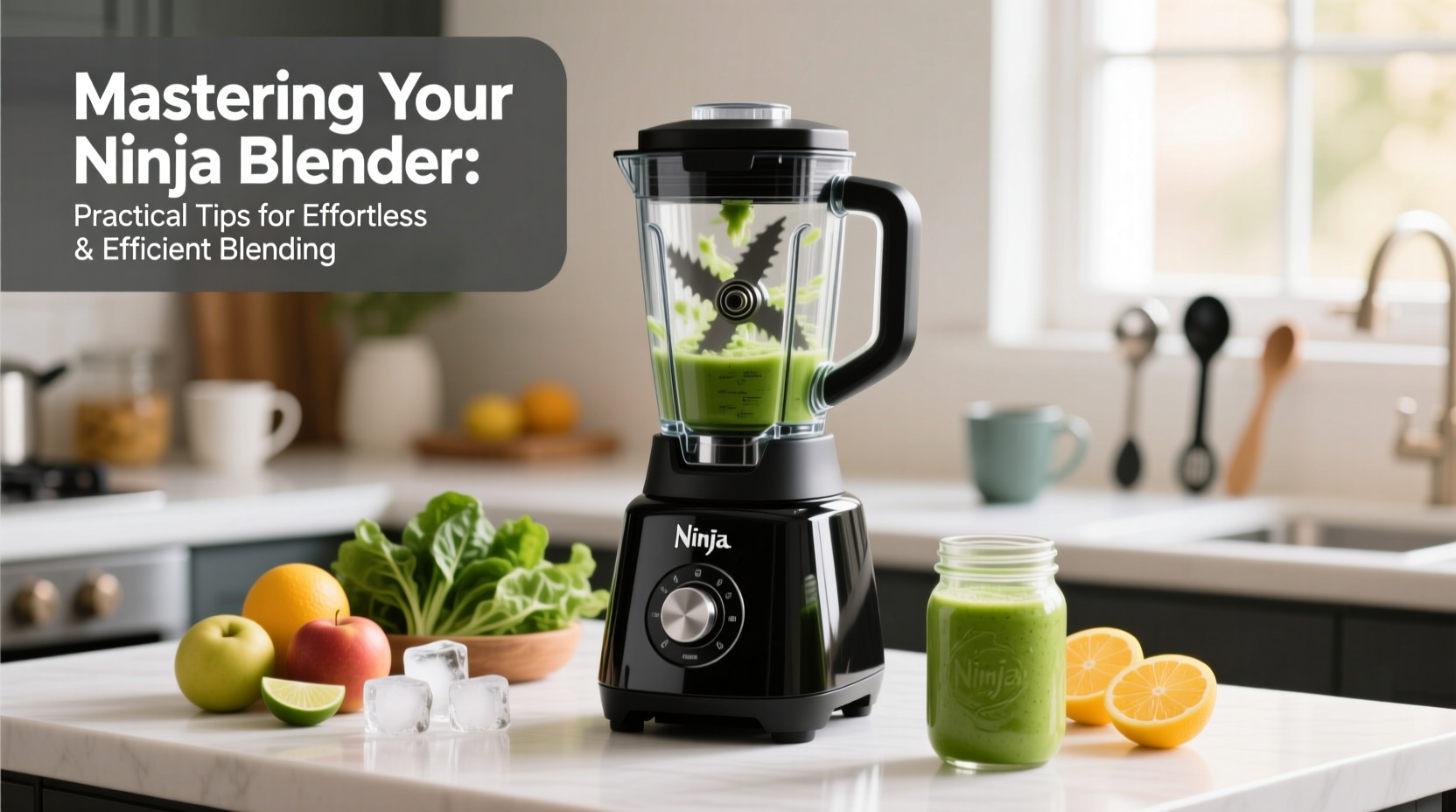
Ninja blenders are engineered for high-performance blending, featuring sharp blades, robust motors (ranging from 1000 to 1500 watts), and multi-tiered blade systems that pull ingredients downward. Models like the Ninja Professional BL610, Nutri Ninja with Auto-iQ, or the Foodi Cold & Hot Blender offer different functions—from crushing ice and frozen fruit to heating soups through friction. Recognizing what your specific model can do is the first step toward mastery.
The dual-layer blade design allows for both chopping and liquefying in one container. Unlike cheaper blenders that rely on speed alone, Ninja units combine blade geometry with pulse technology to break down fibrous vegetables, nuts, and seeds efficiently. This means less prep work and more versatility in daily use.
“High-powered blenders like the Ninja aren’t just about speed—they’re about controlled force and blade dynamics that extract nutrients more effectively.” — Dr. Lena Torres, Appliance Engineer & Kitchen Tech Analyst
Optimizing Ingredient Order and Layering
One of the most overlooked aspects of blending is the order in which ingredients are added. Incorrect layering leads to air pockets, inefficient processing, and unnecessary strain on the motor.
Liquids should always go in first. Whether it’s water, almond milk, or broth, starting with liquid creates a vortex that pulls solids down into the blades. Next, add soft ingredients like yogurt, banana, or cooked vegetables. Save hard items—carrots, ice cubes, frozen fruit, nuts—for last. This sequence ensures smooth operation and prevents blade jamming.
Step-by-Step Guide: Perfect Smoothie Layering
- Add 1 cup of liquid (milk, juice, or water)
- Pour in soft fruits or dairy (yogurt, fresh berries, avocado)
- Add leafy greens (spinach, kale) next to submerge them early
- Top with frozen fruit, ice, or protein powder
- Secure lid and start on low, gradually increasing to high
- Blend 45–60 seconds, using the tamper if your model has a feed chute
Maximizing Efficiency with Pulse, Speed, and Timing
Many users run their blenders at full speed for too long, assuming more power equals better results. In reality, strategic use of pulse mode and variable speeds yields superior texture and reduces heat buildup.
Use pulse mode in short bursts (1–2 seconds) to break up dense ingredients before transitioning to continuous blending. For nut butters or thick batters, alternate between low and medium speeds to prevent overheating. Over-blending can introduce excess air, leading to foam, or degrade heat-sensitive nutrients in raw foods.
Timing matters. Most smoothies require no more than 60 seconds. Soups may take 2–3 minutes on high to reach desired temperature via friction. Ice crushing? Use the dedicated “Crush” setting or pulse 10–15 times for crushed consistency without turning ice to slush.
| Task | Recommended Setting | Duration | Tips |
|---|---|---|---|
| Smoothies | Low → High | 45–60 sec | Use tamper for even mixing |
| Ice Crushing | Pulse / Crush | 10–15 pulses | Add liquid to prevent jamming |
| Nut Butter | Medium → High | 2–4 min | Scrape sides every minute |
| Hot Soup | High (Auto-iQ if available) | 3–4 min | Fill above minimum line; vent lid slightly |
| Dry Grains/Flours | High + Pulse | 30–45 sec | Use small batches; cool blades between uses |
Maintenance and Longevity: Caring for Your Machine
A well-maintained Ninja blender can last over five years. Regular cleaning prevents residue buildup, odors, and bacterial growth. After each use, rinse the pitcher and blades immediately. For deeper cleaning, fill halfway with warm water and a drop of dish soap, then blend for 30 seconds. Rinse thoroughly.
Never submerge the motor base in water. Wipe it with a damp cloth only. Check the gasket (the rubber ring under the blade assembly) weekly for trapped food particles—this is a common source of leaks and mold. Replace it every 12–18 months or if cracked.
Checklist: Weekly Maintenance Routine
- Wash pitcher, lid, and blade assembly after each use
- Inspect and clean the gasket seal
- Wipe down motor base with a damp cloth
- Check for cracks or warping in containers
- Ensure locking mechanism clicks securely
- Store with lid off to prevent moisture trapping
Real-World Example: From Frustration to Mastery
Sarah, a busy mother of two in Portland, bought a Ninja blender hoping to streamline her morning routine. At first, she struggled—smoothies were lumpy, the motor stalled frequently, and cleaning felt overwhelming. She assumed the machine was defective.
After reviewing the manual and adjusting her method, she started adding liquid first, cutting large produce into smaller pieces, and using the tamper correctly. She began pre-freezing spinach in ice cube trays with citrus juice to preserve nutrients. Within a week, her blends were silky, her cleanup took half the time, and she expanded to making homemade almond milk and tomato soup. What once felt like a chore became a seamless part of her day.
Her breakthrough wasn’t a new gadget—it was understanding the system.
Frequently Asked Questions
Can I put hot liquids directly into my Ninja blender?
Yes, but with caution. Only fill the pitcher no more than halfway with hot ingredients. Remove the center cap from the lid to release steam and cover the opening with a towel. Blend in short bursts at first to avoid pressure buildup. Not all models are designed for hot blending—check your user manual.
Why does my blender stop during heavy tasks?
This is typically due to the built-in safety thermostat activating from overheating. Allow the motor to cool for 15–20 minutes before resuming. Avoid continuous runs longer than 60 seconds when processing thick mixtures. Use pulse mode and scrape down ingredients periodically.
Can I grind coffee beans or spices in my Ninja blender?
You can, but it’s not ideal for regular use. Blenders create inconsistent grinds and can retain oils that affect flavor. If you do, dedicate a separate container or clean immediately. A dedicated spice grinder provides better results.
Unlock Your Blender’s Full Potential
Mastering your Ninja blender isn’t about pushing its limits—it’s about working with its design. From proper ingredient sequencing to mindful maintenance, each small adjustment compounds into dramatically better results. You’ll save time, reduce waste, and expand your culinary range far beyond smoothies.
Think of your blender not as an appliance, but as a tool for creativity and efficiency. Whether you're crafting silky hummus, whipping up pancake batter, or making cold-pressed juice alternatives, the technique is the same: respect the machine, understand the process, and refine your habits.




 浙公网安备
33010002000092号
浙公网安备
33010002000092号 浙B2-20120091-4
Comments
No comments yet. Why don't you start the discussion?