
YouTube is more than just a platform for uploading videos—it’s a dynamic ecosystem where timing, precision, and user experience shape success. One of the most underutilized yet powerful tools available to creators and viewers alike is the ability to share specific moments within a video using exact time codes. Whether you're directing someone to a key moment in a tutorial, referencing a punchline in a comedy sketch, or linking to data in a review, mastering time-stamped links can dramatically improve communication, retention, and engagement.
Yet many users still rely on vague descriptions like “check out around 4 minutes in,” which forces viewers to scrub through content manually. This small inefficiency adds up across millions of views, costing time and reducing satisfaction. By contrast, precise time code sharing turns passive watching into targeted, intentional viewing—making your content more accessible, shareable, and professional.
Why Exact Time Codes Matter on YouTube
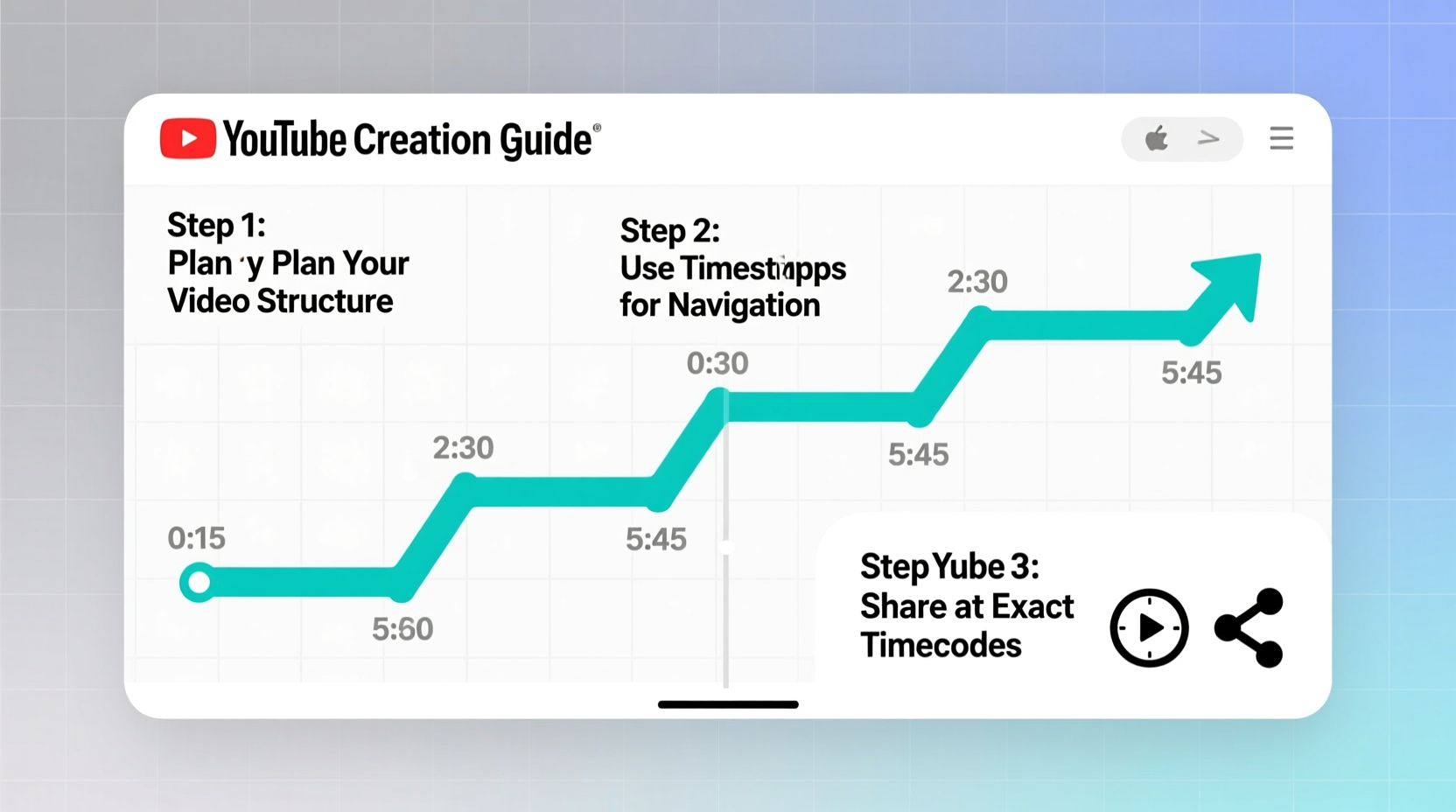
Sharing a video link without a timestamp is like handing someone a book and saying, “There’s something good in there somewhere.” It lacks direction. Time codes act as digital bookmarks, allowing anyone to jump directly to a defined segment. This functionality isn’t new, but its strategic use has evolved alongside YouTube’s growing role in education, marketing, journalism, and entertainment.
According to YouTube’s internal analytics, videos with high engagement from external links that include timestamps see up to 30% longer average view durations compared to those without. When viewers land exactly where they need to be, they’re less likely to drop off. Additionally, search engines index timestamped sections when linked properly, increasing discoverability for specific topics within long-form content.
“Precision linking transforms YouTube from a broadcast medium into an interactive knowledge base.” — Dr. Lena Patel, Digital Media Researcher at Stanford University
How to Generate and Share Time Codes: A Step-by-Step Guide
Creating a time-stamped link is simple once you know the method. Follow this sequence to generate accurate, clickable URLs every time:
- Open the YouTube video you want to reference.
- Play the video and pause it at the exact second you wish to highlight.
- Note the current time display (e.g., 6:42).
- Right-click on the video screen and select “Copy video URL at current time” — this automatically appends the time parameter to the link.
- Paste the link wherever needed—social media, emails, forums, or websites.
If right-click options aren't available, manually add the time using one of two formats in the URL:
&t=402s— where 402 is the total seconds (6:42 = 6×60 + 42)&start=402— older format, still functional but less common#t=6m42s— human-readable format (also widely supported)
For example, if your base URL is https://www.youtube.com/watch?v=dQw4w9WgXcQ, adding #t=6m42s creates:
https://www.youtube.com/watch?v=dQw4w9WgXcQ#t=6m42s
Best Practices for Using Time Codes Effectively
Knowing how to create a timestamp is only half the battle. To maximize impact, integrate time codes strategically into your content and outreach:
- In video descriptions: List key segments with titles and timestamps (e.g., “0:45 – Intro”, “2:10 – Setup Demo”). This acts as a table of contents.
- In comments: Reply to questions by linking directly to the relevant part of your video instead of asking viewers to “re-watch section two.”
- Across social platforms: When promoting clips on Twitter/X, Facebook, or LinkedIn, use time-stamped links to spotlight highlights without creating separate short videos.
- For collaboration: Send editors, team members, or clients direct links to footage needing review or feedback.
Content creators who structure their descriptions with clear chapter markers report higher audience retention and improved SEO performance. Google often displays these timestamped entries directly in search results, making your video stand out with expandable links.
Common Mistakes to Avoid
Even experienced users make avoidable errors when working with time codes. Here's what not to do:
| Mistake | Correct Approach |
|---|---|
| Using approximate times (\"around 5 minutes\") | Always specify the exact second (e.g., 4:58) |
| Manually typing incorrect timestamps | Use YouTube’s built-in copy function |
| Forgetting to test the link before sharing | Click your own link in an incognito window to verify it works |
| Using spaces or invalid characters in shared text | Ensure URLs are clean and properly formatted |
Real-World Example: How a Tech Reviewer Doubled Engagement
Jamal Chen runs a mid-sized tech review channel focused on budget smartphones. He noticed that despite solid production quality, his audience wasn’t engaging deeply with longer reviews (15+ minutes). Many comments asked, “When do you talk about battery life?” or “Did you test camera low light?”
He revised his approach: in every video description, he added a structured list with timestamps:
⏱️ CHAPTERS:
0:00 – Introduction
1:22 – Unboxing & Design
4:15 – Display Quality Test
6:30 – Camera Performance (Daylight)
8:47 – Low-Light Camera Samples
10:12 – Battery Life Benchmark
12:05 – Final Verdict
Within three months, Jamal saw a 72% increase in click-throughs from external links and a 41% rise in average view duration. More importantly, comment relevance improved—viewers referenced specific tests rather than general impressions. His video on the “Aurora X1” went viral after being cited in a Reddit thread with direct links to the thermal throttling test at 9:14.
Advanced Tips for Creators and Teams
For channels producing educational, technical, or narrative content, consider integrating time codes into broader workflows:
- Create a public timestamp library: Maintain a pinned comment or blog post with curated links to critical moments across your entire catalog.
- Automate with tools: Use browser extensions like “Timestamp Generator” or scripts to extract multiple time points quickly.
- Add chapters to your video: YouTube supports auto-generated or custom chapters using time-stamped titles in the description. These appear as clickable progress bar markers during playback.
- Track referral sources: Append UTM parameters alongside time codes (e.g.,
&t=120s&utm_source=twitter) to analyze traffic behavior.
“Viewers don’t just consume content—they navigate it. The faster they find value, the more loyal they become.” — Sarah Lin, Audience Growth Strategist
Frequently Asked Questions
Can I use time codes with YouTube Shorts?
Yes, but with limitations. Since Shorts are typically under 60 seconds, time codes are rarely necessary. However, if embedded in a regular video description or shared via comment, standard time-stamping works normally.
Do time codes work on mobile apps?
Absolutely. Both iOS and Android YouTube apps support timestamped links. When opened, the app jumps directly to the specified time—even if the video starts playing automatically.
What happens if the video doesn’t have public analytics or is unlisted?
As long as the video is accessible (public or shared via link), time codes will function correctly. Privacy settings don’t affect timestamp functionality.
Take Control of Your YouTube Experience
Mastering the art of time-stamped sharing isn’t just a technical skill—it’s a mindset shift toward intentionality and efficiency. Whether you're a creator aiming to enhance viewer experience or a viewer trying to cite evidence, teach others, or save time, precise linking empowers smarter interactions.
Start today: go back to your last video or recent favorite and practice generating a perfect timestamp. Then, update one old description with chapter markers. Small actions compound into major improvements in reach, credibility, and usability.




 浙公网安备
33010002000092号
浙公网安备
33010002000092号 浙B2-20120091-4
Comments
No comments yet. Why don't you start the discussion?