
YouTube is no longer just a platform for entertainment—it's a powerful tool for education, entrepreneurship, and personal branding. Over two billion logged-in users visit YouTube each month, making it the second-largest search engine in the world. Yet, despite its reach, many creators struggle to gain traction. Success isn’t about luck; it’s about strategy, consistency, and understanding the ecosystem. This guide walks you through every stage of building a thriving YouTube channel—from setup to sustainable growth—using real-world principles that deliver results.
Step 1: Define Your Niche and Target Audience
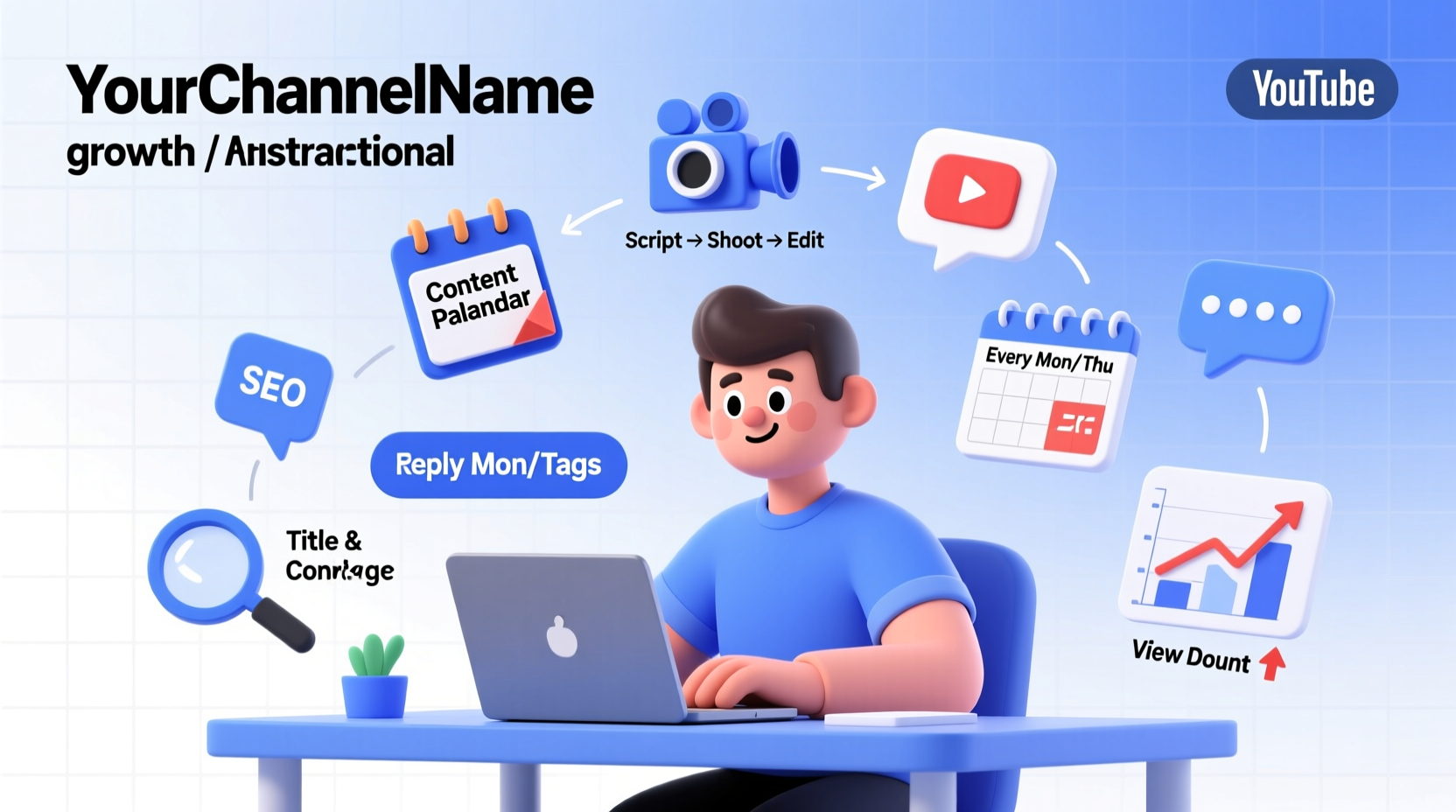
Before uploading your first video, clarity is essential. The most successful channels solve a problem, fulfill a need, or entertain a specific group. Choose a niche that aligns with your expertise and passion, but also has demand. Use tools like Google Trends, YouTube search suggestions, and competitor analysis to validate interest.
Ask yourself:
- Who am I speaking to? (e.g., beginners in photography, budget travelers, fitness enthusiasts)
- What value do I offer that others don’t?
- Can I consistently produce content in this area for the next 6–12 months?
Step 2: Set Up Your Channel for Professionalism and Discoverability
Your channel is your digital storefront. First impressions matter. A polished setup builds trust and encourages subscriptions.
- Channel Name: Keep it simple, memorable, and relevant to your niche.
- Profile & Banner Art: Use high-resolution graphics that reflect your brand. Include your upload schedule or tagline if space allows.
- About Section: Clearly state who you are, what viewers will learn, and when new videos arrive. Include keywords naturally for SEO.
- Links: Add links to your website, social media, or other platforms.
Enable features like channel keywords and set your country display for better algorithmic alignment.
Step 3: Master Content Creation That Converts Viewers
Content is king, but context is kingdom. Even excellent videos fail without strategic structure and viewer psychology.
Plan Your Video Structure
A winning format includes:
- Hook (0–15 seconds): Start with a question, surprising fact, or clear benefit.
- Presentation of Problem: Identify the pain point your audience feels.
- Solution Delivery: Provide actionable steps, insights, or entertainment.
- Call-to-Action: Ask viewers to like, comment, subscribe, or watch another video.
Optimize Production Quality
You don’t need expensive gear, but audio clarity and stable visuals are non-negotiable. Use natural lighting, a quiet environment, and free editing software like DaVinci Resolve or Shotcut. On-camera presence improves with practice—record multiple takes until delivery feels natural.
“Great content doesn’t require a big budget. It requires clarity, authenticity, and consistency.” — Marie Poulin, YouTube Strategy Consultant
Step 4: Optimize for YouTube Search and Discovery
YouTube is a search engine. If your content isn’t optimized, it won’t be found—even by your subscribers.
Keyword Research
Use tools like TubeBuddy, vidIQ, or even YouTube’s own search bar to identify high-volume, low-competition keywords. Look for phrases with consistent monthly searches and relevance to your niche.
Title, Description, and Tags
| Element | Best Practices |
|---|---|
| Title | Under 60 characters, include primary keyword early, use power words (e.g., “Ultimate,” “Proven,” “Easy”) |
| Description | First 2–3 sentences contain keywords and summary. Include timestamps, links, and CTAs after 200 characters. |
| Tags | Mix broad and specific tags (e.g., “beginner yoga,” “10-minute morning yoga routine”) |
Thumbnails That Stand Out
Custom thumbnails increase click-through rates (CTR). Use bold text, high contrast, and expressive facial reactions when applicable. Avoid clutter. Stick to one focal point.
Step 5: Grow Your Audience Strategically
Subscribers don’t come overnight. Growth comes from consistency, community, and smart promotion.
Create a Publishing Schedule
Upload consistently—whether weekly or bi-weekly. The algorithm rewards reliability. Use YouTube Studio to schedule uploads in advance.
Engage Authentically
Reply to comments within the first 24 hours. Pin thoughtful viewer questions. Ask for feedback in videos. When people feel heard, they become loyal advocates.
Leverage Playlists and End Screens
Group related videos into playlists to boost watch time. Use end screens to promote your best content or encourage subscription. Playlist views can account for up to 20% of total channel views.
Collaborate and Cross-Promote
Partner with creators in your niche. Guest appearances, shoutouts, or joint challenges expand your reach to engaged audiences.
Mini Case Study: From Zero to 10K Subscribers in 6 Months
Jamie, a former teacher, launched a channel called “Budget Science Experiments” during remote learning. She focused on simple, safe experiments parents could do at home with household items. Her first few videos gained little attention. Then she analyzed top-performing videos in her niche, refined her thumbnails, and started using precise titles like “How to Make a Volcano with Baking Soda – Easy Kids Science.” She posted every Tuesday and responded to every comment. Within five months, one video on “Rainbow Density Jar” went viral, gaining over 300,000 views. By month six, she hit 10,000 subscribers and was invited to collaborate with an educational nonprofit.
Her success came not from virality alone, but from consistent optimization, audience empathy, and persistence.
Essential YouTube Growth Checklist
- Define niche and ideal viewer
- Create professional channel art and description
- Research 10 keyword-rich video ideas
- Script and film first 3 videos
- Design custom thumbnails for each
- Optimize titles, descriptions, and tags
- Set a consistent upload schedule
- Respond to all early comments
- Review analytics weekly (CTR, retention, traffic sources)
- Revise underperforming elements monthly
FAQ: Common Questions About Growing a YouTube Channel
How long does it take to grow a YouTube channel?
There’s no fixed timeline. Some channels gain traction in 3 months; others take over a year. Success depends on content quality, consistency, and market demand. Focus on steady improvement rather than rapid growth.
Do I need to speak on camera?
Not necessarily. Many successful channels use voiceover with b-roll, screen recordings, or animations. However, on-camera presence builds stronger personal connection and trust, which can accelerate growth.
Why aren’t my videos getting views?
Lack of visibility usually stems from poor SEO, weak thumbnails, or low audience retention. Check your CTR and average view duration in YouTube Analytics. If CTR is low, improve thumbnails and titles. If retention drops early, refine your hook and pacing.
Conclusion: Start Now, Improve Relentlessly
Creating a successful YouTube channel isn’t about perfection—it’s about progress. The most influential creators weren’t experts on day one. They learned by doing, analyzing data, and listening to their audience. Every upload is a step forward. Every comment is a chance to connect. Every optimization sharpens your craft.
You don’t need millions of subscribers to make an impact. You need one video that helps one person—and then another, and another. Begin with clarity, execute with consistency, and grow with intention.




 浙公网安备
33010002000092号
浙公网安备
33010002000092号 浙B2-20120091-4
Comments
No comments yet. Why don't you start the discussion?