
Hallways are high-traffic zones. Shoes scuff walls, backpacks rub against surfaces, and fingerprints accumulate daily. Choosing the right paint finish isn’t just about aesthetics—it’s a practical decision that affects how easily you can maintain cleanliness over time. Two popular options for interior walls—matte and eggshell finishes—are often compared for their visual appeal and ease of cleaning. But when it comes to wiping down smudges, dirt, or marks in a hallway, one clearly outperforms the other. Understanding the differences between matte and eggshell finishes helps homeowners make informed choices that balance beauty with functionality.
Understanding Paint Sheens: Matte vs Eggshell
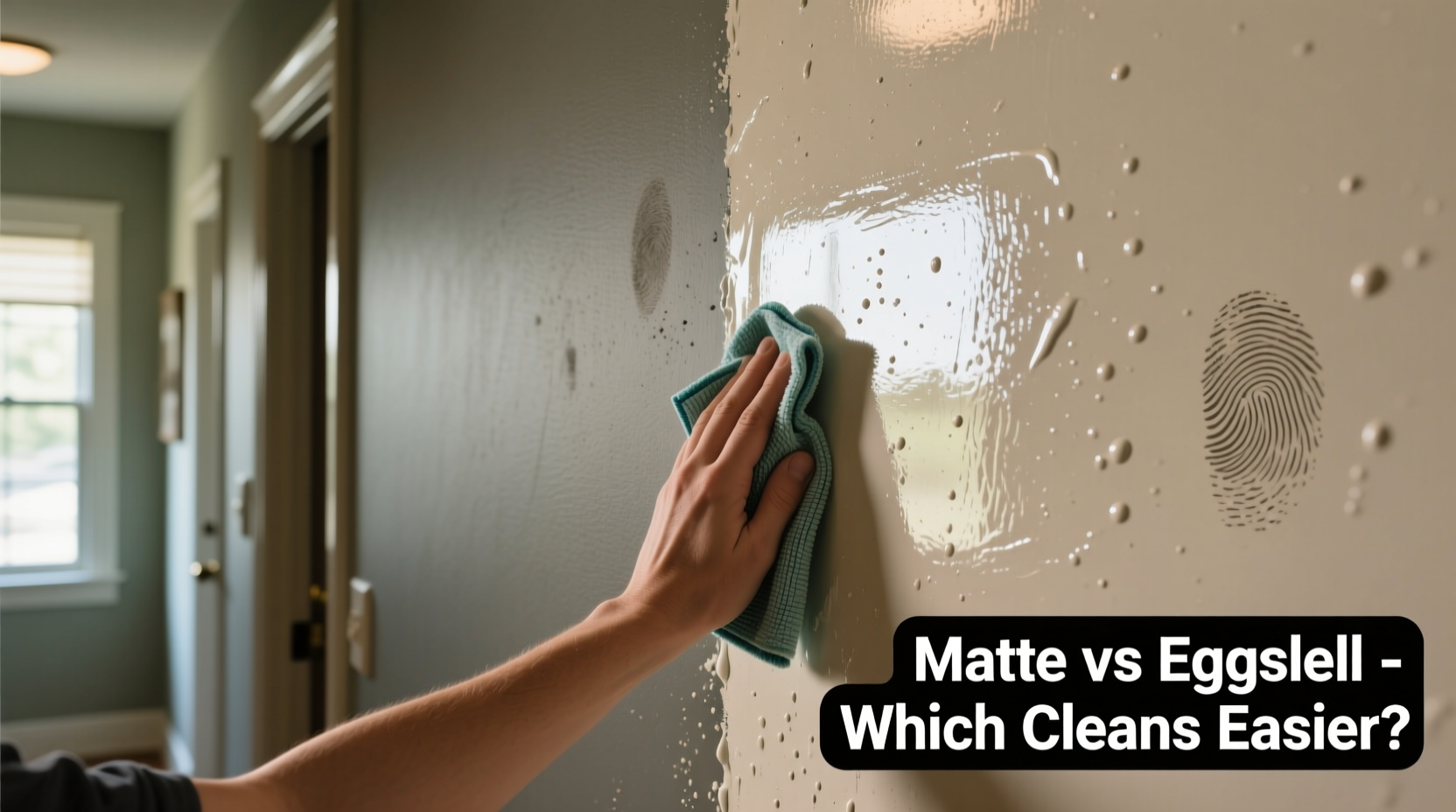
Paint sheen refers to the level of gloss or shine a dried paint film reflects. It ranges from flat (no shine) to high-gloss (very reflective), with several levels in between. Matte and eggshell fall on the lower end of this spectrum but differ in subtle yet impactful ways.
Matte finish, also known as flat finish, has no shine. It absorbs light rather than reflecting it, making it excellent at hiding surface imperfections like dents, patches, or uneven drywall. This quality makes matte paint a favorite for ceilings and low-traffic areas such as bedrooms or formal living rooms.
Eggshell finish gets its name from its resemblance to the surface of an eggshell—slightly lustrous but not shiny. It offers a soft glow that enhances wall depth while providing better resistance to moisture and stains than matte paint. Because of this balance, eggshell is increasingly used in family rooms, dining areas, and yes—hallways.
The key difference lies in durability and cleanability. While both finishes are suitable for walls, their performance under frequent wiping varies significantly due to resin content and surface texture.
Cleanability: How Each Finish Responds to Wiping
In a hallway, where walls face constant contact from hands, bags, shoes, and even pets, cleanability becomes a top priority. The ability to wipe down a wall without damaging the paint or leaving streaks determines long-term satisfaction.
Matte paint, despite its smooth appearance, has a porous surface. When wiped with a damp cloth, water and cleaning agents can penetrate the paint layer, causing discoloration or lifting of pigment. Even mild scrubbing may leave behind a lighter patch, especially if touch-up paint isn’t perfectly matched. This sensitivity means matte finishes require careful handling—often limiting them to “dust-only” maintenance in high-touch areas.
Eggshell, by contrast, contains more binders and resins, creating a denser, slightly sealed surface. This allows it to resist moisture and tolerate gentle washing. Most eggshell paints are labeled as “washable,” meaning they can withstand repeated cleaning with a sponge and mild detergent without degrading. In real-world use, this translates to fewer visible wear patterns and longer-lasting appearance in busy corridors.
Comparative Performance in High-Traffic Areas
To evaluate which finish performs better in hallways, consider three factors: abrasion resistance, stain retention, and touch-up consistency.
| Feature | Matte Finish | Eggshell Finish |
|---|---|---|
| Abrasion Resistance | Poor – easily marked by friction | Good – resists light rubbing and scuffs |
| Stain Retention | High – absorbs oils and dirt into surface | Moderate – repels most spills and marks |
| Wipe Clean Capability | Limited – risks paint removal or sheen change | High – tolerates regular damp wiping |
| Touch-Up Friendliness | Excellent – blends well due to zero sheen | Fair – may show slight sheen differences |
| Suitability for Hallways | Low – best for decorative, low-contact zones | High – ideal for moderate to heavy traffic |
The data shows a clear advantage for eggshell in functional performance. While matte paint excels in blending repairs and concealing flaws, its inability to endure routine cleaning makes it a poor fit for hallways. Eggshell strikes a balance—offering enough sheen to resist grime while maintaining a soft, elegant look that doesn’t scream “utility room.”
“Choosing paint isn’t just about color or finish—it’s about matching material performance to room function. In hallways, washability should outweigh aesthetic preference.” — Daniel Reeves, Interior Painting Consultant with 18 years of residential experience
Real-World Example: A Family Home Hallway Test
Consider the Thompson family, who recently renovated their 1950s home. They painted the upstairs hallway—a narrow passage connecting four bedrooms—with a premium matte white paint, drawn to its velvety appearance and promise of flaw concealment. Within two months, dark scuff marks from shoes appeared near baseboards, and handprints clustered around light switches.
Attempting to clean the marks with a microfiber cloth and warm soapy water only made things worse. The paint lifted slightly in spots, leaving dull patches that stood out under overhead lighting. Frustrated, they repainted half the hallway using an eggshell finish in the same color. Over the next six months, the new section was wiped down monthly with no visible damage. Scuffs were removed effortlessly, and the surface retained its original appearance.
This case illustrates a common pitfall: prioritizing initial visual appeal over long-term maintenance. The matte finish looked stunning on day one—but failed under real-life conditions. The switch to eggshell didn’t dramatically alter the room’s ambiance, yet drastically improved practicality.
Best Practices for Maintaining Hallway Walls
Even the most durable paint benefits from proper care. To extend the life of your hallway finish—whether eggshell or matte—follow these steps:
- Use the Right Tools: Opt for soft, non-abrasive cloths like microfiber. Avoid scouring pads or rough sponges, even on eggshell.
- Mix Gentle Cleaners: Combine lukewarm water with a few drops of dish soap. Harsh chemicals like bleach or ammonia can degrade binders in any paint.
- Blot, Don’t Scrub: Press gently rather than rubbing vigorously. Circular motions help lift dirt without stressing the surface.
- Rinse After Cleaning: Wipe with a second damp cloth to remove soap residue, then dry immediately with a clean towel.
- Address Stains Quickly: The sooner you treat a mark, the less effort it takes to remove—reducing the need for aggressive cleaning later.
When Matte Might Still Work
While eggshell is generally superior for hallways, there are niche scenarios where matte could be acceptable:
- Low-Use Hallways: If the corridor leads only to guest rooms used infrequently, matte may suffice.
- Wall Protection Systems: Installing chair rails, corner guards, or wainscoting reduces direct contact, allowing matte paint to survive longer.
- Designer Intent: In minimalist or gallery-style spaces, the ultra-flat look of matte paint may be worth the maintenance trade-off.
Even in these cases, consider applying a clear protective topcoat designed for matte surfaces. Some modern acrylic sealers add washability without altering sheen significantly. These products are particularly useful in homes with children or pets.
Expert Checklist: Choosing the Right Finish for Your Hallway
Before committing to a paint finish, go through this checklist to ensure long-term satisfaction:
- ✅ Is the hallway used by multiple people daily?
- ✅ Do backpacks, coats, or furniture regularly brush against the walls?
- ✅ Are there young children or pets in the household?
- ✅ Will the space be cleaned more than once a month?
- ✅ Is the wall surface relatively smooth and well-prepared?
- ✅ Am I willing to repaint more frequently if needed?
If you answered “yes” to the first four questions, eggshell is almost certainly the better choice. Matte paint demands near-perfect conditions to remain presentable over time. Eggshell provides resilience without sacrificing elegance.
Frequently Asked Questions
Can I wash matte paint with soapy water?
You can try, but with caution. Use minimal moisture and never scrub. Many matte paints will absorb water and lose pigment, leading to uneven patches. It’s safer to spot-clean with a dry eraser or magic sponge (lightly) rather than wet methods.
Does eggshell finish show roller marks?
It can, especially if applied poorly. Eggshell reveals more texture than matte because of its slight sheen. However, with proper technique—using a high-quality roller, consistent pressure, and cutting in edges carefully—roller marks are avoidable. Proper wall prep also minimizes visibility.
Is eggshell harder to touch up than matte?
Slightly. Because eggshell has a subtle sheen, touch-ups may appear flatter if not blended well. For best results, stir the paint thoroughly, feather the edges of the repair outward, and consider repainting the entire wall section (e.g., from trim to trim) for seamless results.
Final Recommendation: Why Eggshell Wins for Hallways
While matte paint offers undeniable charm in controlled environments, it falters under the daily demands of a household hallway. Its lack of washability, vulnerability to abrasion, and tendency to hold onto stains make it a high-maintenance option where low effort is preferred.
Eggshell finish, though slightly more reflective, delivers the durability needed for active homes. It resists dirt, wipes clean with minimal effort, and maintains its appearance over time. Modern formulations have narrowed the gap in flaw-concealing ability, making eggshell a viable alternative even on imperfect walls.
The goal of painting a hallway isn’t just to make it look good on move-in day—it’s to keep it looking fresh for years despite constant use. By choosing eggshell, homeowners invest in longevity, ease of care, and peace of mind. A little extra shine is a small price to pay for walls that stand up to real life.




 浙公网安备
33010002000092号
浙公网安备
33010002000092号 浙B2-20120091-4
Comments
No comments yet. Why don't you start the discussion?