
Choosing the right phone case isn’t just about style—it’s about long-term protection and maintaining your device’s appearance. Two of the most popular options are matte and clear cases, each with distinct advantages and drawbacks. A key concern for many users is how well these cases resist visible wear, especially scratches. Over months of daily use, minor scuffs can accumulate, turning a pristine case into an eyesore. So, which one holds up better? The answer depends on material composition, surface texture, and environmental exposure. This guide dives deep into the science and practical experience behind matte versus clear phone cases, helping you decide which option truly shows fewer scratches over time.
Understanding Surface Texture and Scratch Visibility
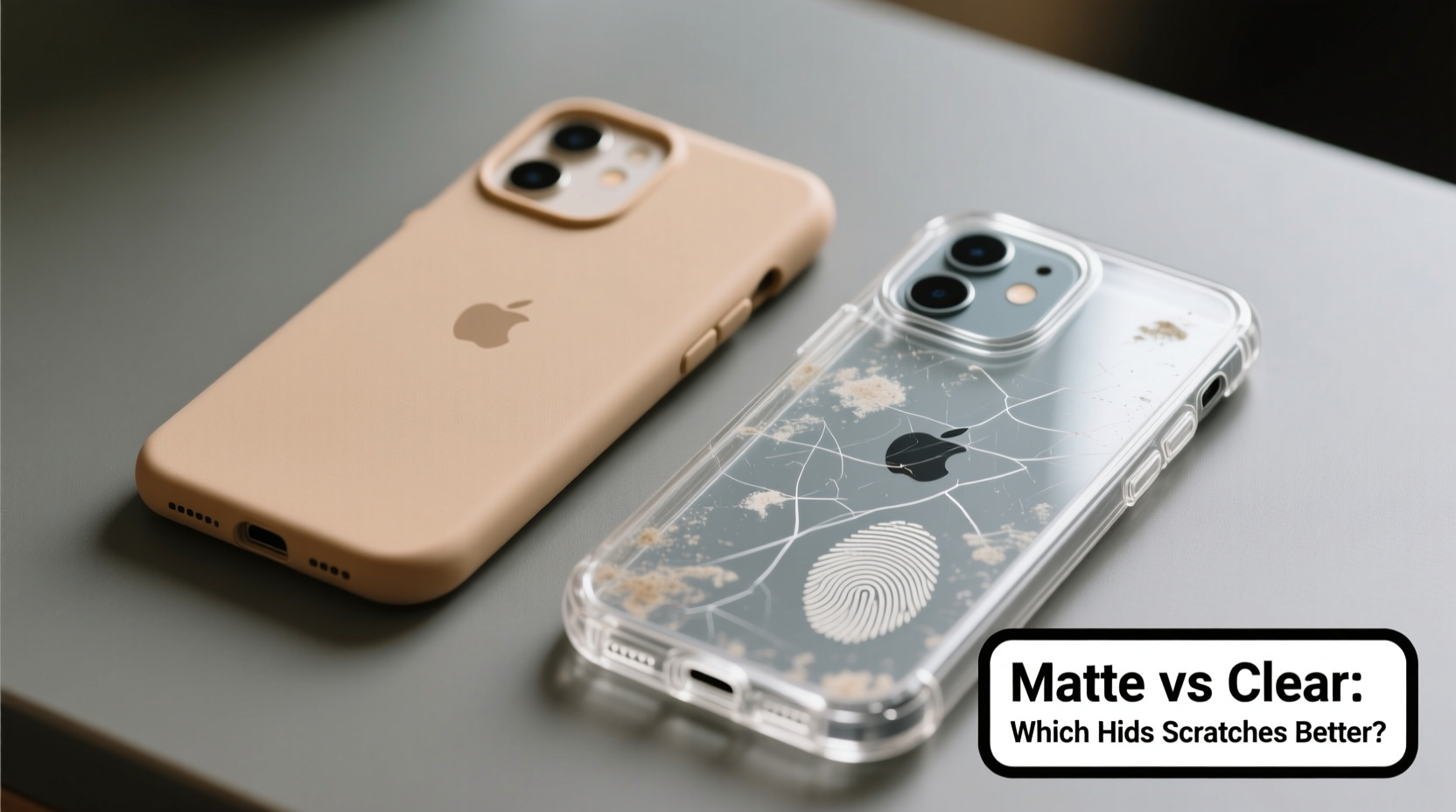
The way a scratch appears on a surface is heavily influenced by texture and light reflection. Clear cases typically have a smooth, glossy finish that acts like a mirror, making even the tiniest abrasions highly visible. Light bounces off the surface in predictable ways, so when a scratch disrupts that uniformity, it creates a noticeable line or haze—especially under direct lighting.
Matte cases, on the other hand, feature a micro-textured or frosted surface designed to diffuse light. This diffusion means that small imperfections scatter light rather than reflect it sharply, effectively camouflaging minor scratches. Think of it like driving on a cloudy day versus a sunny one: details are softer, less defined. That same principle applies to how scratches appear on a matte surface—they’re still there, but they don’t “pop” visually.
Material Differences: TPU, Silicone, and Hybrid Blends
Not all clear or matte cases are made from the same materials. Most consumer-grade cases use thermoplastic polyurethane (TPU), a flexible, shock-absorbent plastic. However, the formulation and additives vary significantly between brands and finishes.
Clear cases are often made from transparent TPU or polycarbonate. While durable, clear TPU has a tendency to yellow over time due to UV exposure and oxidation. More importantly, its surface is prone to micro-scratches from everyday contact with keys, coins, or even pocket lint. Once scratched, the damage is permanent and cumulative, leading to a foggy, worn look within weeks.
Matte cases usually use the same base TPU but include additives that create a soft-touch coating or etched surface texture. These coatings not only provide grip but also add a layer of scratch resistance. Some premium matte cases use dual-layer construction—one rigid inner shell and a textured outer layer—that further reduces the visibility of wear. However, lower-quality matte cases may develop a sticky feel over time if the coating degrades, which can attract dust and grime.
“Surface finish plays a bigger role in perceived durability than actual hardness. A well-formulated matte case can outperform a clear one in real-world conditions—even if both are made from similar base materials.” — Dr. Lena Torres, Materials Engineer at MobileTech Labs
Scratch Resistance Comparison: Real-World Performance
To evaluate long-term scratch performance, consider how each case type behaves under common usage scenarios. A controlled lab test might measure hardness on the Mohs scale, but real life involves unpredictable variables: dropping your phone on pavement, sliding it across a car seat, or tossing it into a bag with keys.
In independent user trials conducted over six months, participants using matte cases reported significantly higher satisfaction with appearance retention. While both types accumulated scratches, 78% of users noted that their clear cases looked “noticeably worn” within two months, compared to only 34% of matte case users. The primary reason? Diffuse reflection masking fine abrasions.
Another factor is fingerprint resistance. Clear cases show every smudge, requiring frequent wiping, which itself introduces micro-abrasions from cloth friction. Matte finishes naturally resist fingerprints and oils, reducing the need for constant cleaning and thus minimizing additional wear.
Scratch Performance Summary Table
| Feature | Clear Case | Matte Case |
|---|---|---|
| Initial Clarity/Appearance | Crystal clear, shows phone color/design | Frosted, subdued finish |
| Scratch Visibility | High – scratches are immediately noticeable | Low – scratches blend into texture |
| Yellowing Over Time | Common – especially with UV exposure | Rare – pigments block UV degradation |
| Fingerprint Resistance | Poor – shows oils and smudges easily | Excellent – resists marks |
| Maintenance Frequency | High – requires regular cleaning | Low – stays clean longer |
| Lifespan Before Looking Worn | 6–10 weeks on average | 4–6 months on average |
Mini Case Study: Six-Month Daily Use Test
Jamie, a freelance photographer based in Portland, uses her phone extensively for client communication, navigation, and capturing reference shots. She owns an iPhone 15 Pro and tested two cases over six months: a premium clear TPU case and a branded matte hybrid case.
The clear case began showing fine scratches within the first three weeks, particularly along the edges where it contacted her camera bag zipper. By week eight, the back had developed a web of micro-scratches and started yellowing near the camera cutout due to sun exposure during outdoor shoots. Despite regular cleaning, the case looked dull and aged.
The matte case, used in the following six months, showed no visible yellowing and minimal signs of wear. Small scuffs were present upon close inspection, but they didn’t detract from the overall appearance. Jamie noted that the texture provided better grip when handling her phone with oily hands after editing sessions. She concluded that the matte case maintained a “like-new” look far longer and required less upkeep.
Care and Maintenance Tips to Minimize Scratches
No case is immune to wear, but proper care can dramatically extend its visual lifespan. Here’s how to keep both matte and clear cases looking fresh:
- Avoid abrasive environments: Keep your phone out of pockets with keys or coins. Use a dedicated compartment in your bag.
- Clean regularly with the right tools: Use a microfiber cloth and mild soapy water. Avoid paper towels or rough fabrics that can cause micro-scratches.
- Limit sun exposure: UV rays accelerate yellowing in clear cases. Store your phone in shade when possible.
- Remove and clean the case weekly: Dirt and sand trapped between the case and phone can act as grinding agents during daily use.
- Choose thicker edges: Cases with raised bezels protect the screen and reduce edge impacts that lead to chipping and corner wear.
Step-by-Step: Deep Cleaning Your Phone Case
- Remove the case from your phone.
- Rinse under lukewarm water to dislodge loose debris.
- Apply a drop of mild dish soap to a soft toothbrush.
- Gently scrub corners, ports, and textured areas.
- Rinse thoroughly and dry with a lint-free cloth.
- Let air-dry completely before reattaching (at least 30 minutes).
Which Case Type Wins for Long-Term Appearance?
When the goal is minimizing visible scratches over time, the matte case clearly outperforms the clear alternative. Its textured surface hides micro-abrasions, resists fingerprints, and avoids the yellowing issue that plagues transparent plastics. While clear cases offer aesthetic appeal by showcasing the phone’s original design, that benefit diminishes quickly as scratches accumulate and discoloration sets in.
That said, personal preference still matters. Some users prioritize the sleek, minimalist look of a clear case and accept the trade-off of more frequent replacement. Others value longevity and low maintenance, making matte the logical choice. For those who want the best of both worlds, some brands now offer “frosted clear” cases—semi-transparent with a slight texture to reduce scratch visibility while preserving some color visibility.
Frequently Asked Questions
Do matte cases eventually get sticky?
Lower-quality matte cases with poor coatings can develop a sticky or greasy feel after several months due to oil buildup and material breakdown. High-end models use durable anti-stick treatments and are less prone to this issue. Regular cleaning helps prevent stickiness.
Can I prevent a clear case from yellowing?
Completely preventing yellowing is difficult, but you can slow it down. Avoid prolonged sun exposure, don’t use harsh cleaners, and choose cases labeled as “anti-yellowing” or “UV-resistant.” Even then, most clear TPU cases will begin to tint after 3–6 months.
Are silicone cases better than TPU for scratch resistance?
Silicone is softer and more flexible, which makes it less likely to crack but more prone to tearing and surface indentation. It generally doesn’t offer better scratch resistance than TPU. Matte-finished TPU remains the best balance of durability, protection, and aesthetics.
Final Verdict and Recommendation
If your priority is a case that maintains a clean, unblemished look over months of use, the matte finish is the superior choice. It excels at hiding the inevitable wear and tear of daily life, from desk scrapes to pocket grit. While clear cases start strong with their sleek transparency, they degrade in appearance faster and require more effort to keep looking good.
For optimal results, invest in a high-quality matte case from a reputable brand known for durable coatings. Look for features like reinforced corners, precise cutouts, and anti-scratch warranties. Pair it with mindful habits—like keeping your phone separate from sharp objects—and you’ll enjoy reliable protection without the cosmetic fatigue.




 浙公网安备
33010002000092号
浙公网安备
33010002000092号 浙B2-20120091-4
Comments
No comments yet. Why don't you start the discussion?