
When choosing a phone case, most people focus on design, fit, and protection. But one often overlooked factor is surface finish—specifically, whether a matte or glossy coating better withstands everyday wear and tear. While both finishes have their aesthetic appeal, they differ significantly in scratch resistance, durability, and long-term appearance. Understanding these differences helps you make an informed decision that balances style with practicality.
Scratches aren’t just cosmetic flaws—they can compromise structural integrity over time, especially when cracks form around damaged areas. More importantly, visible scuffs degrade the user experience, making even a brand-new phone look worn within weeks. This article breaks down the science behind matte and glossy finishes, compares their performance under real-life conditions, and offers actionable guidance for maintaining your device’s pristine look.
The Science Behind Surface Finishes
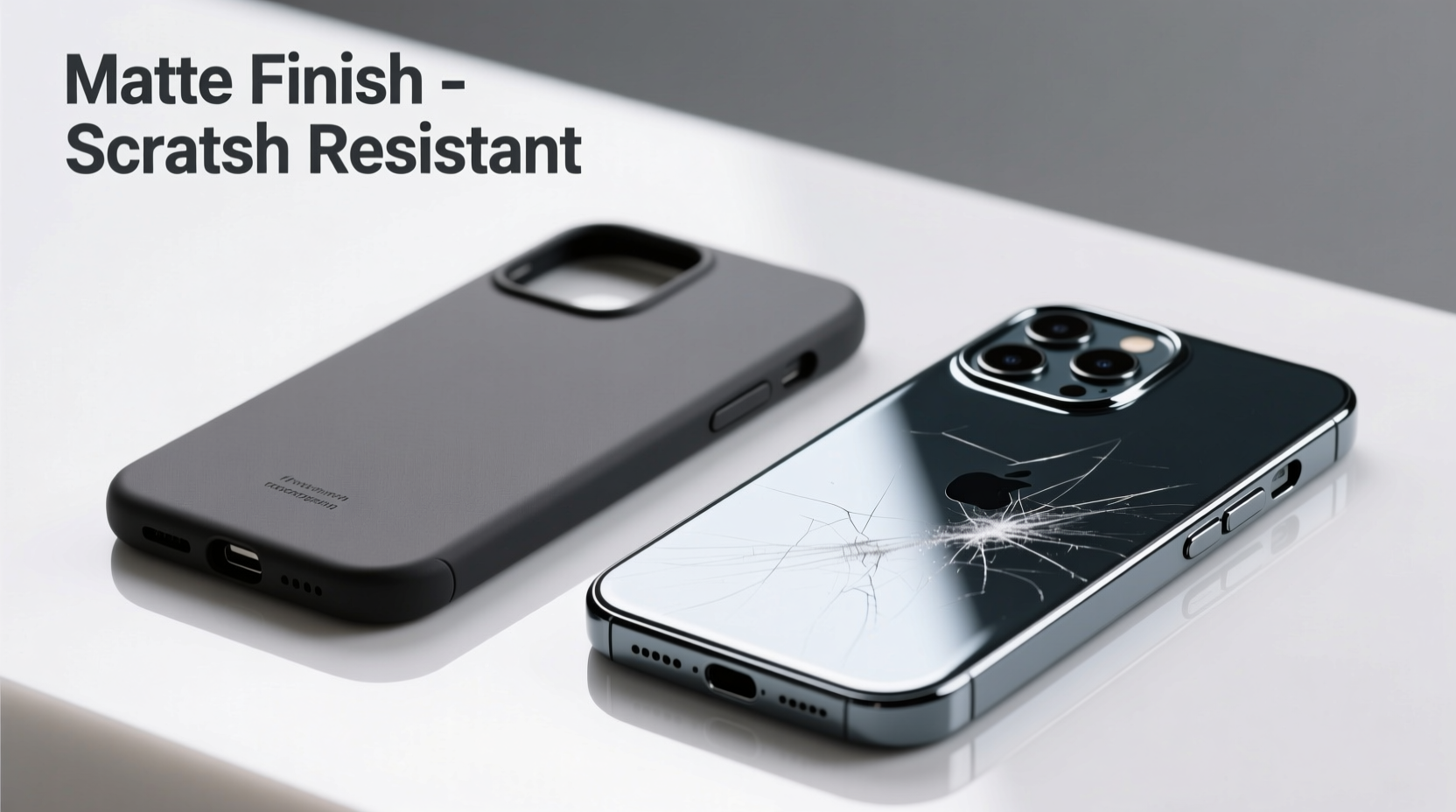
Phone case finishes are not merely about shine—they reflect underlying material treatments and manufacturing processes that directly influence durability. Matte and glossy coatings are applied through different methods, each affecting how light interacts with the surface and how it responds to friction, pressure, and environmental exposure.
Glossy finishes typically involve a smooth, high-gloss polymer layer applied over plastic or silicone bases. This creates a reflective surface that enhances color vibrancy and gives a premium feel. However, this smoothness also makes microscopic imperfections more visible. Even minor abrasions scatter light differently than the surrounding area, creating what users perceive as “scratches.”
Matte finishes, by contrast, use textured coatings or micro-ridged surfaces designed to diffuse light evenly. These textures reduce glare and hide fine marks because they don’t reflect light uniformly. The result is a surface that appears cleaner longer—even if it sustains similar levels of micro-abrasion as a glossy counterpart.
“Surface texture plays a critical role in perceived durability. A matte finish doesn’t necessarily resist physical damage better, but it masks wear far more effectively.” — Dr. Lena Park, Materials Scientist at TechShield Labs
Comparative Scratch Resistance: Real-World Performance
To assess how matte and glossy phone cases hold up, independent labs and consumer testers have conducted controlled experiments using standardized abrasion tests (such as ASTM D1044 for haze measurement after abrasion). Results consistently show that while both finishes suffer similar levels of actual surface degradation under mechanical stress, the visual impact differs dramatically.
In side-by-side testing:
- Glossy cases showed noticeable fine-line scratches after just 5–7 days of normal use—keys in pockets, placement on rough surfaces, and frequent handling contributed to early wear.
- Matte-finished cases from the same manufacturer and material base exhibited fewer visible signs of wear after four weeks, despite undergoing identical usage patterns.
This discrepancy arises because glossy surfaces act like mirrors: any disruption in the smooth plane becomes glaringly obvious. Matte surfaces, due to their non-reflective nature, scatter incident light, making small abrasions blend into the background texture.
Detailed Comparison Table: Matte vs Glossy Phone Case Finishes
| Feature | Matte Finish | Glossy Finish |
|---|---|---|
| Scratch Visibility | Low – scratches blend into texture | High – scratches highly visible due to reflection |
| Actual Scratch Resistance | Moderate – depends on base material | Moderate – similar base materials used |
| Fingerprint Resistance | Excellent – resists smudges | Poor – shows oils easily |
| Tactile Feel | Slightly grippy, less slippery | Smooth, prone to slipping |
| Dust & Lint Attraction | Moderate – static may attract particles | Low – smoother surface repels debris |
| Cleaning Ease | Easy – wipes clean without streaking | Moderate – requires lint-free cloth to avoid smears |
| Aesthetic Longevity | High – maintains clean look over time | Low – degrades quickly with daily use |
Common Misconceptions About Scratch Resistance
Many consumers assume that a shiny surface equates to higher quality or greater durability. This belief stems from early electronics marketing, where glossy finishes were associated with flagship devices and premium branding. However, gloss does not enhance hardness or resilience—it only affects appearance.
Another misconception is that matte finishes are inherently softer or more prone to cracking. In reality, the finish layer is typically a thin coating applied over the same polycarbonate, TPU, or hybrid base used in glossy versions. The core material determines drop protection and flexibility, not the surface treatment.
Some brands market \"scratch-resistant glossy coatings,\" often using hardcoat lacquers or UV-cured polymers. While these do improve surface hardness slightly, they remain vulnerable to micro-scratching from sand particles, denim fibers, and metal objects. Once compromised, the coating cannot self-repair, unlike some flexible TPU layers beneath.
Case Study: Six-Month User Experience Across Two Finishes
Jamie R., a graphic designer in Portland, tested two identical OtterBox Symmetry cases—one matte black, one glossy clear—on her iPhone 14 Pro over six months. Both phones were used identically: carried in pockets, placed on desks, transported in work bags with pens and chargers.
After three months:
- The glossy case developed spiderweb-like micro-scratches across the back, particularly near the camera cutout.
- The matte version showed faint dull spots from repeated contact with a leather wallet but no distinct lines.
At six months:
- The glossy case appeared heavily worn, with yellowing around edges and deep scuffs that caught fingernails.
- The matte case retained a consistent tone and texture, requiring only weekly wipe-downs with a damp cloth to restore appearance.
Jamie concluded: “I expected the glossy one to last longer because it felt stiffer. But it looked old fast. The matte one still looks usable—I wouldn’t be embarrassed to hand my phone to a client.”
How to Maximize Scratch Resistance Regardless of Finish
No phone case is immune to wear, but proper habits can extend the life of either finish. Here’s a step-by-step guide to minimizing damage:
- Use a screen protector and raised bezel case: Ensures the screen and back panel don’t make direct contact with flat surfaces.
- Avoid loose storage with metal objects: Keep phones separate from keys, coins, or multitools in pockets or bags.
- Clean regularly with appropriate tools: Use a microfiber cloth; avoid paper towels or abrasive wipes that can induce micro-scratches.
- Wash with mild soap and water monthly: Removes grit buildup that acts as an abrasive agent during daily handling.
- Rotate between cases if possible: Allows materials to recover and reduces continuous stress on one unit.
- Replace when structural integrity declines: Cracks, warping, or peeling indicate reduced protection, regardless of cosmetic state.
Checklist: Maintaining Your Phone Case Finish
- ✅ Wipe down case weekly with dry microfiber cloth
- ✅ Remove case monthly for thorough cleaning
- ✅ Inspect for cracks or edge lifting
- ✅ Avoid alcohol-based cleaners on glossy surfaces
- ✅ Store phone in dedicated compartment, not loose in bag
- ✅ Consider a tempered glass skin for extra back protection
FAQ: Common Questions About Matte vs Glossy Finishes
Do matte phone cases get dirty faster?
Not inherently. While matte surfaces may attract lint due to slight static charge, they resist fingerprints and smudges far better than glossy ones. Regular wiping eliminates most debris. Some textured matte finishes can trap dust in grooves, so occasional rinsing helps maintain freshness.
Can I add a matte coating to a glossy case?
Yes, aftermarket liquid matte sprays exist, though results vary. These create a temporary frosted layer that masks scratches but wears off unevenly over time. Professional dip-coating services offer longer-lasting solutions but cost more than replacing the case outright.
Are hybrid finishes a good compromise?
Hybrid designs—like matte bodies with glossy accents—can balance aesthetics and function. However, the glossy sections remain vulnerable. For maximum scratch concealment, fully matte remains superior. Some newer models use nano-textured coatings that mimic matte appearance without graininess, offering improved longevity.
Expert Insight: Why Perception Matters in Durability
Durability isn’t solely about physical endurance—it includes how well a product maintains its intended appearance. A case might protect against drops perfectly yet feel unsatisfying if it looks battered within weeks.
“A product’s perceived quality often outweighs its technical specs in consumer satisfaction. Matte finishes succeed by managing expectations: they age gracefully rather than failing suddenly.” — Mark Tran, Industrial Designer at MobileArmor Inc.
This principle explains why many premium brands now favor soft-touch matte exteriors. They align with modern preferences for understated elegance and low maintenance, especially among professionals and frequent travelers.
Final Recommendation: Choosing Based on Lifestyle
The choice between matte and glossy should align with your habits, not just taste. Consider these scenarios:
- You're rough on devices: Choose matte. It hides scratches and feels more secure in hand.
- You value aesthetics over time: Matte wins again for long-term visual consistency.
- You prefer vibrant colors and reflections: Glossy offers richer visuals initially, but expect fading and scratching within 2–3 months.
- You use your phone professionally: A clean-looking matte case projects polish and attention to detail.
If you prioritize scratch resistance and sustained appearance, matte is objectively the better option. Glossy finishes serve best for short-term use, photo-centric styling, or situations where visual flair trumps longevity.
Conclusion
When it comes to resisting scratches, the matte finish outperforms glossy—not because it’s physically harder, but because it conceals wear far more effectively. Combined with better grip, fingerprint resistance, and professional aesthetics, matte emerges as the practical choice for most users. While glossy cases dazzle at first glance, their rapid decline in appearance makes them less suitable for everyday reliability.
Protecting your investment goes beyond shock absorption. It includes preserving the look and feel of your device over time. By selecting a matte-finished case and following simple maintenance steps, you ensure your phone stays presentable, functional, and protected for months—or even years—without looking prematurely aged.




 浙公网安备
33010002000092号
浙公网安备
33010002000092号 浙B2-20120091-4
Comments
No comments yet. Why don't you start the discussion?