
In a world where distractions are constant and time feels increasingly scarce, the act of planning has become not just a habit, but a necessity. Yet many people overlook a simple truth: how you organize your planner can directly influence how much you accomplish each day. It’s not enough to write tasks down—your system must be intuitive, inspiring, and efficient. This is where designer notebook accessories come in. Far from mere aesthetic additions, these tools can transform your planner from a cluttered log into a powerful engine for productivity.
When thoughtfully selected and strategically used, accessories like pen holders, page flags, washi tapes, and custom inserts create structure, reduce decision fatigue, and keep your focus sharp. The goal isn’t perfection—it’s sustainability. A well-organized planner should support your rhythm, not fight against it.
The Role of Design in Daily Productivity
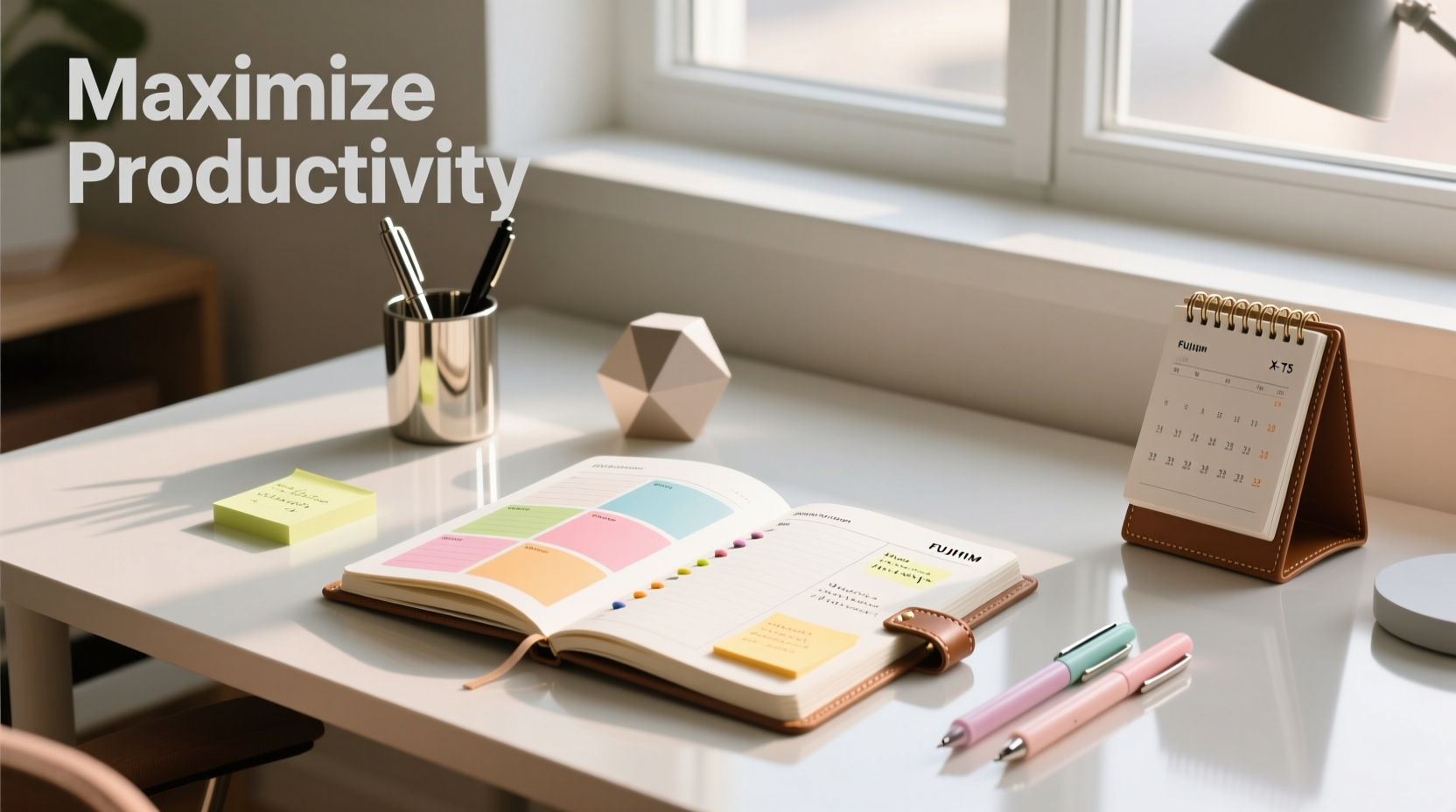
Design influences behavior. A visually appealing, logically structured planner encourages consistent use. Studies in environmental psychology show that organized spaces lead to clearer thinking and better task management. When your planner feels like a tool you *want* to open—not one you dread—your odds of sticking with it increase dramatically.
Designer accessories elevate functionality through thoughtful design. For example, color-coded tabs help you instantly locate weekly spreads, while magnetic bookmarks prevent pages from curling or tearing. These aren’t luxuries; they’re enablers of efficiency.
“Clarity in organization reduces cognitive load. When your tools are intuitive, your brain conserves energy for actual work.” — Dr. Lena Torres, Cognitive Psychologist & Time Management Researcher
Essential Designer Notebook Accessories for Maximum Efficiency
Not all planner accessories are created equal. To maximize productivity, choose items that serve both form and function. Below is a breakdown of the most impactful tools and how to use them strategically.
| Accessory | Function | Productivity Benefit |
|---|---|---|
| Refillable Pen Loop | Keeps writing tools attached | Eliminates time wasted searching for pens |
| Washi Tape (Color-Coded) | Highlights sections or deadlines | Visual cues speed up information retrieval |
| Magnetic Page Flags | Mark priority pages or upcoming events | Reduces flipping through irrelevant spreads |
| Expandable Pocket Insert | Holds receipts, sticky notes, or printouts | Centralizes loose materials, minimizing clutter |
| Custom Monthly Dashboard Stickers | Pre-designed layout for goals and habits | Saves setup time and ensures consistency |
Step-by-Step Guide: Building Your Optimized Planner System
Creating an effective planner setup doesn’t happen overnight. Follow this sequence to build a sustainable, high-performance system tailored to your workflow.
- Assess Your Needs: Identify your primary planning challenges—are you missing deadlines? Overloading days? Losing track of goals?
- Choose the Right Planner Base: Opt for a customizable notebook like a disc-bound or ring-bound system that allows reordering and adding inserts.
- Select Functional Accessories: Pick 3–5 accessories that address your top pain points (e.g., page flags for missed appointments).
- Create a Weekly Setup Routine: Dedicate 20 minutes every Sunday to prep your week—add events, assign priorities, apply color codes.
- Test and Refine: Use the system for two weeks, then adjust based on what felt cumbersome or underused.
This method ensures your planner evolves with your habits rather than forcing you into a rigid mold.
Real Example: From Overwhelmed to In Control
Sarah, a freelance graphic designer, used to juggle client deadlines across digital calendars, sticky notes, and a neglected paper planner. She often double-booked meetings or forgot small but critical tasks. After investing in a premium A5 notebook with designer accessories—specifically, a pen loop, color-coded tab stickers, and a monthly dashboard insert—she rebuilt her system.
She began using blue washi tape for client work, green for personal projects, and red flags for urgent deadlines. Every Sunday, she set up her weekly spread using pre-printed habit trackers and priority boxes. Within a month, her on-time delivery rate improved by 40%, and she reported feeling “less reactive, more intentional.”
The change wasn’t due to working longer hours—it came from having a single, reliable source of truth that was both functional and enjoyable to use.
Checklist: Planner Optimization Audit
Use this checklist monthly to ensure your planner remains a productivity asset, not a relic.
- ✅ All scheduled events are logged in one place
- ✅ Priority tasks are marked clearly (star, highlight, flag)
- ✅ Accessories are in good condition and functional (no broken clips or dried-out pens)
- ✅ Weekly review completed with next week’s schedule drafted
- ✅ Unused pages or outdated inserts removed or archived
- ✅ Color-coding system still makes sense and is consistently applied
- ✅ Emergency contacts or key references are accessible in the back pocket
Avoid These Common Planner Pitfalls
Even the most beautiful planner can fail if misused. Be mindful of these frequent mistakes:
- Overcustomizing: Spending more time decorating than planning defeats the purpose.
- Using Non-Compatible Accessories: Thick sticker layers can prevent notebooks from closing; oversized pockets add bulk.
- Inconsistent Reviewing: A planner only works if you interact with it daily.
- Ignoring Ergonomics: If your notebook is too heavy or awkward to carry, you won’t use it on the go.
Frequently Asked Questions
Do designer accessories really improve productivity, or are they just decorative?
While aesthetics play a role in motivation, high-quality accessories are engineered for utility. Magnetic bookmarks, refillable pen loops, and structured dashboards save time and reduce friction in daily use. When designed well, they enhance both efficiency and consistency.
How do I choose the right accessories for my planner size?
Always match accessory dimensions to your notebook format (A5, B6, etc.). Measure before purchasing. Also, consider binding type—disc-bound systems work best with punched inserts, while leather journals may require adhesive-based add-ons.
Can digital tools replace a physical planner with accessories?
Digital planners excel at reminders and syncing, but tactile engagement with a physical notebook improves memory retention and focus. Many professionals use a hybrid model: digital for scheduling, analog for deep planning and reflection. Designer accessories make the analog side more effective.
Conclusion: Turn Your Planner Into a Productivity Powerhouse
Maximizing productivity isn’t about doing more—it’s about designing systems that make the right actions easier. Your planner is one of the most personal tools you own, and when enhanced with intelligent, well-chosen accessories, it becomes far more than a notebook. It becomes a command center for your ambitions, a quiet ally in your daily progress.
The goal isn’t to have the most Instagram-worthy spread, but the most functional one. Start small: pick one accessory that solves a real problem, integrate it deliberately, and observe the difference. Over time, build a system that reflects your priorities, supports your pace, and keeps you focused on what truly matters.




 浙公网安备
33010002000092号
浙公网安备
33010002000092号 浙B2-20120091-4
Comments
No comments yet. Why don't you start the discussion?