
A large canvas tote bag is one of the most versatile accessories you can own. Whether you're commuting to work, running errands, heading to the beach, or embarking on a weekend getaway, its durability and roomy interior make it a go-to choice. But without a thoughtful packing strategy, even the largest tote can become disorganized, overstuffed, and difficult to carry. The key isn’t just having space—it’s using it wisely. With smart techniques, you can maximize every inch, keep essentials accessible, and avoid the dreaded \"bottomless pit\" effect where items vanish into the depths.
Choose the Right Packing Method for Your Needs
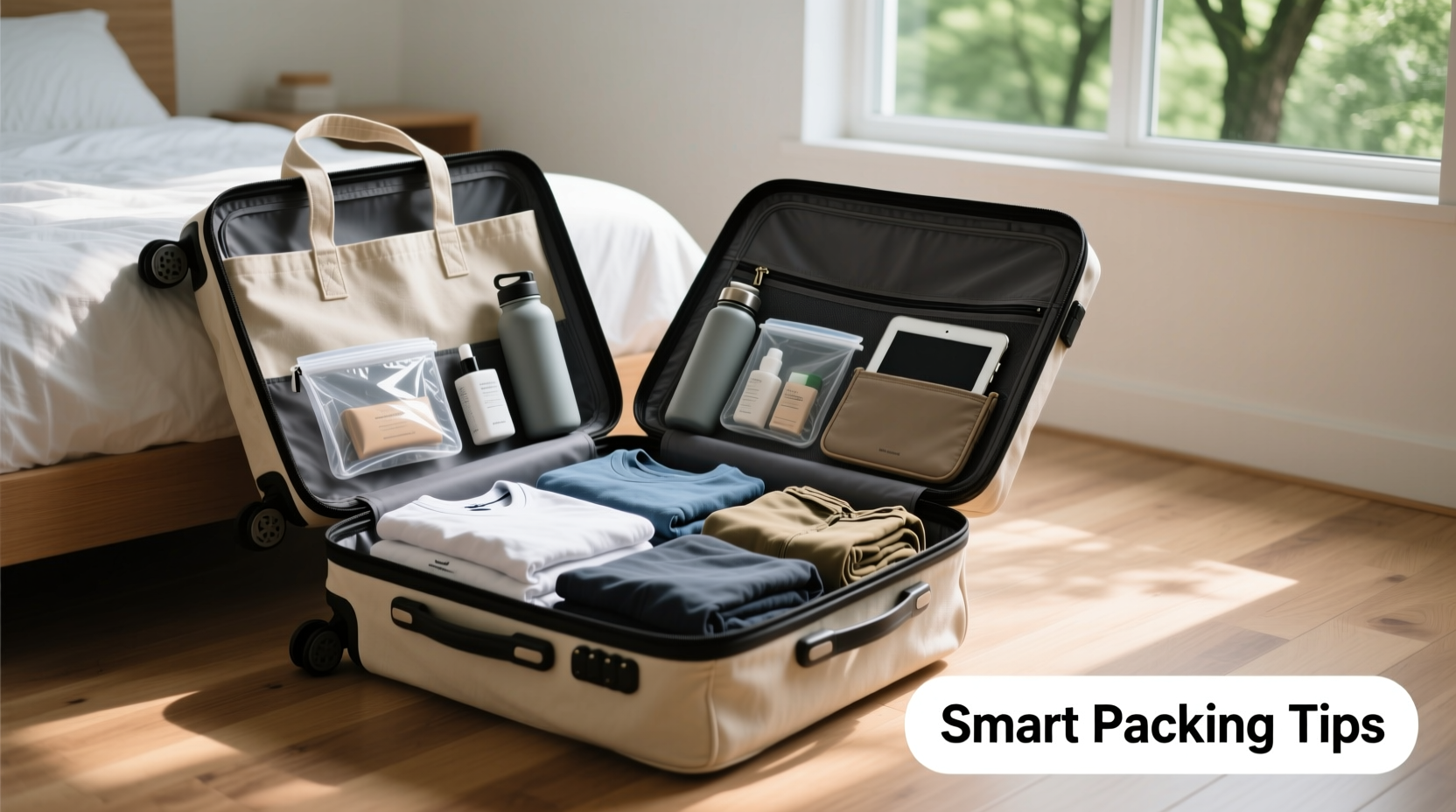
Packing a tote isn’t one-size-fits-all. The method you use should reflect your purpose: are you carrying gym clothes, groceries, office supplies, or travel essentials? Tailoring your approach ensures efficiency and balance.
For instance, if you’re using your tote for work, prioritize flat organization—laptops, notebooks, and folders should lie horizontally to prevent damage and maintain structure. If it’s for shopping, consider weight distribution: heavier items like canned goods should rest at the bottom, close to the center, to avoid straining the handles.
Master the Art of Layered Packing
Think of your tote as a layered system rather than a single dumping ground. Structured layering improves accessibility and prevents clutter. Start with a base layer of heavy or bulky items, then build upward with lighter, frequently used objects.
- Base Layer: Books, laptops, water bottles, or grocery items that need stability.
- Middle Layer: Medium-weight items like jackets, lunch containers, or toiletry kits.
- Top Layer: Essentials you’ll need quick access to—wallet, phone, keys, sunglasses.
This method keeps the bag balanced and prevents top-heaviness, which can cause tipping or shoulder strain when carried.
Real-Life Example: The Commuter’s Tote
Sarah, a graphic designer in Portland, uses her large canvas tote daily for her 45-minute bike commute. She once struggled with disorganization—her sketchbook would get smudged by her packed lunch, and her laptop charger was always buried. After adopting layered packing, she now places her laptop in a padded sleeve at the bottom, followed by her folded jacket. Her lunch goes in a separate insulated pouch centered above, and her sketchbook rests horizontally on top. A small zippered pouch for pens and chargers sits near the opening. This system cut her morning prep time in half and eliminated damaged items.
Use Internal Organization Tools
Canvas totes rarely come with built-in compartments, but that doesn’t mean you have to go without them. Introducing organizational tools transforms a simple sack into a functional system.
- Zippered Pouches: Ideal for small items like cords, makeup, or snacks.
- Mesh Drawstring Bags: Allow visibility while grouping similar items (e.g., toiletries).
- Foldable Tote Inserts: Rigid or semi-rigid organizers maintain shape and create vertical separation.
- Mini Backpacks or Clutch Bags: Use smaller bags inside your tote to compartmentalize roles (work vs. personal).
These tools not only protect contents but also make unpacking and repacking faster—especially useful when transitioning from office to errands to home.
| Organizer Type | Best For | Tips |
|---|---|---|
| Zip Pouch | Chargers, cosmetics, stationery | Label with masking tape for quick ID |
| Insulated Sleeve | Lunch, beverages | Prevent leaks with double-bagging |
| File Folder Pouch | Documents, notebooks, tablets | Use one with a handle for easy removal |
| Expandable Mesh Bag | Gym clothes, produce | Hang to air out after use |
Optimize Space with Folding and Rolling Techniques
How you fold or roll items dramatically affects how much you can fit—and how easily you can retrieve them. Traditional folding often creates thick stacks that shift and bulge. Alternative methods offer better compression and organization.
The KonMari Fold: Popularized by Marie Kondo, this technique involves folding clothing into compact rectangles that stand upright. When placed vertically in your tote, you can see each item at a glance—no more digging.
Rolling for Soft Goods: Towels, sweaters, and t-shirts roll tightly and resist creasing. Rolled items can be arranged side-by-side like logs in a firewood stack, maximizing horizontal space.
Bundle Wrapping: For delicate or layered outfits, wrap garments around a central core (like a toiletry kit). This minimizes wrinkles and keeps coordinated pieces together.
“Efficient packing starts with understanding volume, not just capacity. How you shape your items determines how much you can truly carry.” — Lena Torres, Travel Organizer & Productivity Coach
Step-by-Step: How to Pack Your Tote in Under 5 Minutes
Follow this streamlined process to pack efficiently every time:
- Gather Everything First: Lay out all intended items on a flat surface.
- Categorize by Frequency: Separate “need now” (keys, phone) from “need later” (lunch, book).
- Pre-Pack Small Items: Place loose objects into designated pouches or containers.
- Load Base Layer: Add heaviest items first, centered over the tote’s base.
- Add Middle Section: Insert medium-weight items, ensuring balance on both sides.
- Place Top Items: Keep daily essentials near the top or in an outer pocket.
- Check Balance: Lift the tote by the handles—does it tilt? Adjust until evenly distributed.
- Final Scan: Confirm nothing sharp or leak-prone is exposed.
Packing Checklist for Maximum Efficiency
Use this checklist before each outing to ensure optimal organization:
- ✅ Designate a dedicated pouch for electronics and cords
- ✅ Fold or roll clothing instead of stuffing loosely
- ✅ Place fragile items between soft layers (e.g., sweater above laptop)
- ✅ Use a reusable shopping bag inside for grocery runs
- ✅ Secure zippers and snaps to prevent snagging
- ✅ Weigh the loaded tote—should feel manageable for extended carry
- ✅ Wipe down the interior monthly to remove crumbs and dust
Common Mistakes That Waste Space
Even experienced tote users fall into these traps:
- Overloading the Handles: Hanging too many items (umbrella, water bottle, market bag) throws off balance.
- Mixing Wet and Dry Items: A damp swimsuit can ruin paperwork unless properly sealed.
- Ignoring Weight Distribution: Heavy items on one side cause tilting and strain.
- Using No Dividers: Without internal structure, everything collapses into chaos.
- Carrying Unnecessary Items: Regularly audit your tote to remove unused or expired things.
FAQ: Smart Packing for Canvas Totes
Can I wash my canvas tote regularly?
Yes, but sparingly. Most canvas totes can be hand-washed with mild detergent and air-dried. Frequent washing may weaken fibers or cause shrinkage. Spot-clean stains when possible, and never machine-dry.
How do I prevent my tote from sagging?
Sagging often results from uneven weight or lack of structure. Use a removable insert or fold a lightweight file folder into the sides to reinforce shape. Avoid overfilling beyond the tote’s natural height.
Are there eco-friendly ways to organize a tote?
Absolutely. Opt for organizers made from recycled cotton, organic linen, or repurposed fabric. Old pillowcases, scarves, or denim pockets can be upcycled into custom pouches—functional and sustainable.
Conclusion: Turn Chaos Into Control
Your large canvas tote doesn’t have to be a black hole of forgotten receipts and tangled earphones. With intentional layering, smart folding, and a few well-chosen organizers, you can transform it into a model of efficiency. The goal isn’t just to fit more—it’s to carry better, access faster, and stress less. These strategies aren’t temporary fixes; they’re habits that compound over time, making every journey smoother and more enjoyable.




 浙公网安备
33010002000092号
浙公网安备
33010002000092号 浙B2-20120091-4
Comments
No comments yet. Why don't you start the discussion?