
Training in a hoodie isn’t just about style—it’s a strategic choice that can enhance muscle activation, regulate body temperature, and improve mental focus during workouts. Once dismissed as purely streetwear, hooded long sleeves have evolved into performance gear trusted by athletes, fitness enthusiasts, and trainers worldwide. When chosen wisely and worn appropriately, they offer tangible benefits that go beyond aesthetics. This guide breaks down the science, strategy, and selection process behind optimizing your training with hooded long sleeves.
The Science Behind Training in Hoodies
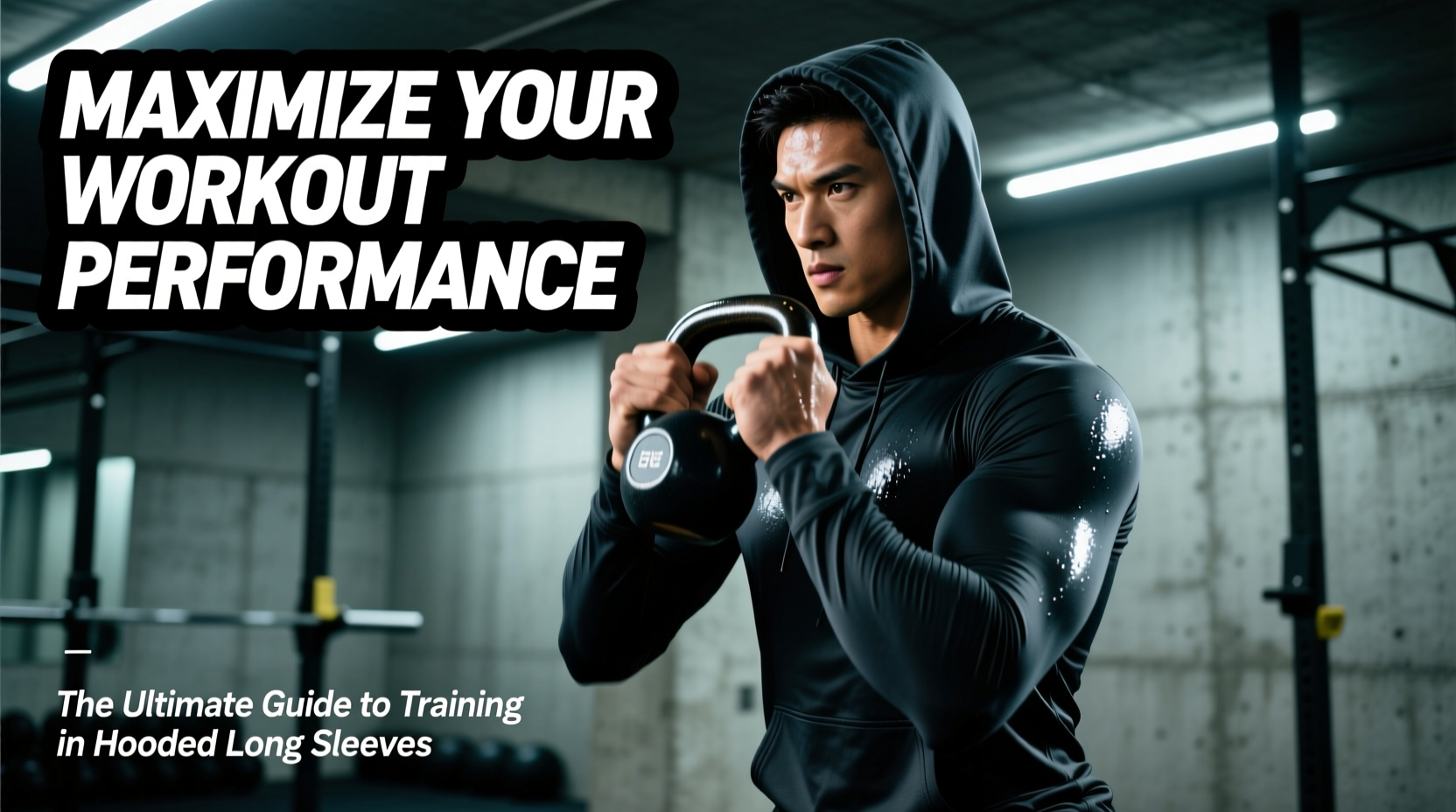
Hooded long sleeves influence both physiological and psychological aspects of exercise. The added layer increases thermal load, prompting your body to work harder to cool itself. This leads to elevated heart rate and increased sweat production—even at lower intensities. While this may sound counterproductive, it has specific advantages when used intentionally.
Studies on thermogenic training suggest that moderate heat stress can stimulate blood flow, enhance cardiovascular conditioning, and promote the release of heat shock proteins, which aid in muscle recovery. A 2021 study published in the Journal of Strength and Conditioning Research found that athletes who trained in lightweight thermal layers showed improved capillary density and endurance adaptation over six weeks compared to those in standard gym attire.
“Wearing thermal clothing like hooded long sleeves during warm-ups or low-to-moderate intensity sessions can prime the body for performance by increasing core temperature and neuromuscular readiness.” — Dr. Lena Torres, Sports Physiologist
Additionally, the psychological effect of feeling “covered” or “armored” in a hoodie can boost confidence and focus. Many lifters report entering a more aggressive, determined mindset when wearing one—especially during heavy sets or high-intensity intervals.
Choosing the Right Hooded Long Sleeve for Performance
Not all hoodies are built for movement. Cotton-heavy blends trap moisture, restrict mobility, and become heavy when soaked in sweat. To maximize performance, prioritize technical fabrics engineered for athletic use.
| Fabric Type | Pros | Cons |
|---|---|---|
| Polyester-Spandex Blend | Moisture-wicking, stretchable, durable | Less breathable than natural fibers if poorly ventilated |
| Nylon-Rayon Mix | Lightweight, soft, quick-drying | May pill over time with friction |
| Merino Wool (Blended) | Naturally antimicrobial, temperature-regulating | Higher cost, requires delicate care |
| 100% Cotton | Affordable, soft feel | Retains sweat, loses shape, poor breathability |
Look for features like raglan sleeves for unrestricted shoulder motion, thumbholes to keep cuffs in place, and mesh underarms for ventilation. The hood should be snug but not obstructive—ideally designed to stay in place during dynamic movements without impairing peripheral vision.
When and How to Use Hooded Long Sleeves Effectively
The key to leveraging a hooded long sleeve is timing and context. Using it incorrectly can lead to overheating, dehydration, or reduced performance. Below is a step-by-step approach to integrating it into your routine strategically.
- Warm-Up Activation (5–15 minutes): Wear the hoodie during dynamic stretching or light cardio to elevate core temperature faster. This prepares muscles for explosive movements and reduces injury risk.
- Strength Circuits (Moderate Sets): Use during supersets or drop sets where maintaining muscle pump is beneficial. The compression-like sensation can enhance proprioception.
- Cool-Down Transition: Keep it on post-workout to prevent sudden drops in body temperature, especially outdoors or in air-conditioned gyms.
- Avoid During Peak Cardio: Steer clear of intense sprints or HIIT blocks where heat dissipation is critical. Overheating can impair VO₂ max output and increase fatigue.
Outdoor winter athletes particularly benefit from hooded long sleeves. Runners, calisthenics practitioners, and CrossFit competitors often wear them during early morning sessions when ambient temperatures are below 50°F (10°C). The hoodie acts as a mid-layer beneath a windbreaker or as a standalone piece once warmed up.
Real-World Example: Alex’s Powerlifting Prep Routine
Alex Rivera, a competitive powerlifter based in Denver, incorporates a performance-grade hooded long sleeve into his competition prep. During winter months, he trains at 5 a.m. in an unheated warehouse gym. His routine starts with five minutes on the rowing machine wearing the hoodie, followed by banded mobility drills—all while keeping the layer on.
“I notice my back and shoulders feel ‘awake’ much faster,” Alex explains. “By the time I unrack the bar for deadlifts, my nervous system is primed. I’ve also reduced my warm-up time by nearly 30% since using it consistently.”
He opts for a fitted, moisture-wicking black hoodie with flatlock seams to prevent chafing. On meet day, he wears it backstage to maintain muscle temperature between attempts—a tactic borrowed from Olympic weightlifting circles.
Performance Checklist: Optimizing Your Hoodie Workout
- ✅ Choose a technical fabric with moisture-wicking properties
- ✅ Ensure full range of motion in shoulders and arms
- ✅ Use primarily during warm-ups, strength sets, or cold environments
- ✅ Avoid prolonged use in hot or humid conditions
- ✅ Stay hydrated—increased sweating demands higher fluid intake
- ✅ Wash after every 2–3 uses to maintain fabric integrity and hygiene
- ✅ Pair with breathable base layers if stacking garments
Frequently Asked Questions
Can wearing a hoodie help me burn more calories?
Temporarily, yes—but not in the way most assume. You may lose more water weight through sweat, but true fat burning depends on total energy expenditure, not heat retention. However, slightly elevated heart rate from thermal load can contribute to marginal calorie increase during low-intensity sessions. Do not rely on this for weight loss; focus on nutrition and progressive overload instead.
Is it safe to train in a hoodie every day?
Yes, as long as you monitor body temperature and hydration. If you experience dizziness, nausea, or excessive fatigue, remove the layer immediately. Individuals with cardiovascular conditions should consult a physician before regular use of thermal clothing during exercise.
Do hoodies improve muscle gains?
Not directly. However, by enhancing warm-up efficiency and promoting better blood flow to working muscles, they can support optimal training conditions. Combined with proper programming and recovery, they become a small but useful tool in the performance ecosystem.
Final Thoughts: Elevate Your Training, One Layer at a Time
Training in a hooded long sleeve is more than a fashion statement—it’s a deliberate performance decision rooted in physiology and practicality. When selected and used correctly, it enhances preparation, supports muscle function, and sharpens mental focus. The best part? It requires no additional equipment, supplements, or drastic changes to your routine.
Start by evaluating your current workout apparel. Is it supporting your goals—or just taking up space in your gym bag? Swap out cotton hoodies for performance-driven alternatives, experiment with timing, and observe how your body responds. Small adjustments often yield outsized results.




 浙公网安备
33010002000092号
浙公网安备
33010002000092号 浙B2-20120091-4
Comments
No comments yet. Why don't you start the discussion?