
In an era where portability defines functionality, the small details matter most. Among these are AirPods charging cases—compact, essential, and surprisingly vulnerable to wear, loss, or clutter when left unmanaged. While many focus on protecting the earbuds themselves, the case often gets overlooked. Yet, it plays a critical role in battery life, cleanliness, and overall longevity. The solution? Compact, intentional storage systems designed specifically for AirPods covers. These aren’t just about tidiness—they’re about maximizing daily convenience, minimizing stress, and extending the life of one of your most-used tech accessories.
Why Proper Storage Matters for AirPods Covers
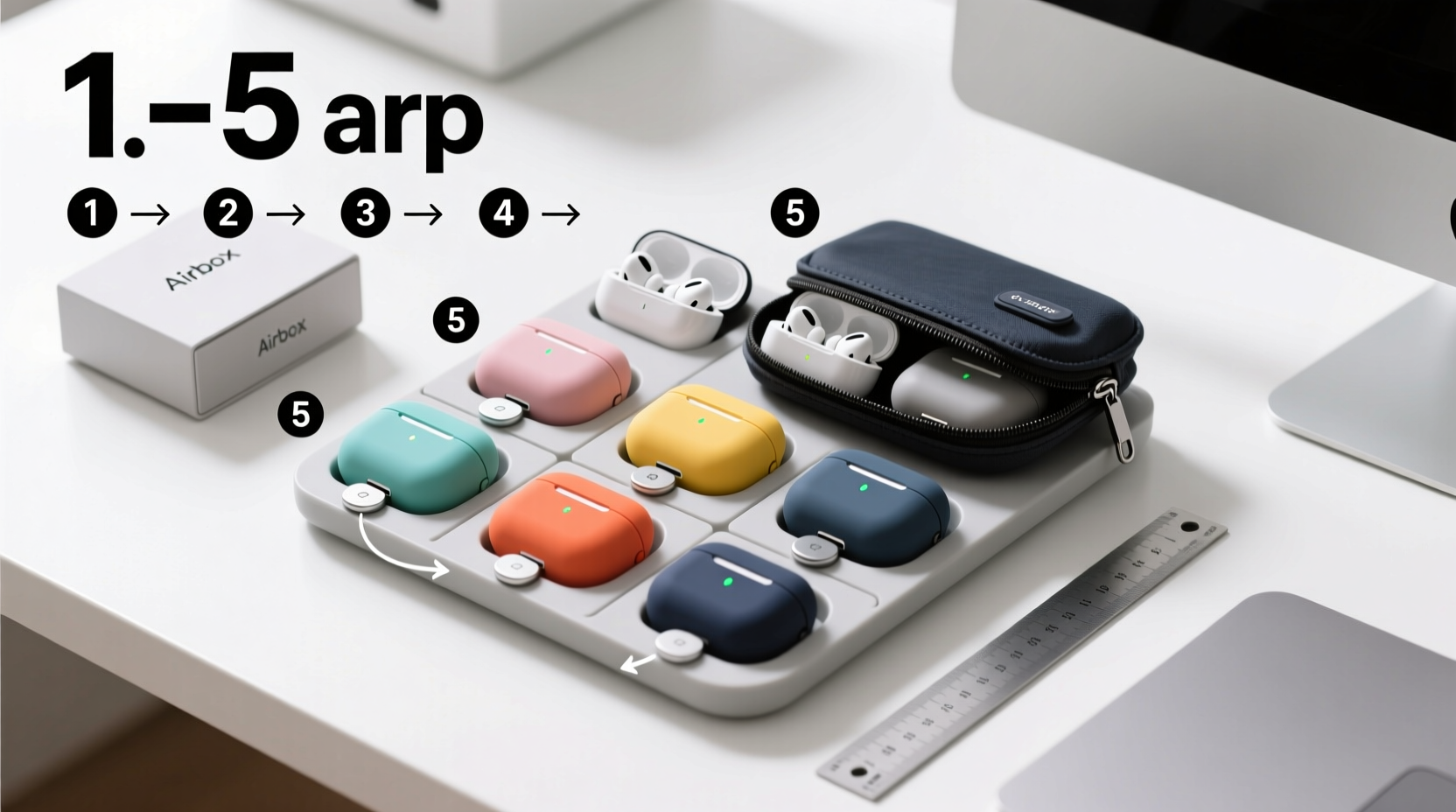
AirPods cases are engineered for protection during transit, but they weren’t designed to survive constant tossing into bags, pockets, or drawers. Over time, exposure to dust, moisture, impact, and pressure can compromise both the exterior finish and internal electronics. Scratches on the lid may seem minor, but they can expose sensitive components to debris. A cracked hinge could lead to unreliable charging. And losing the case entirely means replacing not just the housing, but potentially the AirPods inside.
According to a 2023 consumer electronics survey by TechCare Insights, nearly 43% of AirPods owners reported damaging or misplacing their case within the first year of ownership. Many cited disorganization and lack of designated storage as primary causes.
“Most people treat their AirPods case like a disposable item. But proper storage can extend its functional lifespan by over 70%.” — Dr. Lena Patel, Senior Product Durability Analyst at iGadget Labs
Compact storage solutions address this gap. They offer structured protection while fitting seamlessly into modern lifestyles—whether you're commuting, traveling, or simply organizing your workspace.
The Step-by-Step Guide to Using Compact Storage Solutions
Adopting a smart storage routine doesn’t require a major overhaul. With a few deliberate choices and habits, you can significantly improve how you manage your AirPods cover every day.
- Assess Your Daily Routine
Determine where and how you use your AirPods. Do you carry them in a backpack? Keep them on your desk? Toss them into a coat pocket? Understanding your usage pattern helps identify the right storage type. - Choose the Right Compact Solution
Not all organizers are created equal. Evaluate options based on size, material, accessibility, and durability. Popular choices include silicone sleeves, magnetic keychain holders, multi-compartment tech pouches, and desktop docking stands. - Designate a Primary and Backup Location
Keep one storage unit in your everyday bag and a secondary one at home or in your car. This redundancy prevents last-minute scrambles when the case is misplaced. - Label or Customize for Quick Identification
If you own multiple devices or share spaces with others, personalize your storage with color coding, stickers, or engraved tags. This reduces confusion and retrieval time. - Integrate Into Charging Habits
Pair storage with charging. Always return the AirPods case to its designated spot after charging. This reinforces consistency and reduces the risk of leaving it behind.
Types of Compact Storage: Comparison & Recommendations
Different environments call for different solutions. Below is a comparison of common compact storage types to help you make an informed decision.
| Solution Type | Portability | Protection Level | Ideal For | Limits |
|---|---|---|---|---|
| Silicone Sleeve | High | Medium | Daily commutes, casual use | Limited scratch resistance; may attract lint |
| Magnetic Keychain Holder | Very High | Low-Medium | Active users, gym-goers, travelers | Minimal padding; not ideal for long-term storage |
| Mini Tech Pouch (Neoprene/Felt) | High | High | Students, professionals, frequent flyers | Requires dedicated space in a bag |
| Desktop Docking Stand | Low (Stationary) | High | Home office, bedside table | Not portable |
| Multi-Device Organizer Box | Medium | Very High | Families, hybrid workers, gadget collectors | Bulkier than single-item options |
For maximum versatility, consider combining two types—one portable (like a neoprene pouch) and one stationary (such as a docking stand). This dual-system approach ensures consistent protection across environments.
Real-Life Example: How Sarah Reduced Loss and Damage
Sarah Thompson, a freelance graphic designer from Portland, used to lose or damage an average of two AirPods cases per year. Her work involved moving between coffee shops, client offices, and her home studio. She frequently dropped the case into her tote bag alongside chargers, pens, and snacks, leading to scuffs and occasional lid malfunctions.
After reading about compact storage strategies, she invested in a slim neoprene tech sleeve with a zipper and attached a magnetic clip to her keychain for emergencies. She also placed a wooden docking station beside her monitor at home. Within six months, she hadn’t lost or damaged a single case. “It sounds minor,” she said, “but having a designated spot saved me over $200 in replacements and reduced my daily stress.”
Essential Tips for Long-Term Success
- Clean your storage unit monthly with a dry microfiber cloth to prevent dust buildup.
- Avoid exposing any storage solution to extreme temperatures—especially silicone sleeves near heaters or in direct sunlight.
- Replace worn-out organizers before they compromise protection. Signs include frayed seams, weak magnets, or loose fits.
- Use UV-C sanitizing boxes if storing in shared or high-touch areas to maintain hygiene.
Checklist: Optimizing Your AirPods Cover Storage System
Follow this actionable checklist to ensure your system is effective and sustainable:
- ☐ Identify your primary use case (travel, work, home)
- ☐ Select at least one portable and one stationary storage option
- ☐ Assign fixed locations for each storage unit
- ☐ Label or personalize to avoid mix-ups
- ☐ Test accessibility—can you retrieve the case quickly when needed?
- ☐ Integrate storage location with your charging routine
- ☐ Review condition of storage every 3 months
- ☐ Replace damaged or inefficient units promptly
Frequently Asked Questions
Can I use third-party cases with Apple’s compact storage accessories?
Yes, but check dimensions carefully. Aftermarket cases vary slightly in size and may not fit snugly in official or branded organizers. Stick to slim-profile designs for best compatibility.
Are magnetic holders safe for AirPods electronics?
Generally, yes. Most compact magnetic holders use low-strength magnets that do not interfere with Bluetooth signals or battery performance. However, avoid prolonged contact with strong industrial magnets or magnetic phone mounts designed for heavier devices.
How often should I replace my storage solution?
Inspect every 4–6 months. Replace immediately if there are signs of structural weakness, poor fit, or difficulty opening/closing. A failing organizer defeats the purpose of protection.
Final Thoughts: Small Changes, Big Impact
Protecting your AirPods case might seem like a minor concern in the grand scheme of tech maintenance. But in practice, it reflects a broader principle: intentionality breeds efficiency. By dedicating minimal space and effort to compact storage, you gain peace of mind, reduce replacement costs, and streamline your daily interactions with essential devices.
The most effective systems aren’t flashy—they’re functional, consistent, and seamlessly integrated into your existing habits. Whether you choose a sleek sleeve, a clever clip, or a minimalist dock, the goal remains the same: keep your AirPods cover safe, accessible, and ready when you need it.




 浙公网安备
33010002000092号
浙公网安备
33010002000092号 浙B2-20120091-4
Comments
No comments yet. Why don't you start the discussion?