
A desktop tissue box is more than just a container for tissues—it’s a small but powerful tool for maintaining hygiene, comfort, and order in personal and professional environments. Whether placed on a home office desk, reception counter, or bedside table, its placement and usage can significantly impact both convenience and cleanliness. Yet, many people overlook the strategic potential of this everyday item. With thoughtful positioning, proper maintenance, and smart habits, a simple tissue box can contribute to a healthier, more organized space.
Choose the Right Location Strategically
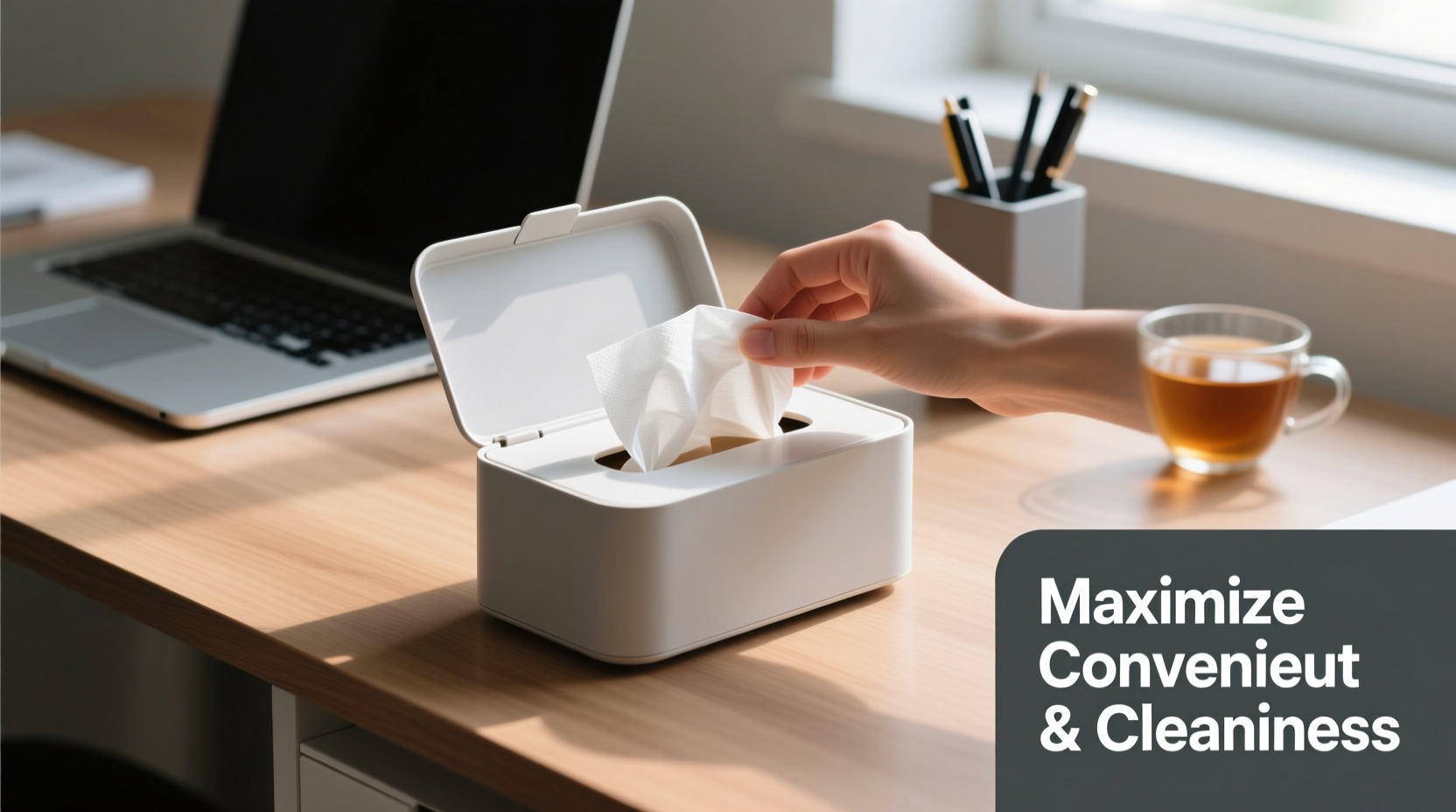
The first step in using a desktop tissue box effectively is selecting an optimal location. The ideal spot balances accessibility with containment—easy to reach when needed, but not so prominent that it becomes a visual clutter or hygiene risk.
In an office setting, place the tissue box within arm’s reach of frequently used areas—near the keyboard, phone, or reading lamp—but not directly in front of air vents or fans that could disperse loose fibers. In shared spaces like waiting rooms or lobbies, position boxes at multiple access points rather than relying on a single central dispenser.
For individuals with mobility challenges or those working from bed or a sofa, consider portable holders that clip onto armrests or trays. These maintain proximity without requiring constant leaning or stretching.
Maintain Hygiene Through Regular Replacement and Cleaning
A tissue box may seem low-maintenance, but over time, dust, skin cells, and airborne particles settle on both the exterior and inner tissues. Without regular upkeep, it can become a minor contamination source rather than a hygiene aid.
Replace the entire box every one to two weeks in high-use environments. Even if tissues remain inside, prolonged exposure to open air reduces their sanitary quality. Wipe down the outer surface weekly with a disinfectant wipe, especially if placed near frequently touched items like phones or keyboards.
“Tissue dispensers in shared workspaces should be treated like door handles—they’re contact points that require routine sanitization.” — Dr. Lena Patel, Occupational Health Consultant
If using a reusable tissue holder (such as bamboo, metal, or ceramic), remove all tissues before washing the container with warm, soapy water. Allow it to dry completely before refilling to avoid mold growth.
Step-by-Step Guide to Weekly Tissue Box Maintenance
- Remove any remaining tissues and dispose of them properly.
- Wipe the exterior and interior (if applicable) with a disinfectant wipe or damp cloth.
- For reusable containers, wash with mild soap and rinse thoroughly.
- Let the container air-dry completely—preferably overnight.
- Refill with a fresh pack of sealed tissues.
- Position back in its designated spot, ensuring it's level and stable.
Optimize Dispensing Efficiency
Poorly loaded tissue boxes often result in double pulls, jams, or complete collapse of the stack—frustrating outcomes that defeat the purpose of convenience. To ensure smooth, single-tissue extraction every time, follow loading best practices.
Always align the perforated edge of the tissue stack toward the opening. When inserting pre-packaged boxes into dispensers, confirm the pull direction matches the slot design. For pop-up styles, gently fluff the top tissue so it protrudes slightly, making it easy to grab without digging.
| Dispenser Type | Best Practice | Common Mistake |
|---|---|---|
| Standard Pop-Up Box | Fluff top tissue to expose edge | Pushing tissue too far down |
| Fold-Down Center Pull | Ensure middle fold faces up | Loading upside-down stack |
| Reusable Holder | Use individually separated tissues or fan-folded packs | Overpacking causes jamming |
Enhance Cleanliness with Companion Habits
The effectiveness of a desktop tissue box increases when paired with complementary hygiene behaviors. Simply having tissues available isn’t enough; users must also know how—and when—to use them appropriately.
Encourage prompt disposal after use. Keep a lined waste bin within 1–2 feet of the tissue box to discourage leaving used tissues on desks or shelves. In multi-user settings, include subtle signage such as “Please take one” or “Dispose after use” to promote mindful behavior.
- Pair tissues with hand sanitizer stations to reinforce respiratory etiquette.
- During cold and flu season, increase replacement frequency and add antiviral tissues if available.
- Educate children and guests on proper nose-blowing and disposal techniques to minimize germ spread.
Mini Case Study: Reducing Germ Transmission in a Small Law Firm
A 12-person legal office in Portland noticed a spike in seasonal illness among staff. After reviewing common touchpoints, they identified poorly maintained tissue boxes as a potential contributor. They replaced old cardboard dispensers with antimicrobial plastic ones, implemented a bi-weekly replacement schedule, and added small trash bins next to each workstation. Within three months, self-reported sick days dropped by 37%. Employees cited easier access to clean tissues and reduced clutter as key factors in improved daily hygiene.
Checklist: Using Your Desktop Tissue Box Effectively
- ✅ Place the tissue box within easy reach but away from direct airflow
- ✅ Use a raised platform or tray to protect surfaces from moisture
- ✅ Replace tissues every 1–2 weeks, even if not fully used
- ✅ Clean the dispenser weekly with disinfectant
- ✅ Load tissues correctly to ensure smooth, single-sheet dispensing
- ✅ Pair with a nearby waste bin for immediate disposal
- ✅ Educate household or office members on proper usage
- ✅ Consider antimicrobial or scented tissues for high-traffic areas
Frequently Asked Questions
How often should I replace my desktop tissue box?
In personal use settings, replace the box every two weeks or sooner if visibly dusty or damp. In shared environments like offices or waiting rooms, replace weekly or even more frequently during peak illness seasons.
Can I reuse a tissue box container?
Yes, reusable containers made of plastic, metal, or wood are safe to refill—as long as they are cleaned regularly and kept dry. Avoid reusing disposable cardboard boxes, as they absorb moisture and degrade quickly.
Are scented tissues worth using on a desk?
Scented tissues can provide a pleasant sensory experience, but use them cautiously. Strong fragrances may trigger headaches or allergies in sensitive individuals, especially in enclosed spaces. Opt for lightly scented or unscented versions in shared environments.
Conclusion: Turn a Simple Object Into a Hygiene Asset
A desktop tissue box is more than a passive accessory—it’s an active participant in daily health and organization. When used thoughtfully, it supports respiratory hygiene, reduces surface contamination, and enhances user comfort. By optimizing placement, maintaining cleanliness, and encouraging responsible habits, you transform a mundane object into a cornerstone of well-being.




 浙公网安备
33010002000092号
浙公网安备
33010002000092号 浙B2-20120091-4
Comments
No comments yet. Why don't you start the discussion?