
In today’s fast-paced world, smartphones are more than just communication tools—they’re digital wallets, navigation systems, productivity hubs, and personal assistants. With so much reliance on our devices, how we carry and access them matters. A phone case holder, whether magnetic, clip-on, or adhesive, can significantly improve both convenience and safety when used correctly. Yet many users overlook its potential or misuse it in ways that reduce effectiveness or even create hazards. This guide explores practical, expert-backed strategies to get the most from your phone case holder while minimizing risks.
Choosing the Right Holder for Your Lifestyle
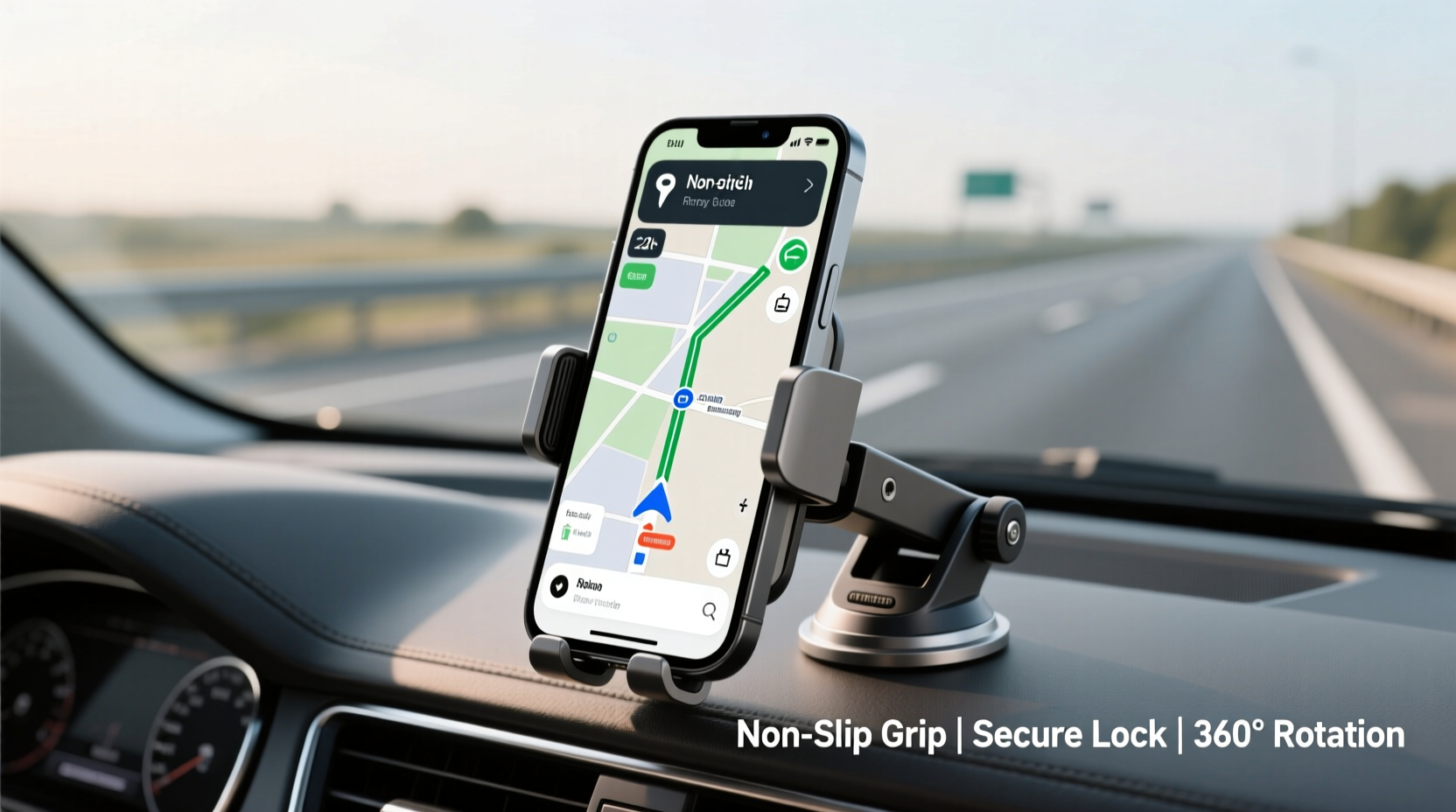
Not all phone case holders are created equal. The best choice depends on your daily routine, device size, and preferred carrying method. Common types include magnetic mounts, belt clips, car vent holders, and pocket-style holsters. Each has strengths and limitations.
| Holder Type | Best For | Limits |
|---|---|---|
| Magnetic Mount | Driving, kitchen use, frequent access | May interfere with credit cards or pacemakers |
| Belt Clip | Hands-free work (e.g., delivery, retail) | Can snag on objects; adds bulk |
| Adhesive Car Vent Holder | Navigation during commutes | Weak grip over time; blocks airflow |
| Pocket Holster | Active lifestyles, outdoor activities | Larger phones may not fit securely |
Selecting a holder should align with how you move through your day. For example, a delivery driver benefits from a rugged belt clip, while someone who frequently drives might prefer a magnetic dashboard mount.
Optimal Placement for Safety and Accessibility
Where you place your phone holder can make the difference between seamless use and constant frustration—or worse, danger. Poor positioning encourages distracted behavior, especially while driving or walking.
In vehicles, the ideal location is within the driver’s natural line of sight, typically near the center console or dashboard. It should allow glancing without requiring head turning or hand stretching. According to the National Highway Traffic Safety Administration (NHTSA), taking your eyes off the road for more than two seconds doubles the risk of a crash.
“Mounting your phone too far to the side forces cognitive and physical distraction. Center alignment supports safer driving habits.” — Dr. Lena Patel, Human Factors Researcher at MIT Transportation Lab
For wearable holders like belt clips, position the device on the front or side hip, screen facing inward or slightly angled. This reduces the chance of accidental drops and makes retrieval smoother. Avoid placing it at the small of the back—it increases strain and slows access.
Step-by-Step Guide to Installing a Magnetic Phone Holder
- Clean the surface: Use alcohol wipe to remove dust and oils from the back of your phone or case.
- Align the metal plate: Center it vertically on the lower half of the case for balance.
- Press firmly: Apply pressure for 30 seconds to ensure strong adhesion.
- Test hold strength: Attach to the mount and gently tilt to check stability.
- Adjust angle: Tilt the mount so the screen is readable without glare.
Avoiding Common Mistakes
Even well-intentioned users fall into habits that undermine the utility of their phone case holders. Awareness of these pitfalls leads to smarter usage.
- Overloading the holder: Attaching additional items (like keys or earbuds) to clip-on cases can throw off balance and cause drops.
- Ignoring environmental factors: Extreme heat weakens adhesives. Leaving a magnetic mount in direct sunlight on a dashboard can degrade its grip over time.
- Using incompatible cases: Thick, textured, or folding cases may prevent secure attachment. Choose slim, smooth-back cases for optimal compatibility.
- Mounting near airbags: Never place a holder where it could interfere with airbag deployment—typically avoid the passenger-side dashboard and steering wheel area.
Real-World Example: How a Nurse Optimized Her Shift Efficiency
Sarah, an ER nurse in Chicago, began using a medical-grade clip-on phone holder after struggling to keep track of her device during 12-hour shifts. She initially attached it to her scrubs’ waistband but found it caught on equipment. After repositioning it to the upper thigh with a flexible strap holster, she gained quick access to hospital apps, patient updates, and emergency contacts—all without fumbling in pockets.
The change reduced her stress and improved response times. “I used to waste minutes searching for my phone,” she said. “Now I know exactly where it is, and I haven’t dropped it once in three months.” Her experience underscores how proper placement enhances both safety and workflow.
Enhancing Daily Convenience Through Smart Habits
Using a phone case holder isn’t just about hardware—it’s also about developing routines that maximize its benefit. Integrate these practices into your day:
- Charge overnight, mount in the morning: Make attaching your phone to its holder part of your wake-up ritual, like brushing your teeth.
- Use voice commands: Pair your holder use with voice assistants (Siri, Google Assistant) to minimize touch interaction while driving or cooking.
- Rotate positions: If you switch between home, office, and car, consider having dedicated mounts in each location to avoid constant removal and reattachment.
- Check security regularly: Give the holder a firm tug weekly to test durability, especially if you're active or travel often.
“Habit formation turns technology into instinctive support. When your phone’s location becomes predictable, your focus stays on the task—not the tool.” — Mark Tran, Digital Wellness Coach
Quick Checklist: Getting the Most From Your Phone Case Holder
- ✓ Choose a holder type suited to your primary activity (driving, working, exercising)
- ✓ Install the mounting plate or clip securely and test grip strength
- ✓ Position the holder within natural eye line and arm reach
- ✓ Avoid obstructing vehicle controls or safety features
- ✓ Clean and inspect the holder monthly for wear
- ✓ Use voice commands to reduce manual interaction
- ✓ Replace worn components before they fail
Frequently Asked Questions
Can magnetic phone holders damage my device?
No, modern smartphones are not affected by the magnets used in standard holders. Components like batteries and screens are shielded. However, very strong industrial magnets should be avoided. Also, keep magnetic plates away from credit cards, hotel keys, or medical devices like pacemakers.
Are phone holders allowed while driving?
Yes, in most U.S. states and many countries, hands-free phone mounts are legal as long as the device is securely affixed and doesn’t block the driver’s view. However, interacting with the phone while driving—even to swipe or tap—is often prohibited. Always check local laws.
How do I stop my phone from overheating in a car mount?
Avoid direct sunlight exposure. Park in shaded areas when possible, use a sunshade, or remove the phone from the mount when parked. Prolonged heat exposure can degrade battery life and adhesive strength.
Final Thoughts: Turn Small Choices Into Lasting Benefits
A phone case holder seems like a minor accessory, but its impact on daily efficiency and personal safety is substantial. When chosen wisely and used thoughtfully, it minimizes distractions, prevents loss, and keeps your device ready when you need it most. Whether you're navigating city streets, managing a hectic job, or simply trying to keep up with family logistics, optimizing this small tool can yield outsized returns in peace of mind and productivity.




 浙公网安备
33010002000092号
浙公网安备
33010002000092号 浙B2-20120091-4
Comments
No comments yet. Why don't you start the discussion?