
A tactical backpack is more than just a rugged piece of gear—it’s a functional extension of your daily routine. Whether you're commuting to work, heading into the field, or preparing for emergency scenarios, how you organize and use your backpack directly impacts your comfort, efficiency, and readiness. Many users treat their packs as simple storage containers, missing out on features designed for rapid access, weight distribution, and adaptability. Optimizing your tactical backpack isn’t about owning the most expensive model; it’s about intelligent packing, ergonomic design, and consistent habits that make every carry seamless.
Understand Your Backpack’s Design and Features
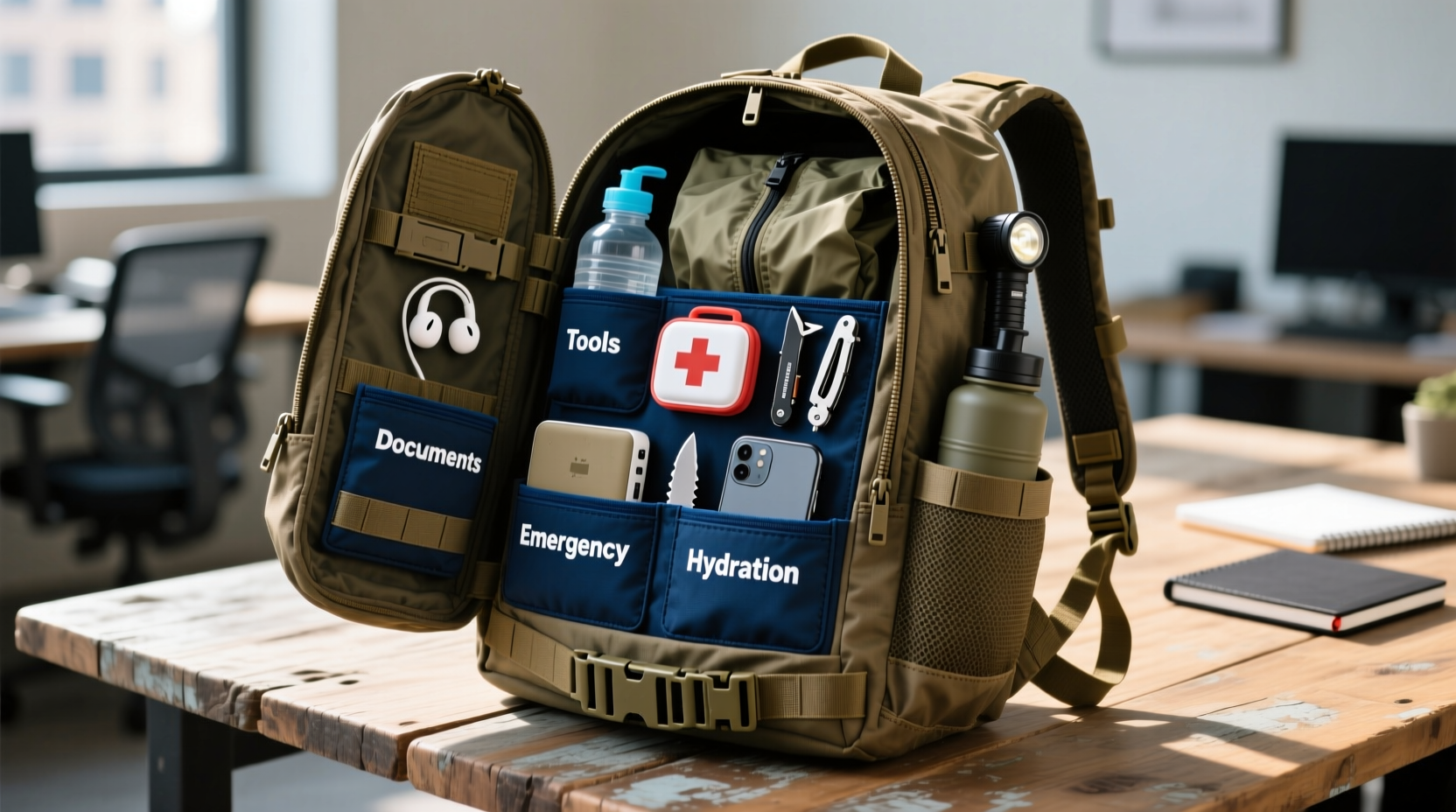
Tactical backpacks differ from standard daypacks in both construction and functionality. Built with durable materials like 1000D Cordura nylon and reinforced stitching, they’re engineered for heavy loads and harsh conditions. Key features often include MOLLE webbing, hydration compatibility, admin panels, hidden compartments, and quick-access side zippers. To use one efficiently, start by mapping out its layout.
Spend time identifying each compartment: main cavity, admin flap, internal organizers, side pockets, and bottom storage. Familiarize yourself with compression straps, sternum and hip belt adjustments, and any modular attachment points. Knowing where everything goes—and why it’s placed there—helps you avoid haphazard stuffing and instead build a purpose-driven loadout.
Organize by Priority and Frequency of Access
Efficiency begins with smart organization. The golden rule: items used most frequently should be the easiest to reach. This means placing essentials like phones, multitools, notebooks, or EDC flashlights in top admin pockets or front-facing zipper compartments. Less-used gear—extra clothing, food, or emergency supplies—belongs in the main chamber or lower sections.
Use the “zones of access” principle:
- Zone 1 (Immediate): Top admin panel – daily essentials.
- Zone 2 (Frequent): Side pockets – water bottles, radio, gloves.
- Zone 3 (Occasional): Main compartment – bulkier items like jackets or laptops.
- Zone 4 (Rare): Bottom or rear stash – emergency blanket, spare batteries.
Invest in slim organizers or padded laptop sleeves that fit snugly without shifting. Avoid overloading external MOLLE with unnecessary attachments—each added item increases snag risk and throws off balance.
“Efficient loadouts aren’t about carrying more—they’re about accessing the right thing at the right time.” — Sgt. Daniel Reyes, U.S. Army (Ret.), Tactical Gear Instructor
Master Weight Distribution and Ergonomics
An improperly loaded backpack can cause fatigue, back strain, and reduced mobility—even if it's under capacity. Proper weight distribution ensures comfort over extended wear and maintains agility when moving quickly.
The ideal center of gravity sits between your shoulder blades. Heavier items—laptops, books, water—should be packed close to your back and centered vertically. Lighter, bulkier items go toward the outer edges or top of the main compartment. Never place heavy objects at the bottom; this pulls the pack downward and forces you to lean forward.
Adjust all straps methodically:
- Loosen all straps before loading.
- Put on the pack and tighten shoulder straps so the load rides high and snug.
- Engage the hip belt—it should carry 70–80% of the weight, sitting on your iliac crest, not your stomach.
- Fasten the sternum strap to stabilize shoulder movement and improve breathing.
- Use compression straps to eliminate internal shifting and reduce profile.
| Factor | Do | Don't |
|---|---|---|
| Weight Placement | Center heavy items near your spine | Pack heavy gear at the bottom or far from body |
| Hip Belt Use | Wear it low on hips, fully tightened | Leave it dangling or loosely fastened |
| Strap Adjustment | Re-tighten after walking 10 minutes | Set once and forget |
| Pack Fit | Top of pack no higher than ears | Allow pack to sag below waistline |
Real-World Example: Urban Commuter Setup
Take James, a city-based IT consultant who uses his 35L tactical backpack for daily transit. His previous setup had him digging through layers to find his badge or earbuds, arriving flustered at the office. After reorganizing based on access zones, he transformed his carry:
- Admin flap: RFID wallet, keychain multitool, USB-C cable
- Left side pocket: collapsible water bottle
- Right side: noise-canceling headphones in a neoprene sleeve
- Main compartment: laptop in a suspended sleeve, notebook, power bank
- Bottom zip: compact rain jacket and folding umbrella
He also attached a small IFAK (individual first aid kit) via MOLLE on the shoulder strap—visible only to him. Result? Faster transitions, no back pain, and confidence knowing everything has a place. When a subway delay forced an unexpected detour, he accessed his flashlight and map printout in seconds.
Create a Modular, Adaptable Loadout System
Your needs change daily—why shouldn’t your pack? Instead of repacking from scratch every morning, adopt a modular system using drop-in pouches. These are smaller, zippered bags that hold specific categories (e.g., tech kit, hygiene, emergency gear) and can be swapped in and out as needed.
For example:
- Tech Pouch: Chargers, cables, adapters, backup drive
- EDC Pouch: Knife, paracord, mini flashlight, duct tape roll
- Hygiene Kit: Toothbrush, wipes, hand sanitizer
- Emergency Module: Fire starter, whistle, mylar blanket
This approach saves time and preserves organization. If you're going to the gym, swap out the EDC pouch for workout clothes. Heading on a weekend trip? Add the emergency module and extra water bladder.
Essential Checklist for Daily Optimization
Follow this checklist each evening to ensure your tactical backpack supports your next day effectively:
- ✅ Empty trash (used wrappers, old receipts)
- ✅ Recharge all devices (power bank, phone, flashlight)
- ✅ Restock consumables (tissues, masks, snacks)
- ✅ Verify weather-appropriate items (rain cover, gloves)
- ✅ Test zippers and buckles for smooth operation
- ✅ Adjust load based on schedule (meeting? gym? travel?)
- ✅ Perform quick wipe-down of interior if exposed to moisture
Frequently Asked Questions
How much should I realistically carry in a tactical backpack?
For daily urban use, keep total weight under 20% of your body weight—ideally 8–12 lbs (3.5–5.5 kg). Overloading leads to posture issues and fatigue. Prioritize essentials and rotate non-critical items.
Can I use a tactical backpack for hiking or travel?
Absolutely. Many models are designed for multi-role use. Just ensure proper padding, ventilation, and hydration support. For long hikes, redistribute weight more heavily onto the hip belt and use trekking pole loops if available.
Are MOLLE attachments worth using?
Yes—if used wisely. Attach only mission-critical gear like a radio holster, flashlight clip, or rescue whistle. Avoid cluttering with decorative patches or redundant pouches that increase bulk and snag hazards.
Final Thoughts: Make Efficiency a Habit
Maximizing your everyday carry isn’t a one-time project—it’s an ongoing practice. A well-organized tactical backpack becomes an invisible asset, enhancing productivity and preparedness without drawing attention. By understanding your gear, organizing by priority, balancing weight, and maintaining consistency, you transform a simple bag into a reliable command center for daily life.
Start tonight: unpack completely, clean the interior, and rebuild using the principles above. Within a week, you’ll notice smoother transitions, less physical strain, and greater confidence in your readiness. That’s the real advantage of tactical thinking—not for show, but for function.




 浙公网安备
33010002000092号
浙公网安备
33010002000092号 浙B2-20120091-4
Comments
No comments yet. Why don't you start the discussion?