
A keychain clip seems like a minor detail in daily life—small, unassuming, and often overlooked. Yet this simple tool holds surprising potential for improving organization, safety, and efficiency. Far beyond just holding keys, a well-utilized keychain clip can anchor your essentials, streamline routines, and even prevent costly losses. With intentional use, it transforms from passive accessory to active organizer.
In urban environments, busy lifestyles, and high-movement jobs, losing track of small items isn’t just inconvenient—it can disrupt schedules, compromise security, or lead to replacement expenses. The keychain clip, when used strategically, acts as a reliable tether between you and what matters. From securing tools to managing access cards, its utility spans homes, workplaces, and travel scenarios.
1. Beyond Keys: Expanding the Role of Your Keychain Clip
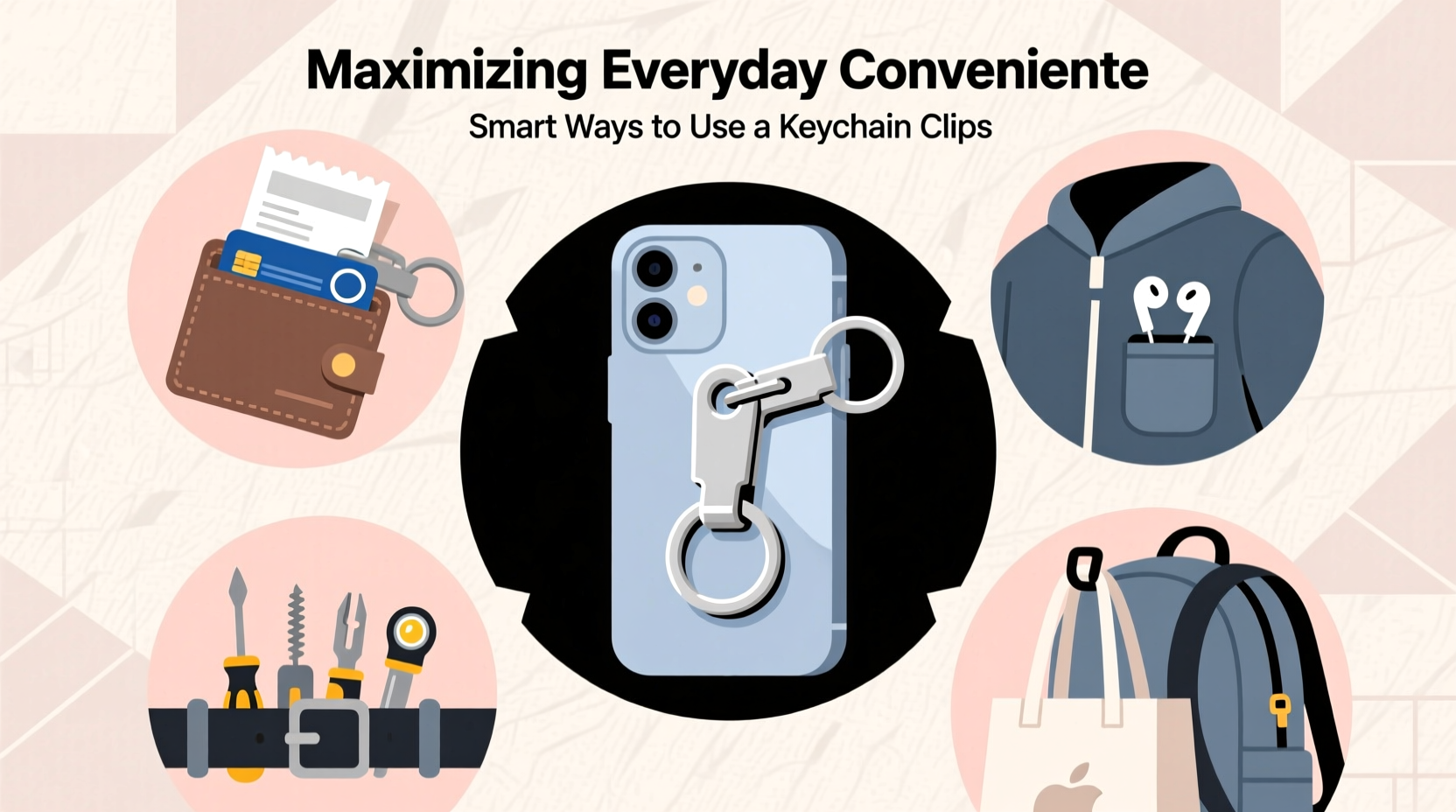
The traditional role of a keychain clip is to hold house, car, or office keys. But modern life demands more from our gear. A sturdy clip can secure USB drives, flashlights, multitools, luggage tags, garage openers, or even emergency cash. The key is selecting a durable, spring-loaded or carabiner-style clip that resists accidental opening.
For outdoor enthusiasts, attaching a compass, whistle, or fire starter to a keychain clip ensures critical tools are always within reach. Office workers might clip their access badge or metro card for quick retrieval. Parents can attach a small sanitizer bottle or child’s ID tag. Each addition should serve a purpose without creating clutter.
2. Smart Organization: The Art of Item Prioritization
Not all items deserve equal space on your keychain. Overloading defeats the purpose of convenience. Prioritize by frequency of use, urgency, and risk of loss. Essential items that must be accessed quickly—like house keys or building fobs—should remain front and center.
Consider categorizing your attachments:
- Essential Access: Home, car, and office keys
- Daily Tools: Pocket knife, mini flashlight, USB drive
- Situational Items: Luggage tag, bike lock key, hotel keycard
- Emergency Gear: Whistle, emergency contact slip, backup SIM card
A minimalist approach enhances usability. If your keychain jingles loudly or feels heavy, reassess what’s truly necessary. Remove duplicates or seasonal items (like ski locker keys in summer).
“Every item on your keychain should earn its place through consistent utility.” — David Lin, Urban Efficiency Consultant
3. Step-by-Step: Optimizing Your Keychain Clip Setup
Follow this sequence to build an efficient, personalized keychain system:
- Inventory your current attachments. Lay them out and assess usage frequency.
- Remove redundant or rarely used items. Store backups elsewhere (e.g., drawer, wallet).
- Select a high-quality clip. Opt for stainless steel or aerospace-grade aluminum with a secure gate mechanism.
- Group related items. Use split rings or micro-carabiners to cluster tools (e.g., bike tools together).
- Test for accessibility. Ensure the most-used item detaches easily without removing the entire chain.
- Label if needed. Use colored tags or nail polish dots to distinguish keys quickly.
This process takes under 15 minutes but can save hours over time in reduced fumbling and lost-item stress.
4. Real-World Application: A Commuter’s Transformation
Take the case of Maria, a city-based project manager who commuted daily via subway, walked to client meetings, and managed home responsibilities. Her old keychain held 12 items: keys, a dead fob, expired loyalty cards, a tiny screwdriver she never used, and a charm from college. She frequently dropped it in her bag or mislaid it during rushed transitions.
After auditing her attachments and switching to a magnetic-locking keychain clip, she streamlined to five core items: apartment key, car fob, office access card, USB drive with work files, and a collapsible keyring for temporary additions (like event wristbands). She attached the clip to her belt loop using a short lanyard.
Result? No lost keys in six months. Faster entry at secured buildings. Immediate access to digital files during impromptu meetings. The change was subtle but significantly improved her daily flow.
5. Do’s and Don’ts: Keychain Clip Best Practices
| Do | Don’t |
|---|---|
| Use clips with a secure locking mechanism (magnetic, twist-lock, or gated) | Attach heavy items that strain the clip or pocket seam |
| Position the clip on a belt loop, bag strap, or inside pocket edge | Clip to flimsy fabric that may tear under tension |
| Carry emergency contact info on a small tag | Include sentimental items that have no functional purpose |
| Inspect the clip monthly for wear or spring fatigue | Ignore signs of metal fatigue or rust |
| Use color-coded rings to identify key types | Allow tangled chains that make separation difficult |
6. Advanced Uses: Security and Emergency Preparedness
Beyond convenience, a keychain clip supports personal security. In high-theft areas, clipping your keys to an inner jacket or crossbody bag strap reduces snatch-and-grab risks. Some users attach a personal alarm or pepper spray canister via a quick-release clip—accessible in emergencies but secure during routine use.
Preppers and travelers often integrate survival elements. A compact ferro rod, emergency blanket, or water purification tablet can be clipped discreetly. Even a folded piece of paper with ICE (In Case of Emergency) details adds value without bulk.
7. Frequently Asked Questions
Can I use a keychain clip on delicate fabrics?
Proceed with caution. Clips can snag or tear thin materials like silk or mesh. For delicate clothing, use a fabric-safe alternative like a retractable badge reel or clip onto a sturdy belt loop instead.
Are magnetic keychain clips reliable?
High-quality magnetic clips (using neodymium magnets) are extremely secure and popular for one-handed operation. However, avoid cheap imitations with weak hold strength. Test the magnet by shaking gently—nothing should detach.
How do I clean and maintain my keychain clip?
Wipe down monthly with a damp cloth. For metal clips, use a soft brush and mild soap to remove grime from hinges. Dry thoroughly to prevent rust. Lubricate spring mechanisms occasionally with a drop of silicone oil.
Final Thoughts: Small Tool, Big Impact
The keychain clip is a silent enabler of order in chaotic routines. Its effectiveness isn’t in complexity, but in consistency. When thoughtfully configured, it reduces friction in daily movements, protects valuable items, and supports preparedness. It embodies the principle that convenience isn’t about doing more—it’s about designing less effort into essential actions.
Reevaluating how you use this small tool isn’t trivial. It’s an investment in smoother mornings, fewer frustrations, and greater confidence that your essentials are where they need to be. Whether you're a traveler, parent, professional, or adventurer, optimizing your keychain clip is a low-effort, high-return upgrade.




 浙公网安备
33010002000092号
浙公网安备
33010002000092号 浙B2-20120091-4
Comments
No comments yet. Why don't you start the discussion?