
Every day, millions of people expose their eyes to ultraviolet (UV) radiation without realizing the long-term consequences. From sunny afternoons at the park to extended screen time indoors, cumulative UV exposure increases the risk of cataracts, macular degeneration, and photokeratitis. Traditional sunglasses offer partial protection, but a new generation of eyewear—UV smart glasses—is redefining ocular defense. These advanced lenses combine intelligent filtering technology with real-time environmental awareness to deliver superior eye safety. Understanding how they work and when to use them is essential for anyone serious about preserving their vision.
Understanding UV Radiation and Eye Damage
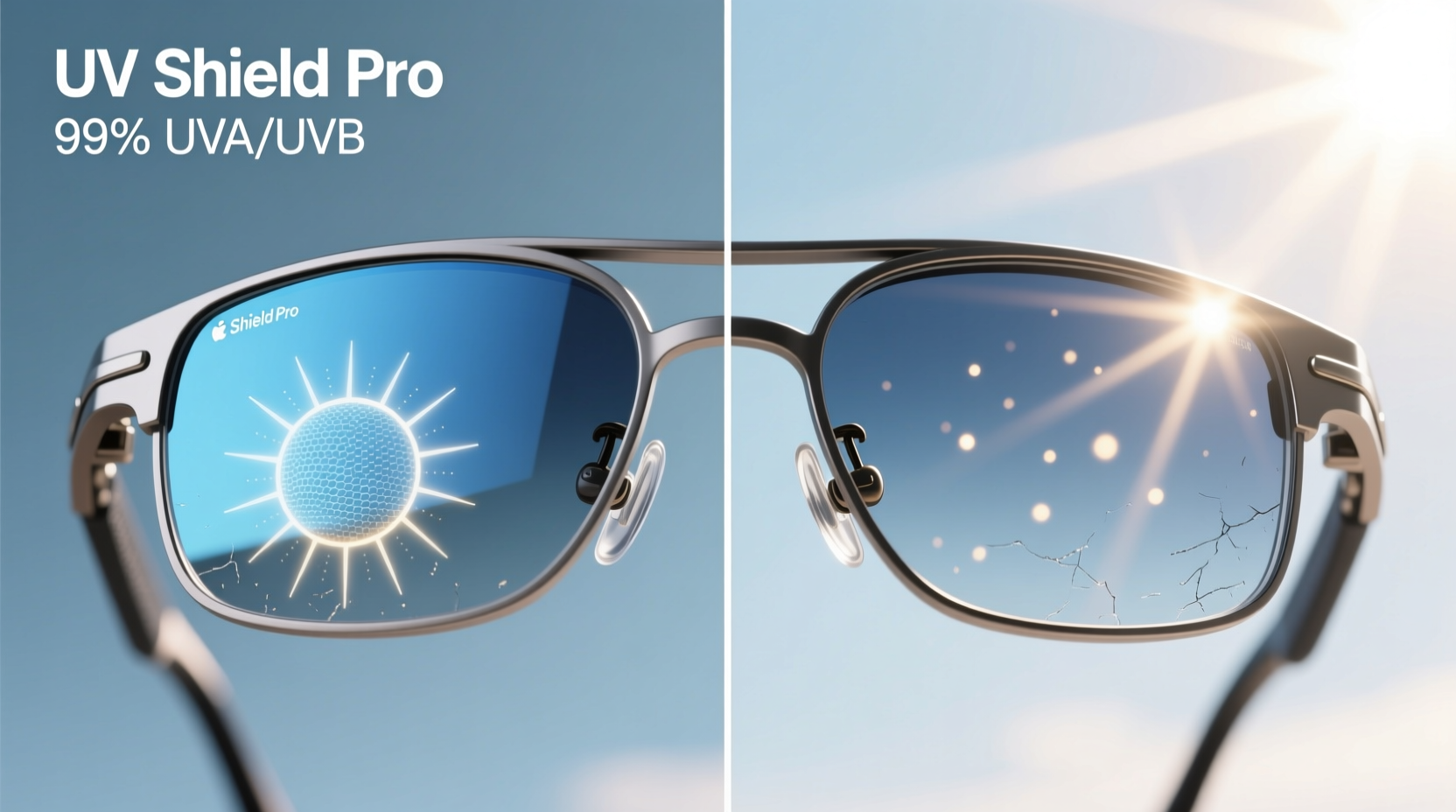
Ultraviolet light exists on the electromagnetic spectrum just beyond visible light. It’s categorized into three types: UVA, UVB, and UVC. While the atmosphere blocks most UVC rays, UVA and UVB penetrate and affect ocular health. Prolonged or intense exposure contributes to several conditions:
- Cataracts: Clouding of the eye's lens, often linked to years of UV exposure.
- Macular Degeneration: Deterioration of the retina’s central portion, accelerated by oxidative stress from UV rays.
- Pterygium: A non-cancerous growth on the conjunctiva, commonly seen in individuals with high outdoor exposure.
- Photokeratitis: Essentially a sunburn of the cornea, caused by intense short-term exposure—common among skiers and beachgoers.
The danger isn’t limited to bright days. UV rays reflect off surfaces like water, snow, sand, and even concrete, increasing exposure even under cloud cover. This makes consistent protection crucial, regardless of weather or season.
“Up to 80% of a person’s lifetime UV exposure occurs before age 18. Protecting children’s eyes early can prevent irreversible damage later.” — Dr. Lena Torres, Ophthalmologist and Vision Researcher
How UV Smart Glasses Work: Beyond Standard Sunglasses
Unlike conventional sunglasses that rely solely on tinted lenses, UV smart glasses integrate dynamic technologies designed to adapt to changing light conditions and user behavior. Key components include:
- Adaptive UV Filters: Lenses equipped with photochromic or electrochromic materials automatically adjust their tint based on ambient UV intensity.
- Digital Sensors: Built-in UV sensors measure real-time radiation levels and alert users via companion apps when exposure reaches unsafe thresholds.
- Blue Light Modulation: Many models also filter harmful blue light emitted by digital screens, offering dual protection for indoor and outdoor environments.
- Geolocation Integration: Using GPS data, some glasses predict UV index changes as you travel between regions, preparing the lenses in advance.
This responsive design ensures optimal clarity and protection without requiring manual adjustments. For example, walking from shade into direct sunlight triggers an immediate darkening response, reducing glare and blocking up to 99–100% of UVA/UVB rays.
Key Benefits of UV Smart Glasses in Daily Life
The advantages extend far beyond basic sun protection. Here’s how these devices support long-term eye health across different lifestyles:
For Outdoor Enthusiasts
Hikers, cyclists, and runners face fluctuating light conditions. Smart glasses maintain visual comfort by adjusting lens opacity during elevation changes or tree-line transitions. Real-time UV alerts help athletes avoid overexposure during peak hours (10 a.m.–4 p.m.).
For Urban Commuters
City dwellers are exposed to reflected UV from glass buildings and pavement. Integrated blue light filters reduce eye strain from subway screens or traffic signals, while geolocation tracking adapts settings as users move through microclimates.
For Children and Teens
Young eyes are more transparent to UV light. Smart glasses with parental controls allow monitoring of daily exposure through mobile dashboards, encouraging healthy habits early.
For Digital Workers
Even indoors, artificial lighting and screens emit low-level UV and high-energy visible (HEV) blue light. UV smart glasses with indoor modes switch to clear, anti-glare filtration, minimizing fatigue during prolonged computer use.
Choosing the Right UV Smart Glasses: A Practical Checklist
With growing options on the market, selecting effective eyewear requires attention to specific features. Use this checklist before purchasing:
- ✅ Confirmed 100% UVA/UVB protection (UV400 rating)
- ✅ Real-time UV sensing with app integration
- ✅ Adaptive lens technology (photochromic or electrochromic)
- ✅ Blue light filtering capability (especially for indoor use)
- ✅ Lightweight, ergonomic frame design for all-day wear
- ✅ Battery life of at least 48 hours on a single charge
- ✅ Water-resistant or sweat-resistant build for active use
- ✅ Compatibility with prescription inserts (if needed)
Real-World Example: A Day in the Life of UV Smart Glasses
Consider Maria, a landscape photographer who spends eight hours daily outdoors across varying terrains. In the morning, her UV smart glasses remain lightly tinted during cloudy conditions. As she ascends a mountain ridge around noon, the built-in sensor detects rising UV levels. The lenses automatically darken, and her phone receives a notification: “UV Index now at 8 – High. Consider applying sunscreen and staying hydrated.” Later, while editing photos on her tablet, the glasses shift to clear mode with enhanced blue light filtration. At day’s end, her app summarizes total UV exposure and suggests rest periods for tomorrow. This seamless adaptation protects her eyes without disrupting workflow.
Do’s and Don’ts of Using UV Smart Glasses
| Do’s | Don’ts |
|---|---|
| Charge your glasses regularly to ensure sensor functionality | Assume all tinted lenses provide full UV protection |
| Use companion apps to track weekly exposure trends | Leave glasses in hot cars—extreme heat damages smart components |
| Clean lenses with microfiber cloths and approved solutions | Submerge in water unless explicitly rated waterproof |
| Update firmware to access improved filtering algorithms | Rely solely on automatic settings in extreme environments—manual override may be safer |
Frequently Asked Questions
Can UV smart glasses replace regular sunglasses?
Yes, provided they offer full-spectrum UV protection. Most high-quality smart models exceed traditional sunglasses in both coverage and responsiveness. However, always confirm technical specifications rather than assuming equivalence based on appearance.
Are UV smart glasses suitable for driving?
Absolutely. Their adaptive tinting reduces glare from wet roads or oncoming headlights, improving reaction time. Some models even integrate heads-up display (HUD) features that project navigation cues onto the lens—though local laws should be checked regarding distracted driving regulations.
Do I still need sunscreen if I wear UV smart glasses?
Definitely. While the glasses protect your eyes and surrounding orbital area, other facial zones remain vulnerable. UV smart glasses complement—but don’t substitute—for broad-spectrum facial sunscreen and protective clothing.
Conclusion: Take Control of Your Visual Future
Your eyes are irreplaceable, yet they face invisible threats every day. UV smart glasses represent a proactive leap toward comprehensive eye care, merging science, technology, and practical design. Whether you're navigating city streets, hiking alpine trails, or working behind a screen, these devices offer personalized, real-time protection that static lenses simply can’t match. Investing in advanced eyewear isn’t just about convenience—it’s a commitment to lifelong vision health. Make the switch today and empower your eyes with the intelligence they deserve.




 浙公网安备
33010002000092号
浙公网安备
33010002000092号 浙B2-20120091-4
Comments
No comments yet. Why don't you start the discussion?