
In an era where minimalism meets mobility, the small bag has emerged as a quiet hero of urban commuting. Whether it’s a crossbody satchel, a compact backpack, or a sleek tote under 15 liters, a well-chosen small bag streamlines your daily journey without sacrificing style. But fitting essentials into limited space requires strategy. The key lies in balancing practicality with personal expression—carrying only what you need while maintaining a polished look. This guide explores how to transform your small bag from a constraint into a powerful tool for efficient, stylish commuting.
The Art of Selective Packing
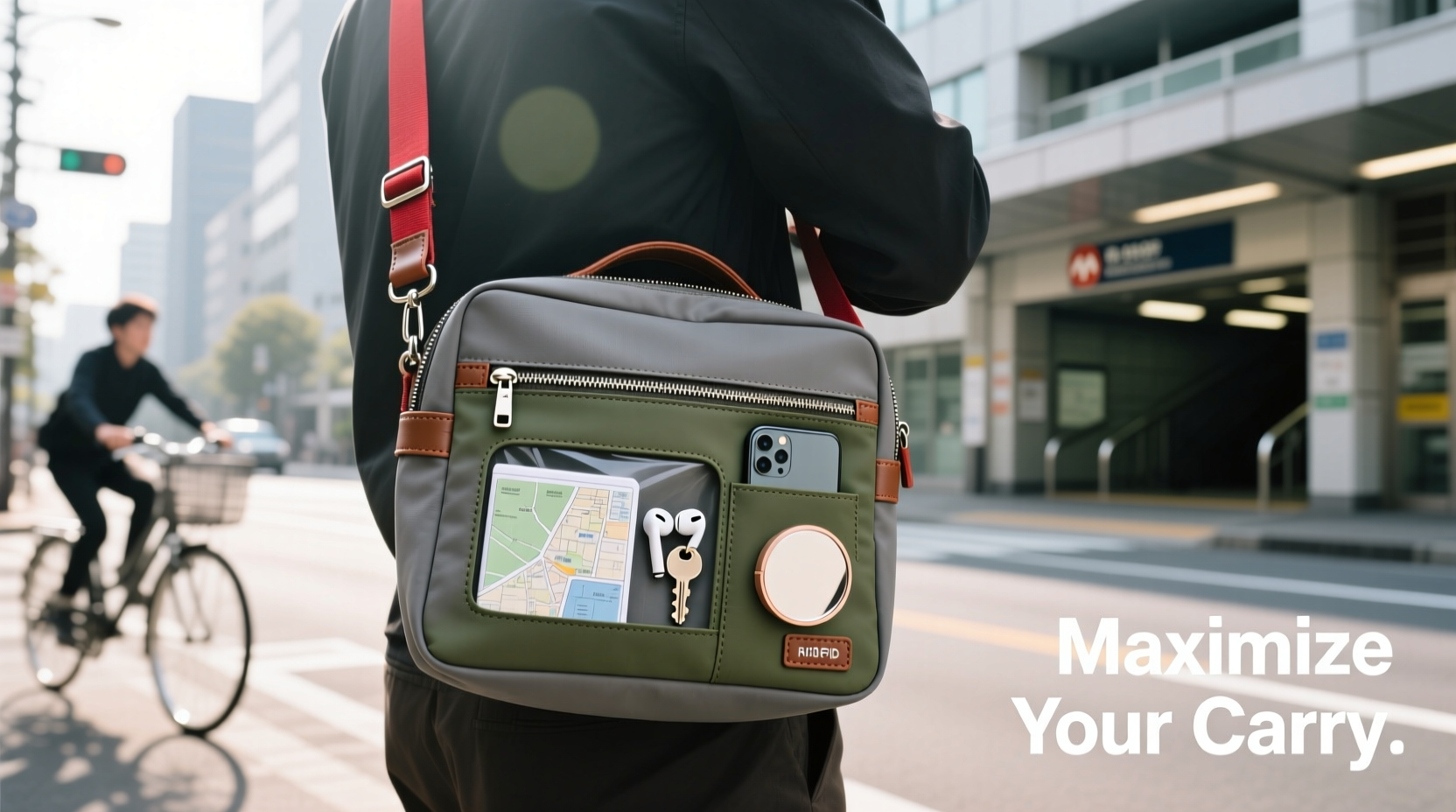
Small bags demand intentionality. Unlike oversized totes that swallow clutter, a compact design forces you to curate your load. Begin by identifying non-negotiables: wallet, phone, keys, transit pass, and perhaps a compact umbrella or lip balm. Then, assess secondary items based on daily needs—earbuds, hand sanitizer, a notebook, or a slim pen.
One effective method is the “daily capsule” approach: assemble a core set of items stored in a removable pouch. Each morning, drop the pouch into your bag along with any day-specific additions—a book for evening reading, a reusable mask, or a protein bar. This reduces decision fatigue and keeps your bag organized.
Essential vs. Optional: A Daily Checklist
To maintain consistency, follow this checklist each morning before leaving home:
- Phone + charger (compact cable or wireless charging brick)
- Wallet (ID, credit cards, cash)
- Keys (consider a key organizer)
- Transit card or digital pass
- Reusable face mask
- Lip balm or mini hand cream
- Earbuds or headphones
- Pen and pocket notebook (optional)
Anything beyond this should be evaluated for necessity. If it doesn’t serve a clear purpose for that day, leave it behind.
Choosing the Right Bag for Your Commute
Not all small bags are created equal. The ideal commuter companion combines durability, comfort, and intelligent design. Look for these features:
- Multiple compartments: Dedicated slots for phone, cards, and pens reduce fumbling.
- Adjustable strap: Allows switching between shoulder, crossbody, or hand carry.
- Weather-resistant material: Nylon, waxed canvas, or treated leather withstand rain and wear.
- Secure closures: Zippers or magnetic snaps prevent theft and accidental drops.
- Weight distribution: Padded straps or balanced shape ease shoulder strain.
“Function and form aren’t opposites—they’re partners. The best commuter bags feel like an extension of your body.” — Lena Torres, Urban Lifestyle Designer
Bag Type Comparison: Pros and Cons
| Bag Type | Pros | Cons |
|---|---|---|
| Crossbody Sling | Hands-free, secure, ultra-portable | Limited capacity, can shift during movement |
| Mini Backpack | Ergonomic, even weight distribution | Less formal, may not suit business attire |
| Compact Tote | Professional look, easy access | Single strap can dig into shoulder |
| Waist Pack (Fanny Pack) | Highly secure, stays put during transit | Perceived as casual, limited storage depth |
Smart Organization Systems
Maximizing space isn’t just about size—it’s about structure. Internal organization turns chaos into order. Consider using micro-pouches: one for tech (cables, power bank), one for personal care (tissues, sanitizer), and a third for financial items.
A slim cardholder that holds only your most-used cards eliminates the need for a full wallet. Pair it with a fold-over phone case that stores a couple of cards, and you’ve reduced bulk significantly.
For those who commute with a laptop, remember: a small bag isn’t meant to carry large electronics. Instead, use a dedicated padded sleeve within a slightly larger work bag, or switch to cloud-based workflows so your phone becomes your primary device.
A Real-World Example: Sarah’s 7-Minute Commute Routine
Sarah, a graphic designer in downtown Toronto, walks 15 minutes to her office every morning. She uses a 12-liter waxed canvas crossbody with three internal pockets. Her routine takes less than seven minutes:
- She removes last night’s capsule pouch from her bag and places it on the counter.
- Checks today’s weather—adds a foldable umbrella if needed.
- Swaps out yesterday’s used tissue packet for a fresh one.
- Reinserts the pouch, adds her reusable coffee cup (only on days she stops for takeout).
- Slips on her coat and leaves—no last-minute searches for keys or phone.
By standardizing her system, Sarah avoids overpacking and always knows where everything is. Her bag looks effortlessly stylish with its clean lines and uncluttered silhouette—proof that efficiency enhances aesthetics.
Style Without Sacrifice
Many assume that small bags limit fashion expression. On the contrary, they offer a chance to elevate your look through thoughtful details. Choose a bag in a neutral base color—black, navy, taupe, or olive—for versatility. Then, add personality with subtle hardware, textured fabric, or a pop of lining color visible when opened.
Coordinate your bag with your outerwear or shoes for a cohesive ensemble. A cognac leather sling pairs beautifully with a camel coat, while a matte black nylon pack complements monochrome athleisure.
Seasonal rotation helps too. Keep two small bags on rotation: a water-resistant nylon option for winter, and a breathable canvas or woven style for summer. This ensures both functionality and seasonal relevance.
Do’s and Don’ts of Styling a Small Commuter Bag
| Do’s | Don’ts |
|---|---|
| Match metal finishes (zippers, buckles) to jewelry or watch | Overload with charms or dangling accessories |
| Wear the strap at hip level for balanced proportions | Let the bag swing loosely or drag on the ground |
| Use the bag as a focal point in minimalist outfits | Pair with already-busy clothing (e.g., multiple patterns) |
| Keep exterior surfaces clean and free of stickers | Carry it by the strap only—use the handle when entering buildings |
Frequently Asked Questions
Can I carry a water bottle in a small bag?
Only if it fits vertically without distorting the bag’s shape. Opt for a collapsible silicone bottle or keep hydration at home/office. Most small bags aren’t designed to accommodate wide bottles.
How do I prevent back pain with a single-strap bag?
Distribute weight evenly by wearing it crossbody rather than on one shoulder. Adjust the strap so the bag rests near your hip, not your lower back. Switch sides periodically to avoid muscle imbalance.
Is it safe to carry my phone in an external pocket?
Only if the pocket has a secure closure (zipper or snap). Otherwise, pickpocketing risk increases in crowded transit. Always position the bag in front of you in busy areas.
Final Thoughts: Make It Work for You
A small commuter bag isn’t a compromise—it’s a commitment to clarity and intention. When you pare down to essentials, you gain freedom: freedom from excess weight, mental clutter, and indecision. The right bag supports your rhythm, protects your belongings, and reflects your personal aesthetic—all without weighing you down.
Start today: empty your current bag, audit every item, and rebuild it with purpose. Experiment with layouts, test different carry styles, and refine your system over a week. You’ll likely discover that less really is more—not just in function, but in confidence and style.




 浙公网安备
33010002000092号
浙公网安备
33010002000092号 浙B2-20120091-4
Comments
No comments yet. Why don't you start the discussion?