
Carrying a smartphone in a small crossbody bag has become a go-to choice for urban commuters, travelers, and minimalist enthusiasts. The compact design keeps essentials close while offering hands-free convenience. But proximity doesn’t guarantee protection. In fact, the very features that make crossbody bags appealing—small size, frequent movement, and accessibility—can expose your phone to risks like drops, scratches, theft, and environmental damage. With phones now serving as wallets, IDs, and personal vaults, safeguarding them isn’t optional; it’s essential. This guide delivers actionable, real-world strategies to keep your device secure, functional, and intact while stored in a compact crossbody.
Choose the Right Bag Design for Phone Security
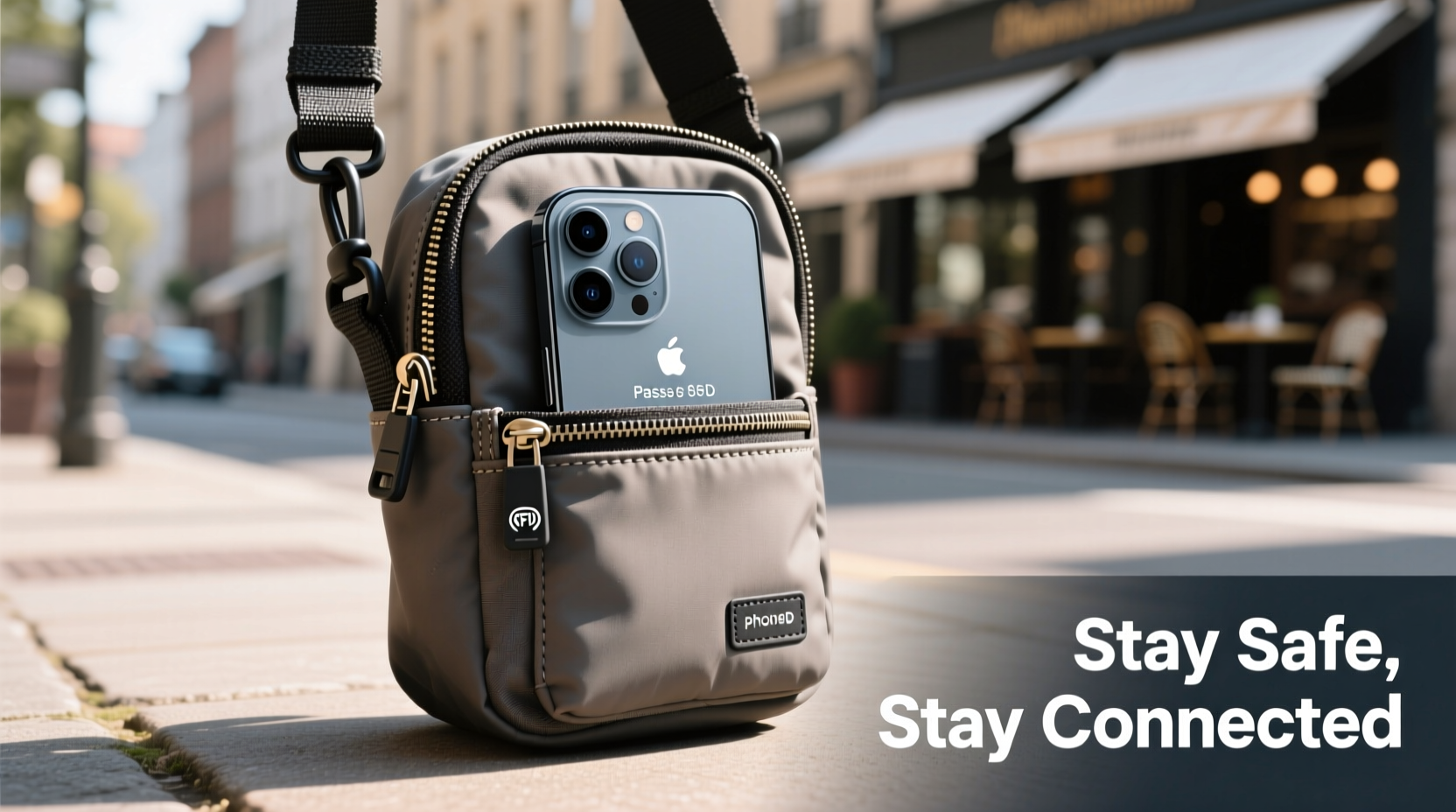
The foundation of phone safety starts before you even place your device inside. Not all crossbody bags are created equal when it comes to protecting electronics. Look for structural features that prioritize security and cushioning. Internal padded compartments or dedicated tech pockets significantly reduce impact from bumps and drops. Bags made from water-resistant materials like waxed canvas or nylon shield against rain and spills—a common hazard during sudden weather changes.
Zippers matter more than most realize. Opt for reverse zippers (which open away from the body) or double-slider zippers that allow internal closure. These prevent opportunistic pickpocketing, especially in crowded areas. Magnetic closures may look sleek but offer minimal resistance to quick grabs. A well-designed crossbody should sit snugly against your torso, minimizing swinging motion that can jostle contents or loosen zippers over time.
Use Protective Layers Inside the Bag
Even in a well-built bag, direct contact between your phone and hard surfaces increases the risk of screen cracks or camera lens damage. Create a buffer zone using simple, low-cost solutions. A slim neoprene sleeve adds shock absorption without bulk. Alternatively, wrap your phone in a microfiber cloth if space is extremely limited—this prevents scratches from keys or coins.
Avoid storing your phone loose alongside sharp or heavy items. Coins, multitools, or pens can shift during movement and press into the screen or back panel. Dedicate a specific inner pocket for your phone, ideally one lined with soft fabric. If your bag lacks such a feature, consider adding a removable insert pouch secured with Velcro or snaps.
“Most phone damage in bags occurs not from falls, but from sustained pressure and abrasion over time.” — David Lin, Mobile Device Durability Analyst at TechShield Labs
Smart Packing: Organize for Safety and Access
How you pack determines how protected your phone remains throughout the day. Overstuffing a small crossbody creates internal pressure, warping components and increasing the chance of accidental ejection when opening the bag. Follow the 70% rule: fill the main compartment no more than two-thirds full to allow room for safe insertion and removal of your phone.
| Do | Don't |
|---|---|
| Place phone in an innermost pocket | Store phone in an outer slip pocket |
| Use a pop socket or grip for easier retrieval | Let phone slide around loosely |
| Keep bag zipped at all times in public | Leave bag unzipped while walking or commuting |
| Separate phone from liquids and power banks | Mix phone with leaking hand sanitizer or charging cables |
Position heavier items at the bottom, beneath lighter ones. This stabilizes the bag’s center of gravity and reduces swinging, which can cause zipper stress or unintended openings. Always retrieve your phone by fully opening the compartment rather than fishing for it blindly—this avoids dropping it mid-pull.
Step-by-Step: Securing Your Phone Before Leaving Home
- Inspect the bag interior: Ensure no sharp objects or moisture are present.
- Power down unnecessary functions: Turn off Bluetooth or hotspot if not needed to reduce heat buildup.
- Insert phone vertically: Slide it in screen-in, top-up for consistent orientation.
- Close and test the zipper: Gently tug to confirm it’s fully engaged.
- Wear and adjust: Position the strap so the bag rests across your chest, not on your back.
Prevent Theft and Loss in High-Risk Environments
A small crossbody offers visibility and control, but it also draws attention. In tourist-heavy zones, public transit, or festivals, thieves target easily accessible bags. Minimize risk by wearing the bag across your front in dense crowds—not on your side or behind you. When seated, keep the bag on your lap or loop the strap around your wrist or chair leg.
Enable “Find My iPhone” or Android’s “Find My Device” before heading out. Even if your bag is snatched, remote tracking increases recovery odds. Consider engraving your phone with a non-obvious identifier (like an email initials code) to deter resale. Avoid displaying brand-name logos on your phone case or bag—low-profile accessories attract less criminal interest.
Real-World Scenario: A Traveler’s Close Call in Barcelona
Sophie, a digital nomad visiting Spain, relied on her slim crossbody for daily commutes. One afternoon in La Rambla, she felt a tug on her bag but dismissed it as a brush from a passerby. Minutes later, she discovered her phone was missing. Reviewing surveillance footage later, she saw a thief had sliced the strap’s weak seam and grabbed the bag mid-step. Though she recovered the phone via GPS, the incident prompted changes: she upgraded to a slash-proof bag with RFID lining, began wearing it across her chest, and started using a locking carabiner on the zipper pull. Her next trip to Rome passed without incident—proof that small adjustments yield major security gains.
Essential Checklist for Phone Safety in Crossbody Bags
- ✅ Use a protective case on your phone—even in a bag
- ✅ Choose a crossbody with lockable zippers or hidden compartments
- ✅ Keep the bag closed at all times in public spaces
- ✅ Separate phone from keys, chargers, and liquids
- ✅ Enable location tracking and remote wipe settings
- ✅ Avoid overloading the bag beyond 70% capacity
- ✅ Wear the bag across your front in crowded areas
- ✅ Regularly inspect straps and seams for wear
Frequently Asked Questions
Can I charge my phone inside the bag?
You can—if using a portable power bank, but only with proper organization. Route cables through a designated side port or external loop to avoid tangling. Never charge while the bag is in motion or exposed to heat sources. Unattended charging in confined spaces may lead to overheating, especially with low-quality batteries.
Is it safe to carry my phone in a crossbody during workouts?
Only if the bag is specifically designed for activity use. Standard crossbodies lack sweat resistance and secure anchoring. During jogging or cycling, constant motion increases fall risk. Instead, use an armband or waist pouch built for exercise. If you must use a crossbody, ensure it has an anti-slip shoulder pad and reflective details for visibility.
How often should I inspect my bag for damage?
Conduct a weekly check of stitching, zippers, and strap integrity. Pay special attention after travel or exposure to rain. Replace worn hardware immediately—delaying repairs compromises both bag longevity and phone safety.
Final Thoughts: Small Habits, Big Protection
Your phone is more than a device—it’s a hub of communication, finance, and identity. Entrusting it to a small crossbody bag demands more than convenience; it requires intentionality. From selecting the right materials to organizing contents mindfully, every decision shapes your phone’s safety. The best protection isn’t found in a single gadget or expensive upgrade, but in consistent, informed habits. Reassess your routine, apply these strategies daily, and treat your crossbody not just as a fashion piece, but as a critical line of defense.




 浙公网安备
33010002000092号
浙公网安备
33010002000092号 浙B2-20120091-4
Comments
No comments yet. Why don't you start the discussion?