
In today’s fast-paced world, smartphones are more than just communication tools—they’re personal assistants, cameras, wallets, and entertainment hubs. With such high reliance comes the need for reliable protection. While most people use a phone case, many don’t realize that not all cases offer equal defense. True protection goes beyond aesthetics; it requires strategic selection, proper fit, and layered safeguards. Understanding how to maximize coverage can mean the difference between a minor bump and a costly repair.
Choose the Right Case Type for Your Lifestyle
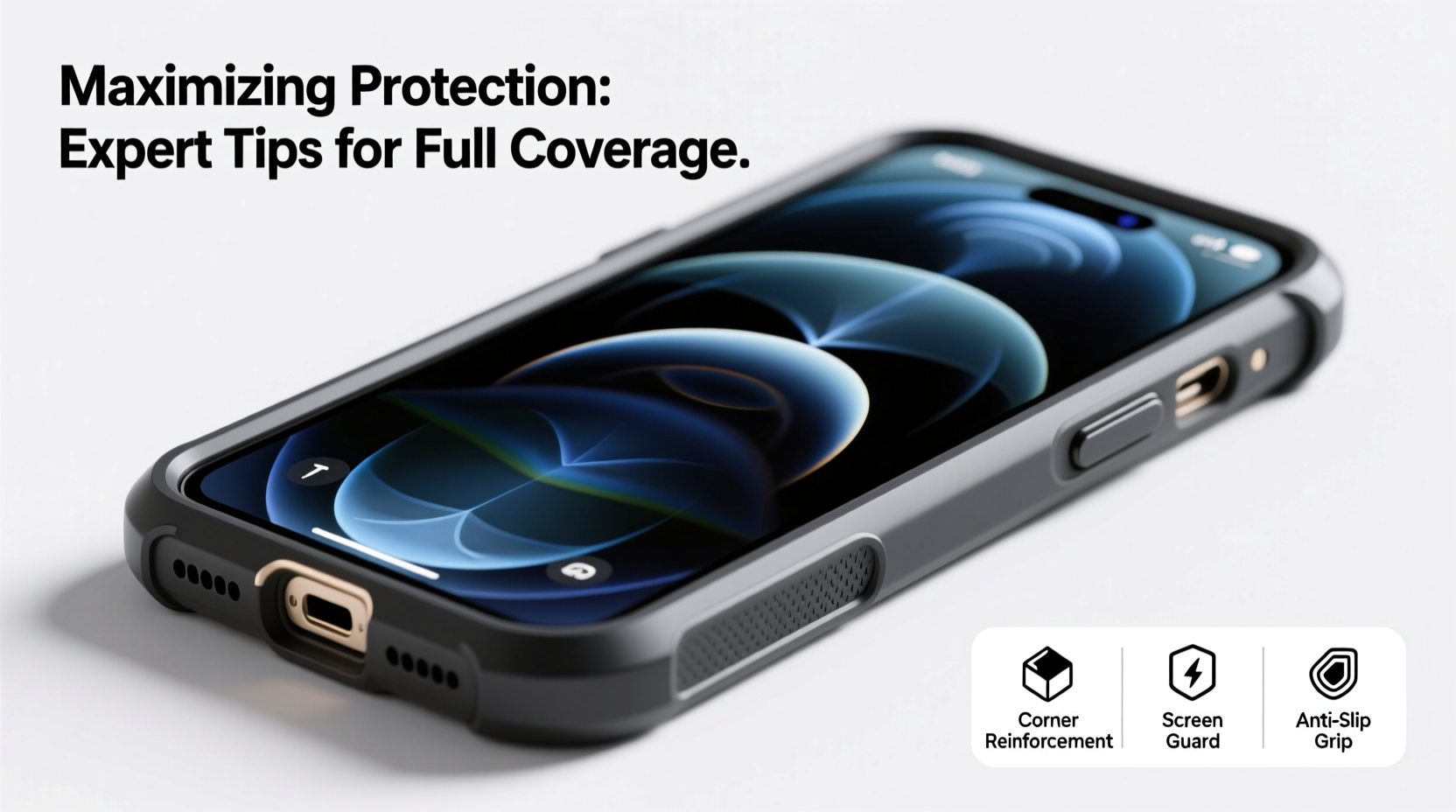
Not every case is built for every environment. The first step toward full coverage is selecting a design that aligns with your daily routine. There are several common types of phone cases, each offering different levels of protection and functionality.
| Case Type | Best For | Limits |
|---|---|---|
| Slim/Folio | Minimalists, office use | Low drop protection, minimal corner coverage |
| Hybrid (Hard Shell + Soft Interior) | Balanced everyday use | Moderate bulk, may interfere with wireless charging |
| Rugged/Military-Grade (MIL-STD-810G) | Outdoor work, travel, active lifestyles | Bulkier, harder to pocket |
| Wallet Cases | Convenience, reduced bag clutter | Increased risk of screen-down drops, added weight |
| Ultra-Thin Silicone or TPU | Light handling, style focus | Poor impact absorption, prone to yellowing |
If you frequently walk, bike, or work in dynamic environments, a rugged hybrid case with raised bezels and reinforced corners offers superior structural defense. For those who prioritize portability but still want solid protection, a dual-layer hybrid model strikes an ideal balance.
Ensure Full Physical Coverage
A truly protective case doesn’t just cover the back—it shields every vulnerable point. Many users assume their phone is safe if the back panel is covered, but over 70% of damage occurs from drops where the screen or corners hit first.
Key areas requiring attention include:
- Screen edges: Look for cases with slightly elevated lips around the front to prevent direct contact when placed face-down.
- Corners: Reinforced corner bumpers absorb shock during angled impacts—the most common type of fall.
- Camera module: A protruding lens needs at least 1–2mm clearance above the rim to avoid scratches on flat surfaces.
- Ports and buttons: Dust covers and responsive button shields help maintain internal cleanliness and tactile control.
“Most screen cracks originate from corner-first impacts. Cases with air-cushion technology in corners reduce fracture risk by up to 40%.” — Dr. Lena Torres, Materials Engineer at Mobile Safety Labs
Mini Case Study: The Commuter’s Breakage Cycle
Jamal, a city courier, replaced his phone twice in one year due to cracked screens. Each time, he used a sleek leather case that looked professional but offered no edge protection. After switching to a certified rugged case with shock-absorbing corners and a screen lip, he went two years without damage—even after multiple falls off his bike. The change wasn’t about adding bulk; it was about closing coverage gaps that left his device exposed.
Layer Your Protection Strategically
No single product provides complete defense. Maximizing protection means combining your case with complementary accessories in a layered approach.
- Tempered glass screen protector: Even with a raised bezel, a high-quality glass shield adds tensile strength and scratch resistance.
- Water-resistant sleeve or pouch: For rainy climates or outdoor jobs, consider a zip-seal dry bag for temporary extreme conditions.
- Drop-tested inner lining: Some premium cases feature honeycomb padding or silicone dampeners inside the shell to disperse force.
- Anti-microbial coating: Especially useful in shared environments, this reduces bacterial buildup without compromising grip.
Think of your phone’s defense like an onion: each layer contributes to overall resilience. A well-designed case is the foundation, but it works best when supported by smart add-ons tailored to real-world risks.
Checklist: Achieving Full-Coverage Readiness
Action Plan for Maximum Phone Protection:
- ✅ Measure your phone accurately before buying a case
- ✅ Confirm exact model compatibility (e.g., iPhone 15 Pro vs. standard 15)
- ✅ Check for independent drop-test certifications
- ✅ Ensure camera cutout fully surrounds the lens bump
- ✅ Test button responsiveness and port access post-installation
- ✅ Apply a tempered glass protector flush with the case’s screen lip
- ✅ Clean the case monthly to remove dust and debris from joints
Common Mistakes That Undermine Protection
Even with a high-end case, improper usage can compromise its effectiveness. These pitfalls silently erode your phone’s safety net:
- Using incompatible screen protectors: Thick or misaligned protectors can press against the case, creating pressure points that lead to micro-cracks.
- Ignoring wear and tear: Cracked or warped cases lose structural integrity. Replace them immediately after visible damage.
- Overloading pockets: Carrying keys, coins, or multitools alongside your phone in the same pocket causes abrasions and increases drop likelihood.
- Skipping updates: New phone models often have altered dimensions. Reusing an old case “because it fits” may leave critical zones exposed.
A case only performs as well as its weakest point. Regular inspection ensures that small issues don’t escalate into catastrophic failures.
Frequently Asked Questions
Does wireless charging work with thick protective cases?
Most modern phones support wireless charging through cases up to 3mm thick. However, metal-reinforced or excessively bulky designs may interfere. If you rely on Qi charging, choose cases labeled “wireless charging compatible” and avoid metallic plates unless designed for MagSafe integration.
How often should I replace my phone case?
Inspect your case every 3–6 months. Signs it’s time for replacement include discoloration, stiffness, cracks, or loose fit. High-impact cases degrade faster due to material stress. In demanding environments, annual replacement is advisable even if no visible damage exists.
Are waterproof cases necessary for everyday use?
True waterproof cases (IP68-rated) are typically bulky and affect sound quality and touchscreen sensitivity. For daily protection against spills or rain, water-resistant materials like TPU or polycarbonate suffice. Reserve full waterproofing for aquatic activities or industrial settings.
Final Steps Toward Complete Confidence
Full coverage isn’t achieved by chance—it’s the result of informed choices and consistent habits. From selecting a case engineered for impact dispersion to pairing it with precision-fit accessories, every decision shapes your phone’s durability. Don’t let convenience override caution; a few extra millimeters of bumper or a slight increase in weight can prevent hundreds in repair costs.
Protection isn’t just about surviving a fall—it’s about preserving performance, resale value, and peace of mind. Whether you're navigating crowded streets, working on-site, or parenting with one hand, your phone deserves armor that matches your life’s demands.




 浙公网安备
33010002000092号
浙公网安备
33010002000092号 浙B2-20120091-4
Comments
No comments yet. Why don't you start the discussion?