
In homes, restaurants, hotels, and catering services, large capacity fruit trays are a practical solution for serving fresh produce in an appealing and accessible way. However, without proper planning, these trays can quickly become overcrowded, disorganized, or lead to premature spoilage. Maximizing both space and freshness requires more than just stacking fruit—strategic layout, temperature control, airflow, and handling practices all play crucial roles. This guide dives into proven methods to help you store and present fruit efficiently while maintaining peak quality.
Understand the Role of Fruit Type in Storage Strategy
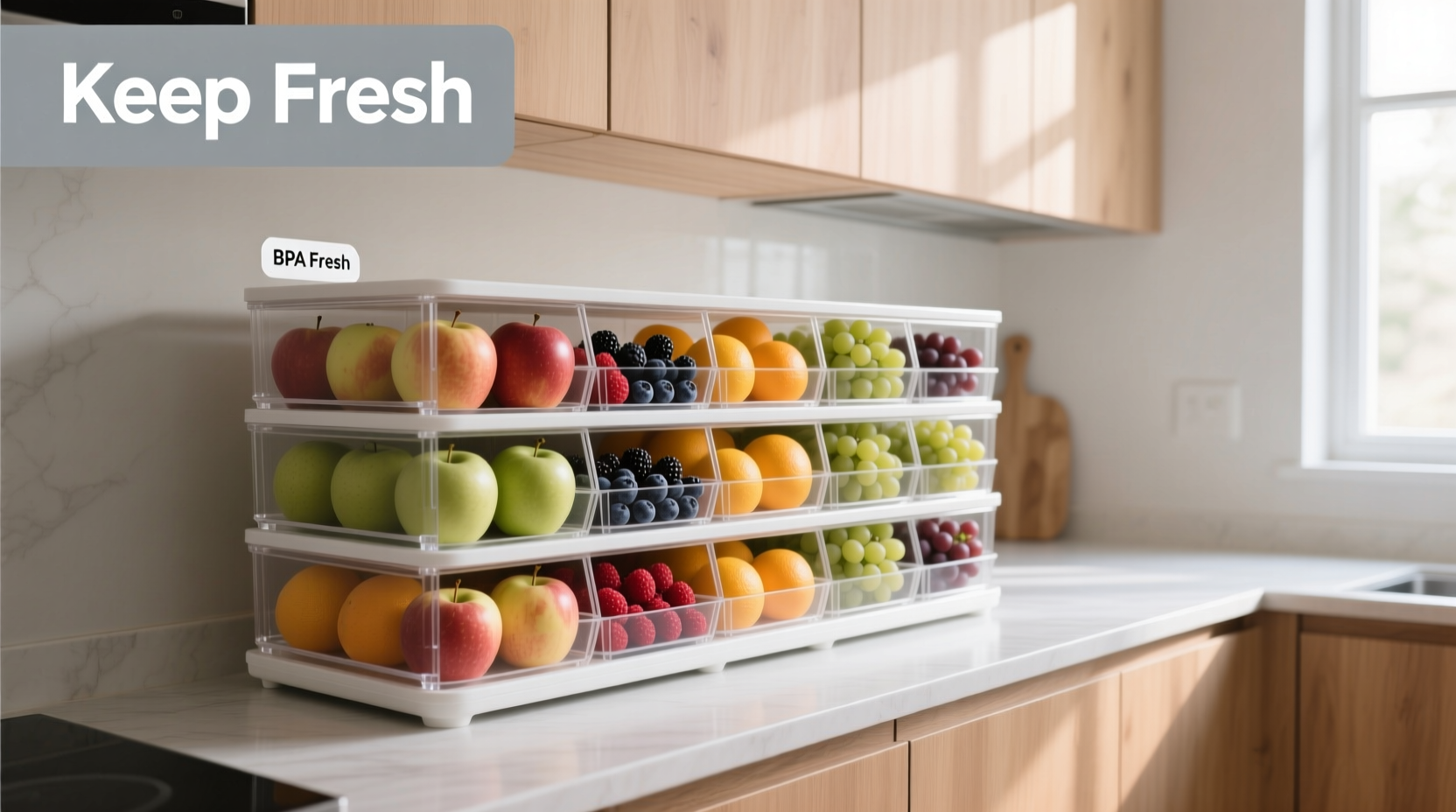
Fruits vary widely in texture, moisture content, ethylene production, and shelf life. Grouping them improperly can accelerate ripening or cause bruising. For example, apples and bananas emit high levels of ethylene gas, which speeds up the ripening of nearby sensitive fruits like strawberries and grapes. To maintain freshness across a mixed tray:
- Separate ethylene-producing fruits (apples, pears, bananas) from ethylene-sensitive ones (berries, melons, citrus).
- Place firmer fruits at the base (pineapple, mangoes) and delicate items on top (kiwi slices, berries).
- Avoid pre-cutting highly perishable fruits until close to service time.
Optimize Tray Layout for Space and Accessibility
Efficient use of space doesn’t mean packing every inch—it means designing for airflow, visibility, and ease of access. Overcrowding leads to trapped moisture, increased handling, and faster decay. A well-designed tray allows guests or users to take what they need without disturbing the rest.
- Use tiered platforms: Elevate certain sections using food-safe risers to create vertical layers. This increases visible surface area without expanding footprint.
- Arrange by color and shape: Group similar colors together not only for visual appeal but also because it simplifies inventory checks and restocking.
- Leave breathing room: Maintain at least ½ inch between clusters to allow air circulation and reduce condensation buildup.
| Layout Method | Best For | Space Efficiency |
|---|---|---|
| Flat Spread | Small events, short display times | Moderate |
| Tiered Display | Buffets, large gatherings | High |
| Zoned Segregation | Commercial kitchens, dietary-specific needs | High |
| Circular Flow | Serving lines, self-service stations | Moderate-High |
Control Temperature and Humidity for Peak Freshness
Even the most thoughtfully arranged tray will fail if stored under poor environmental conditions. Most fresh fruits perform best between 32°F and 40°F (0°C–4°C), with relative humidity maintained at 85–95%. However, some tropical fruits like bananas and mangoes suffer from chilling injury below 50°F, so they should be displayed briefly and replenished frequently.
For long-term holding before service:
- Store covered trays in walk-in coolers with consistent airflow.
- Use perforated plastic lids or breathable wraps instead of sealing tightly—this prevents moisture pooling.
- Monitor fridge temperature daily; fluctuations degrade quality faster than steady cold.
“Temperature consistency is non-negotiable when managing bulk fruit displays. A fluctuation of just 5 degrees over two hours can reduce shelf life by up to 30%.” — Dr. Lena Torres, Postharvest Physiologist, University of California Cooperative Extension
Step-by-Step Guide to Preparing a High-Capacity Fruit Tray
Follow this timeline-based process to ensure optimal organization and longevity:
- 48 Hours Before Service: Order and receive fruit. Inspect for damage and sort by ripeness. Store each type according to its ideal condition (e.g., bananas at room temp, berries chilled).
- 24 Hours Before: Wash and dry firm fruits (apples, grapes, oranges). Do not cut yet. Store in ventilated containers in the cooler.
- 6 Hours Before: Prepare bases and tiers. Sanitize trays and tools. Begin assembling durable components like melon balls or pineapple spears.
- 2–3 Hours Before: Add softer fruits (kiwi, peaches, plums). Insert dividers where needed. Chill fully assembled tray.
- 30 Minutes Before Serving: Add berries, grapes, and other delicate items. Cover loosely with perforated film. Transport to display area.
- During Service: Replace depleted sections with backup trays rather than refilling in place. Discard any tray left unrefrigerated for over two hours.
Real-World Example: Hotel Brunch Buffet Optimization
A mid-sized hotel in Austin struggled with excessive fruit waste during weekend brunches. Their large central tray was restocked multiple times per hour, yet guests often avoided certain sections due to mushy textures or waterlogged appearances. After consulting a foodservice logistics specialist, they implemented zoned segregation with elevated platforms and switched to staggered replenishment using smaller satellite trays.
The changes were simple but effective: melons and pineapples stayed on ice at the main station, while berries and grapes were placed on rotating side trays replaced every 45 minutes. Staff prepped 80% of ingredients off-peak and used color-coded bins for quick swaps. Within three weeks, fruit waste dropped by 42%, guest satisfaction scores rose, and labor time decreased due to streamlined refills.
Essential Checklist for Efficient Large Capacity Fruit Tray Management
Use this checklist before every major setup:
- ☐ Verify cooler temperatures are stable (32–40°F)
- ☐ Sort fruits by ethylene sensitivity and firmness
- ☐ Clean and sanitize all trays, cutting boards, and utensils
- ☐ Prepare tiered bases or dividers for separation
- ☐ Wash and thoroughly dry all produce before assembly
- ☐ Assemble sturdier fruits first; add delicate ones last
- ☐ Cover with breathable wrap or perforated lid
- ☐ Label with preparation and discard time
- ☐ Position in low-traffic area with good airflow during service
- ☐ Monitor and replace trays every two hours if not refrigerated
Frequently Asked Questions
Can I prepare a large fruit tray the night before?
You can prepare up to 70% of the tray the night before—firm fruits like apples, grapes, melons, and citrus hold well when dried and chilled. Avoid adding berries, bananas, or pre-sliced soft fruits until the morning of service to prevent sogginess and oxidation.
How do I prevent browning on cut apples and pears?
Dip slices in a solution of one tablespoon lemon juice mixed with one cup of cold water for 1–2 minutes, then drain and pat dry. Alternatively, use commercial anti-browning sprays made from vitamin C. Do not soak excessively, as this alters texture.
What’s the maximum safe display time for a fruit tray?
Two hours is the general limit for any perishable food left at room temperature. If the ambient temperature exceeds 90°F (32°C), reduce that to one hour. Always have chilled backups ready for immediate swap-in.
Final Thoughts: Small Adjustments, Big Impact
Efficient large capacity fruit tray storage isn't about doing more—it's about working smarter. By understanding compatibility, mastering layout design, controlling environment, and following a disciplined prep schedule, you extend freshness, reduce waste, and elevate presentation. Whether you're hosting a family gathering or managing a commercial kitchen, these strategies transform a routine task into a model of precision and care.




 浙公网安备
33010002000092号
浙公网安备
33010002000092号 浙B2-20120091-4
Comments
No comments yet. Why don't you start the discussion?