
A large capacity wallet offers undeniable convenience—plenty of room for cards, cash, receipts, and even small essentials. But with great space comes great responsibility. Without a deliberate organization system, what begins as utility can quickly descend into chaos. A bloated, overstuffed wallet not only becomes cumbersome but also defeats the purpose of portability and efficiency. The key isn’t just having space—it’s using it wisely. By applying strategic organization, disciplined categorization, and intentional habits, you can transform your oversized wallet into a streamlined command center for your daily essentials.
1. Audit Your Wallet Contents Regularly
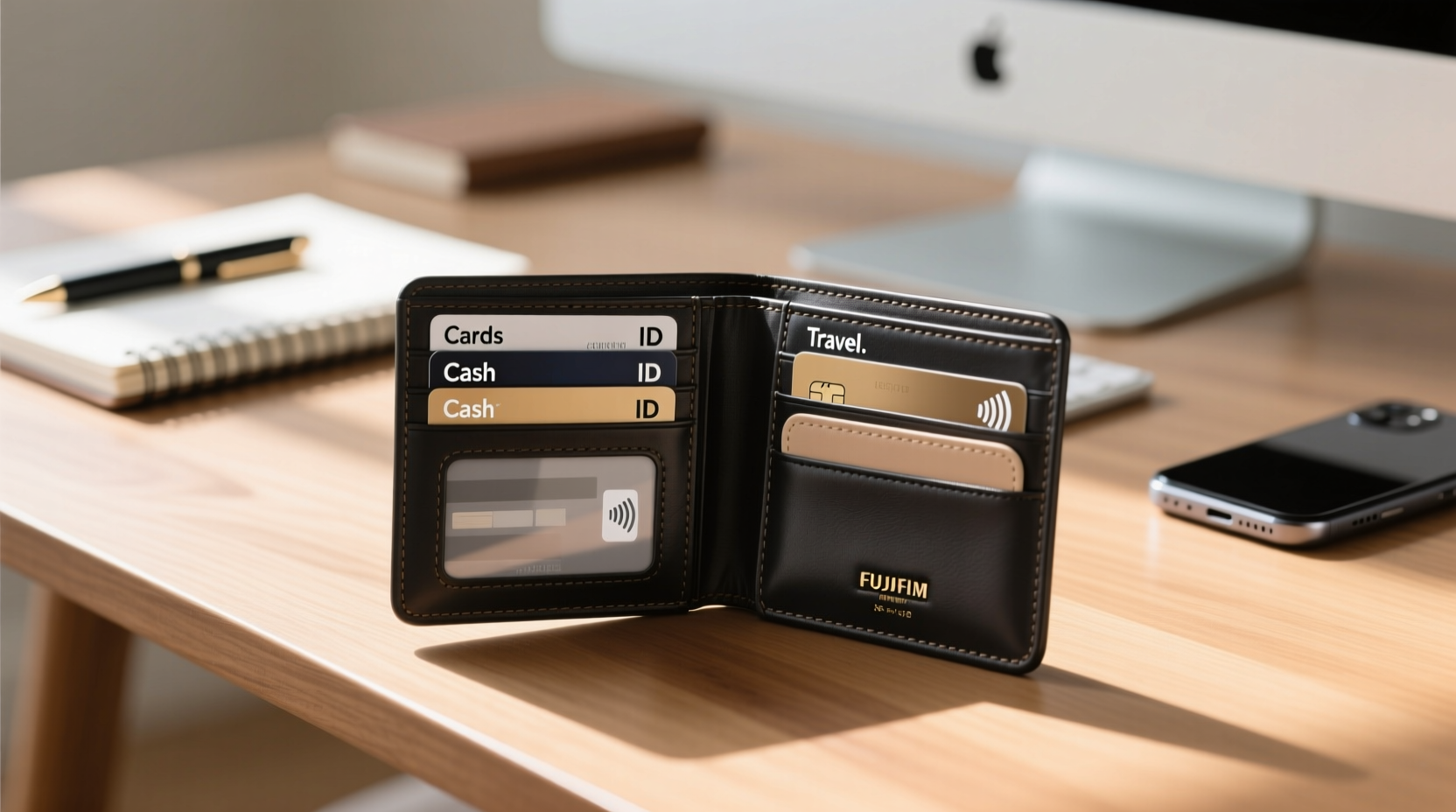
The first step toward efficient space utilization is understanding what you’re carrying. Most people accumulate items over time without reassessing their necessity. Begin by emptying your wallet completely onto a clean surface. Sort every item into categories: identification, payment cards, loyalty cards, cash, receipts, and miscellaneous (e.g., business cards, sticky notes).
Now evaluate each category critically. Ask yourself:
- Do I use this card weekly?
- Is this receipt still needed?
- When was the last time I accessed this membership pass?
Eliminate anything outdated, redundant, or rarely used. This process isn’t about minimalism for its own sake—it’s about intentionality. A leaner wallet reduces bulk and makes retrieval faster.
2. Implement a Categorization System
Once you’ve reduced your load, organize what remains with a clear structure. Think of your wallet like a filing cabinet—each section should serve a distinct function. Use designated slots and pockets according to priority and frequency of use.
Here’s a recommended layout:
- ID & Essentials: Driver’s license, government ID, health insurance card—place in quick-access slots.
- Primary Payment Cards: Credit/debit cards used daily go in front-facing slots.
- Backup & Occasional Cards: Store secondary cards deeper inside or in zippered compartments.
- Cash: Use a dedicated billfold; fold bills uniformly for neat stacking.
- Loyalty & Rewards: Group in one sleeve or use a digital alternative when possible.
Reserve outer pockets for high-frequency access items only. Avoid turning your wallet into a catch-all for parking stubs, expired coupons, or paper scraps.
3. Optimize Space with Smart Accessories
Many large wallets come with underutilized sections such as coin pockets, transparent sleeves, or hidden compartments. These aren’t decorative—they’re functional tools when leveraged correctly.
Consider integrating slim accessories designed for space efficiency:
- Cardholders: Use ultra-slim multi-card holders for infrequently used cards.
- Mini envelopes: Folded notes or emergency cash can be tucked into micro-pouches.
- RFID-blocking sleeves: Protect sensitive cards while maintaining separation from others.
Digital alternatives also play a role. Replace physical loyalty cards with mobile versions via apps like Apple Wallet or Google Pay, freeing up multiple slots.
“Efficiency isn’t about carrying more—it’s about accessing what matters fastest.” — Marcus Lin, Productivity Consultant
4. Strategic Placement Based on Usage Frequency
Human behavior follows patterns, and your wallet should reflect that. Apply the “principle of proximity”: the more often you use an item, the easier it should be to reach.
Create a hierarchy of access:
| Usage Level | Items | Recommended Location |
|---|---|---|
| Daily (High) | Debit card, driver’s license, folded cash | Front slots or open flap compartment |
| Weekly (Medium) | Credit card, office badge, transit pass | Middle card slots or inner sleeve |
| Rare (Low) | Backup ID, emergency card, rewards | Back pocket or zippered section |
| Nearly Never | Expired cards, old receipts | Remove entirely |
This tiered approach minimizes fumbling during transactions and keeps critical items secure yet accessible.
5. Real-Life Example: Transforming a Cluttered Wallet
Take James, a sales manager who carried a premium leather wallet with 18 card slots, two bill compartments, and a zipper pouch. Over time, his wallet became so thick it wouldn’t close properly. After a routine audit, he discovered:
- Five unused store credit cards
- Three expired membership passes
- Multiple copies of the same insurance card
- Loose coins and crumpled receipts
He applied the categorization method, removed redundancies, transferred loyalty programs to his phone, and began using a compact card stacker for backup cards. The result? His wallet volume decreased by 60%, closure improved, and he reported feeling more confident and organized during client meetings.
Step-by-Step Guide to Optimizing Your Wallet
Follow this five-step process monthly to maintain peak efficiency:
- Empty Completely: Remove everything and lay items out for inspection.
- Categorize: Group by type (ID, payment, loyalty, cash, misc).
- Eliminate: Discard expired, duplicate, or unused items.
- Assign Zones: Place remaining items in designated areas based on usage frequency.
- Test & Adjust: Use it for three days, then refine placement if retrieval feels slow.
Repeat this cycle regularly to adapt to lifestyle changes—new jobs, updated memberships, or shifts in spending habits.
Common Mistakes That Waste Wallet Space
Avoid these pitfalls that sabotage even the best-designed wallets:
- Overstuffing: Forces material to stretch and damages stitching.
- Mixing Paper with Cards: Receipts and notes create friction and make cards hard to slide out.
- Ignoring Weight: Excessive bulk adds strain when sitting or moving.
- Keeping Digital Duplicates: Why carry a physical gift card when the app version exists?
Every added item has a cost—not just in space, but in usability and comfort.
FAQ
How many cards should I realistically carry?
Most experts recommend carrying no more than 6–8 essential cards: two primary payment methods, ID, health insurance, work badge, and one backup card. Anything beyond that increases clutter without meaningful benefit.
Can a large wallet still be minimalist?
Absolutely. Minimalism isn’t defined by size but by intentionality. A large wallet can be minimalist if every item inside serves a current, necessary purpose and is thoughtfully arranged.
What’s the best way to store cash in a big wallet?
Fold all bills in half (or thirds) and align them neatly in the main billfold. Avoid stuffing multiple layers loosely, which causes bulging. If you frequently carry different currencies, use separate compartments or small labeled dividers.
Final Thoughts: Efficiency Through Discipline
A large capacity wallet is only as effective as the system behind it. Without structure, extra space invites clutter. With smart strategies—regular audits, intelligent categorization, and usage-based placement—you turn potential chaos into controlled convenience. The goal isn’t to fill every slot, but to ensure every slot earns its place.
Start today. Empty your wallet, question each item, and rebuild it with purpose. You’ll notice the difference not just in your pocket, but in your daily confidence and rhythm.




 浙公网安备
33010002000092号
浙公网安备
33010002000092号 浙B2-20120091-4
Comments
No comments yet. Why don't you start the discussion?