
Traveling light doesn’t just mean packing fewer clothes—it’s about optimizing every detail, down to how you carry small essentials. One of the most underrated tools for seamless travel is the humble coin purse keychain. Compact, secure, and always within reach, it can transform how you manage cash, cards, keys, and even emergency items while on the move. When used strategically, this tiny accessory becomes a powerhouse of convenience, especially in crowded airports, busy train stations, or foreign cities where efficiency matters.
The key isn’t just owning a coin purse keychain—it’s using it wisely. From choosing the right design to organizing its contents effectively, a few intentional habits can make a significant difference in your day-to-day mobility and peace of mind.
Why a Coin Purse Keychain Is a Travel Game-Changer
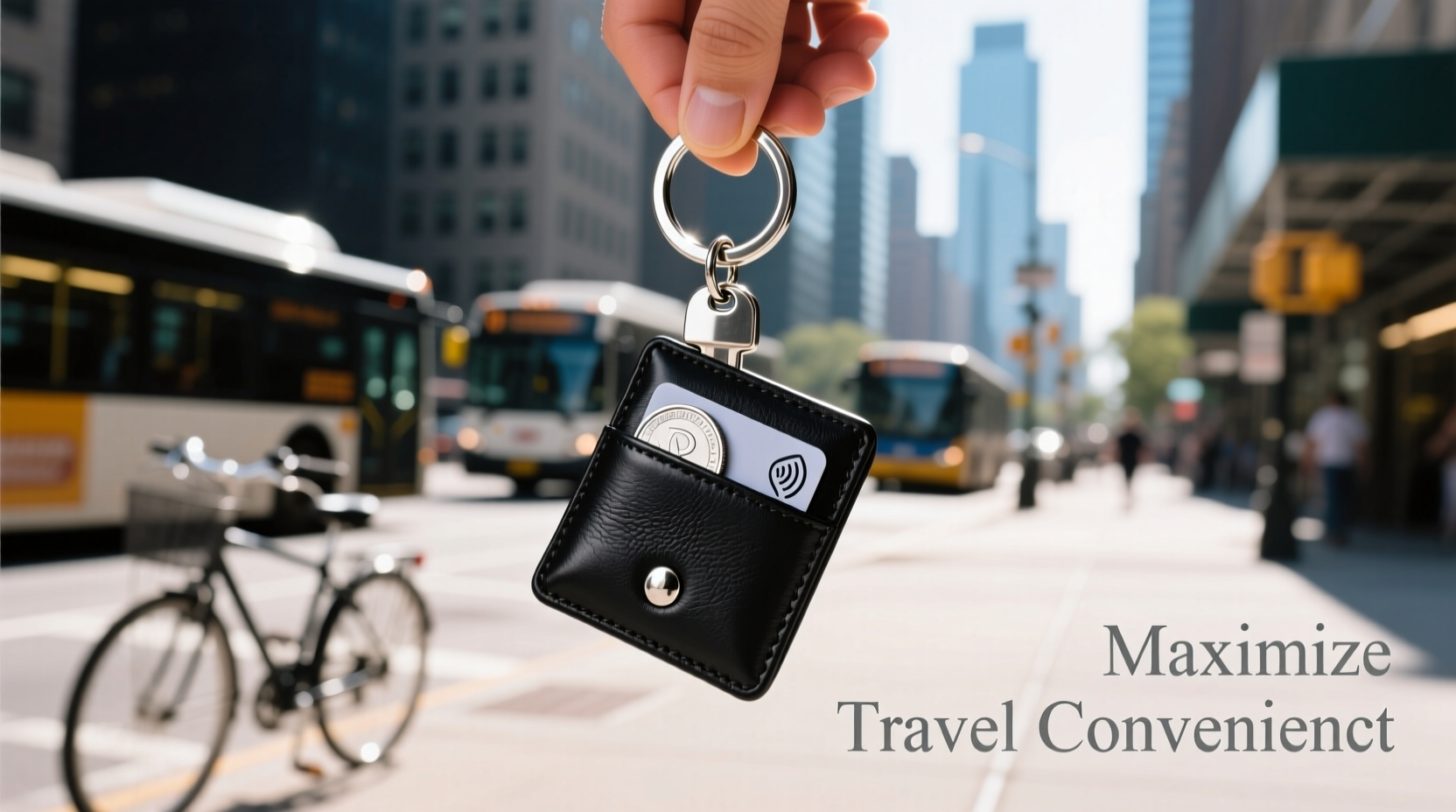
A coin purse keychain merges two essential functions: storage and attachment. Unlike traditional wallets or loose pockets, it keeps critical small items tethered to your person, reducing the risk of loss. Its compact size makes it ideal for quick access without unpacking a full bag. Whether you're hopping on a metro, grabbing a coffee between flights, or navigating a bustling market, having coins, transit cards, or backup keys at your fingertips saves time and stress.
Modern designs now feature RFID-blocking materials, zippered compartments, and even hidden slots for emergency cash or micro-tools. These upgrades turn what was once a simple novelty into a functional travel essential.
Choosing the Right Design for Your Needs
Not all coin purse keychains are created equal. The best choice depends on your travel habits, destination, and personal preferences. Consider these factors when selecting one:
- Material: Leather offers durability and elegance; silicone or nylon is water-resistant and lightweight.
- Size: Small enough to stay unobtrusive but large enough to hold essentials like folded bills, two to three cards, and spare change.
- Closure Type: Zippers provide security; snap buttons allow faster access but may open accidentally.
- Attachment Style: Carabiner clips offer flexibility; fixed rings work well if attached to a keyring.
- Compartments: Multiple sections help separate coins from cards or ID.
“Compact organization tools like coin purse keychains reduce cognitive load during travel. When small decisions disappear, travelers feel more in control.” — Dr. Lena Torres, Behavioral Researcher in Mobility Design
Smart Ways to Organize Contents
What you put in your coin purse keychain should reflect immediate needs—not everything you own. Overloading defeats the purpose of convenience. Instead, curate a minimal yet practical set of items tailored to your journey.
| Purpose | Recommended Items | Avoid |
|---|---|---|
| Daily Transit | Local currency coins, metro card, ID | Receipts, extra keys |
| International Trip | Emergency cash (foreign currency), backup SIM card | Frequent flyer cards, bulky items |
| Outdoor Adventure | Multi-tool, fire starter, compass | Wallet-sized photos, fragile items |
For example, if you’re traveling in Japan, where vending machines and small purchases dominate, keep yen coins and a Suica card handy. In Europe, euros and a national rail pass might be more useful. Tailoring contents prevents digging and reduces exposure to pickpockets.
Step-by-Step: Setting Up Your Travel Keychain
- Evaluate your itinerary: Identify frequent small transactions or access points (e.g., toll roads, lockers).
- Select core items: Choose up to four essentials—coins, local transit card, backup house key, emergency contact note.
- Test weight and balance: Clip it to your belt or bag and walk around. It shouldn’t bounce or catch.
- Label discreetly: Use a tiny tag with your initials or “BACKUP” so others know it’s important if lost.
- Update weekly: Replace expired transit cards, remove unnecessary receipts, refresh emergency cash.
Real-World Example: Navigating Tokyo Efficiently
Sophie, a freelance photographer visiting Tokyo for the first time, decided to ditch her bulky wallet in favor of a minimalist setup. She attached a leather coin purse keychain to her camera bag’s shoulder strap, loading it with 500 yen in coins, a charged Suica card, her hotel room key duplicate, and a folded slip with her hostel’s address in Japanese.
During her week-long trip, she never had to open her main bag at vending machines, convenience stores, or subway gates. When her phone died mid-commute, she still accessed transportation and showed her address to a helpful station attendant. By keeping only mission-critical items in her keychain, Sophie moved through the city faster and with greater confidence than she had in previous trips.
“It sounds minor,” she later said, “but not fumbling for change while everyone waits behind me made me feel less like a tourist and more like I belonged.”
Common Mistakes and How to Avoid Them
Even experienced travelers fall into traps that undermine the usefulness of their keychains. Awareness helps prevent these pitfalls:
- Overloading: Too many keys or thick stacks of cards cause bulk and strain on the clasp.
- Neglecting maintenance: Dirt and moisture degrade zippers and fabrics over time.
- Using flimsy attachments: Weak split rings break easily; opt for solid carabiners or reinforced loops.
- Ignoring security: Unzipped pouches in crowded areas invite theft.
- Forgetting localization: Carrying only USD abroad limits usability—even small amounts of local currency matter.
“A well-designed carry system isn’t about carrying less—it’s about carrying right.” — Marcus Reed, Urban Mobility Consultant
Checklist: Optimizing Your Coin Purse Keychain Routine
- ☐ Choose a durable, appropriately sized keychain with secure closure
- ☐ Limit contents to 3–4 high-priority items
- ☐ Include emergency cash in local currency
- ☐ Attach it to a frequently used item (bag, belt, wristlet)
- ☐ Clean monthly with a dry cloth; inspect for wear
- ☐ Swap out items based on destination or season
- ☐ Practice one-handed opening to build muscle memory
FAQ
Can I bring a metal coin purse keychain through airport security?
Yes, in most cases. As long as it’s inside your carry-on or in a pocket, it will go through screening like any other personal item. However, if it contains sharp objects (like built-in tools), declare them to avoid delays.
Is it safe to store a credit card in a coin purse keychain?
Only if the pouch has RFID-blocking protection. Otherwise, consider using it for a secondary or prepaid card rather than your primary bank card to minimize risk of digital skimming.
How do I clean my coin purse keychain?
Wipe down exterior surfaces with a slightly damp cloth. For fabric or leather, use a specialized cleaner sparingly. Never submerge it in water unless specified by the manufacturer.
Final Thoughts: Small Tool, Big Impact
The value of a coin purse keychain lies not in its size, but in its potential to simplify your movement through the world. In an age where travel often feels overwhelming—overbooked schedules, complex transit systems, language barriers—a single, reliable point of access for essentials brings quiet reassurance. When thoughtfully curated, this small tool supports autonomy, speed, and confidence.
Start today: take five minutes to audit what you currently carry. Remove redundancies. Invest in a quality keychain that suits your lifestyle. Load it with intention. You’ll soon find that the smallest additions to your routine can yield the greatest returns in convenience.




 浙公网安备
33010002000092号
浙公网安备
33010002000092号 浙B2-20120091-4
Comments
No comments yet. Why don't you start the discussion?