
Staying warm in cold weather isn’t just about bundling up—it’s about smart layering, material selection, and understanding how your body manages heat. Thermal clothing, when used correctly, can make the difference between enduring winter conditions and thriving in them. Whether you're hiking in sub-zero temperatures, commuting in freezing cities, or simply trying to stay comfortable at home, mastering the effective use of thermal wear is essential.
The Science Behind Thermal Clothing
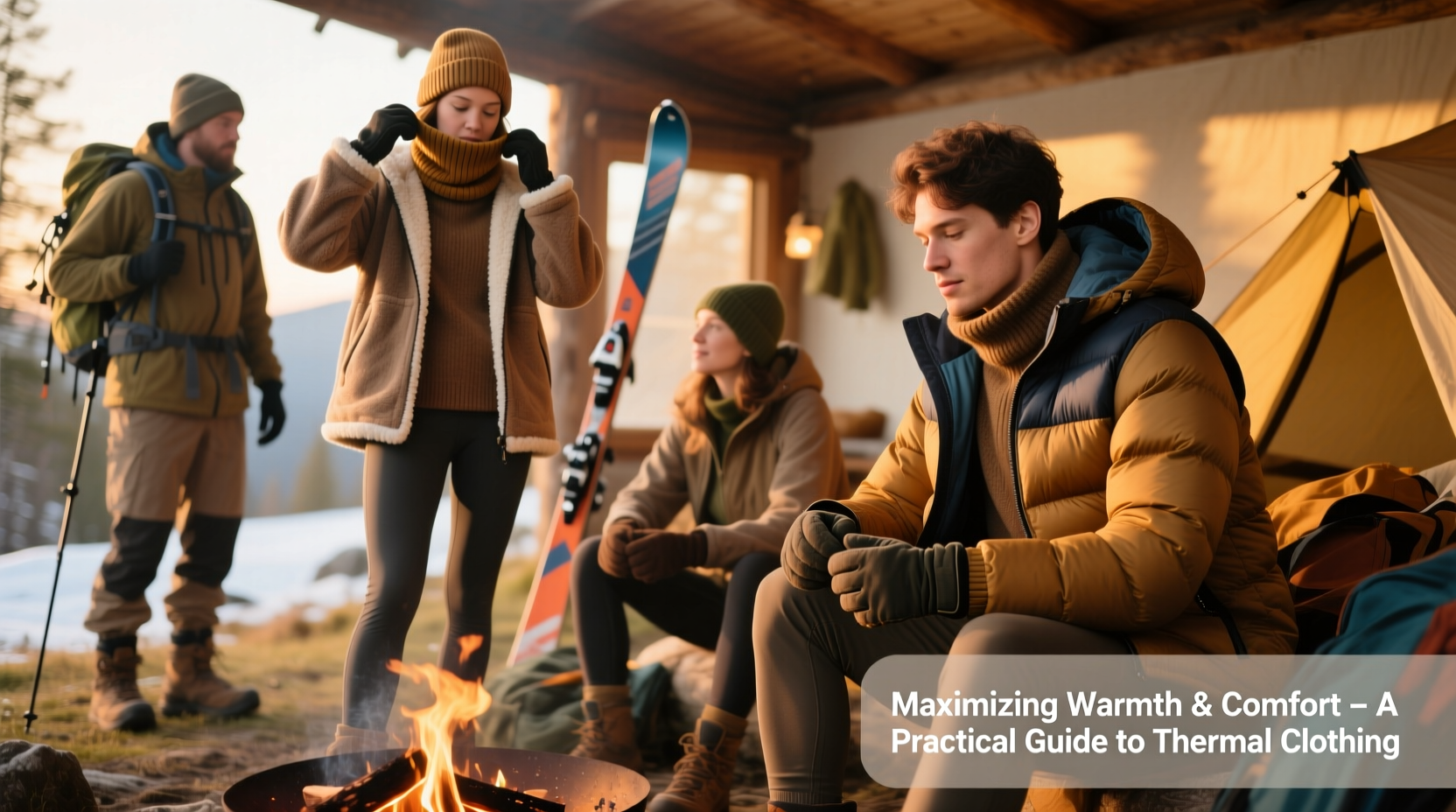
Thermal clothing works by trapping body heat close to the skin while wicking moisture away. Unlike regular fabrics that absorb sweat and cool the body, high-performance thermal materials are engineered to regulate temperature through insulation and breathability. The key lies in their construction: synthetic fibers like polyester and polypropylene, or natural options like merino wool, create tiny air pockets that act as insulators.
When your body generates heat, these micro-pockets retain it, forming a protective barrier against external cold. At the same time, moisture-wicking properties prevent dampness from accumulating—critical because wet skin loses heat up to 25 times faster than dry skin.
“Effective thermal wear isn’t just about thickness—it’s about managing three factors: heat retention, moisture transfer, and airflow.” — Dr. Lena Torres, Outdoor Performance Researcher, Alpine Institute
Layering: The Foundation of Thermal Efficiency
Proper layering is the cornerstone of staying warm. A well-structured system consists of three distinct layers, each serving a specific function:
- Base Layer (Thermal Layer): Directly against the skin, this layer wicks moisture and retains heat. Opt for snug-fitting, breathable fabrics like merino wool or synthetic blends.
- Mid Layer (Insulating Layer): This traps heat and adds warmth. Fleece jackets, down vests, or lightweight wool sweaters work best here.
- Outer Layer (Shell Layer): Protects against wind, rain, and snow. Choose breathable, waterproof, and windproof materials like Gore-Tex or similar technical shells.
Common Layering Mistakes
Even experienced outdoorspeople sometimes get layering wrong. Overdressing leads to excessive sweating, which saturates base layers and compromises warmth. On the other hand, under-layering exposes you to rapid heat loss. The goal is balance—adjust layers dynamically based on activity level and ambient temperature.
Selecting the Right Materials
Not all thermal clothing performs equally. Material choice significantly impacts comfort, durability, and warmth. Below is a comparison of common thermal fabrics:
| Material | Warmth | Moisture Wicking | Durability | Best For |
|---|---|---|---|---|
| Merino Wool | High | Excellent | Good | All-day wear, sensitive skin, variable conditions |
| Polyester Blend | Moderate-High | Very Good | Excellent | High-intensity activities, budget-friendly options |
| Polypropylene | High | Good | Fair | Extreme cold, dry environments |
| Cotton | Low when wet | Poor | Good (dry) | Avoid in cold conditions |
Merino wool stands out for its natural odor resistance and ability to insulate even when damp. However, synthetic blends offer better durability and lower cost, making them ideal for active users.
Step-by-Step Guide to Using Thermal Clothing Effectively
Follow this timeline-based approach before, during, and after exposure to cold environments:
- Pre-Outdoor Preparation (30 minutes prior): Put on your base layer indoors. This allows your body to adjust without overheating. Avoid heavy mid-layers until you’re outside and active.
- During Activity: Begin with minimal insulation. As your body warms up, open zippers or vents to release excess heat. Never wait until you’re sweating heavily to adjust.
- At Rest Stops: Immediately add your mid and outer layers. Heat loss accelerates during inactivity. Keep gloves and a hat accessible.
- In Wet Conditions: Ensure your shell layer is fully sealed. Check cuffs, collars, and hems for gaps where wind or moisture can enter.
- After Exposure: Change out of damp base layers as soon as possible. Store used thermal wear in a dry, ventilated area to preserve fabric integrity.
Real-World Example: Winter Hiking in the Rockies
Consider Mark, an experienced hiker tackling a 10-mile trail in Colorado at -10°C (14°F). He wears a merino wool base layer, a fleece mid-layer, and a waterproof-breathable shell. Within 20 minutes of climbing, he begins to sweat. Instead of pushing through, he unzips his jacket and removes his hat. At the summit, where wind chill drops the perceived temperature to -20°C (-4°F), he quickly adds a down vest and seals his hood.
Because he managed his layers proactively, Mark avoids both overheating and chilling. His base layer remains dry, and he finishes the hike without discomfort. Had he worn cotton long johns or skipped the shell, the outcome could have been dangerous.
Checklist: Optimizing Your Thermal Wear Routine
- ✅ Always start with a moisture-wicking base layer
- ✅ Match layer thickness to expected temperature and activity level
- ✅ Avoid cotton in any layer exposed to cold or sweat
- ✅ Carry an extra mid-layer for rest periods
- ✅ Regularly inspect seams, zippers, and fabric wear
- ✅ Wash thermal clothing according to manufacturer instructions (e.g., no fabric softeners)
- ✅ Store clean and dry—never packed tightly for long periods
Frequently Asked Questions
Can I wear thermal clothing in extremely humid cold climates?
Yes, but material choice is critical. Merino wool performs better than synthetics in humid cold because it retains warmth even when slightly damp. Pair it with a highly breathable outer shell to manage condensation buildup.
How often should I replace my thermal base layers?
With proper care, high-quality base layers last 2–5 years. Replace them if they lose elasticity, develop thin spots, or no longer wick moisture effectively. Signs include lingering dampness and increased odor retention.
Is more layers always better?
No. Excessive layering restricts movement, increases sweat production, and can lead to overheating. Three well-chosen layers are typically sufficient. Adjust based on real-time comfort, not preconceived notions of “how cold it feels outside.”
Final Thoughts: Warmth Is a System, Not a Single Garment
Maximizing warmth and comfort isn’t about buying the thickest sweater or most expensive jacket—it’s about understanding how your body interacts with the environment and responding intelligently. Thermal clothing is most effective when treated as part of a dynamic system: one that adapts to movement, weather shifts, and individual physiology.
By selecting the right materials, applying strategic layering, and adjusting in real time, you gain control over your thermal experience. Whether facing a brutal commute or an alpine expedition, these principles ensure you stay warm, dry, and safe.




 浙公网安备
33010002000092号
浙公网安备
33010002000092号 浙B2-20120091-4
Comments
No comments yet. Why don't you start the discussion?