
In an era where time is one of our most valuable resources, wearable cameras offer a unique opportunity to document life as it unfolds while freeing our hands and minds. From memory preservation to personal productivity tracking, these compact devices are more than just tools for vloggers or adventurers. When used thoughtfully, they can enhance daily routines, support mindfulness, and even improve decision-making. The key lies not in constant recording but in intentional use.
Wearable cameras like the GoPro Hero, DJI Osmo Action series, or discreet options such as Narrative Clip or Insta360 X3 have evolved beyond action sports gear. They’re now viable companions for professionals, parents, creatives, and lifelong learners. However, simply wearing a camera isn’t enough. To truly maximize your day, you need strategy, awareness, and respect—for both technology and privacy.
1. Choose the Right Moments to Record
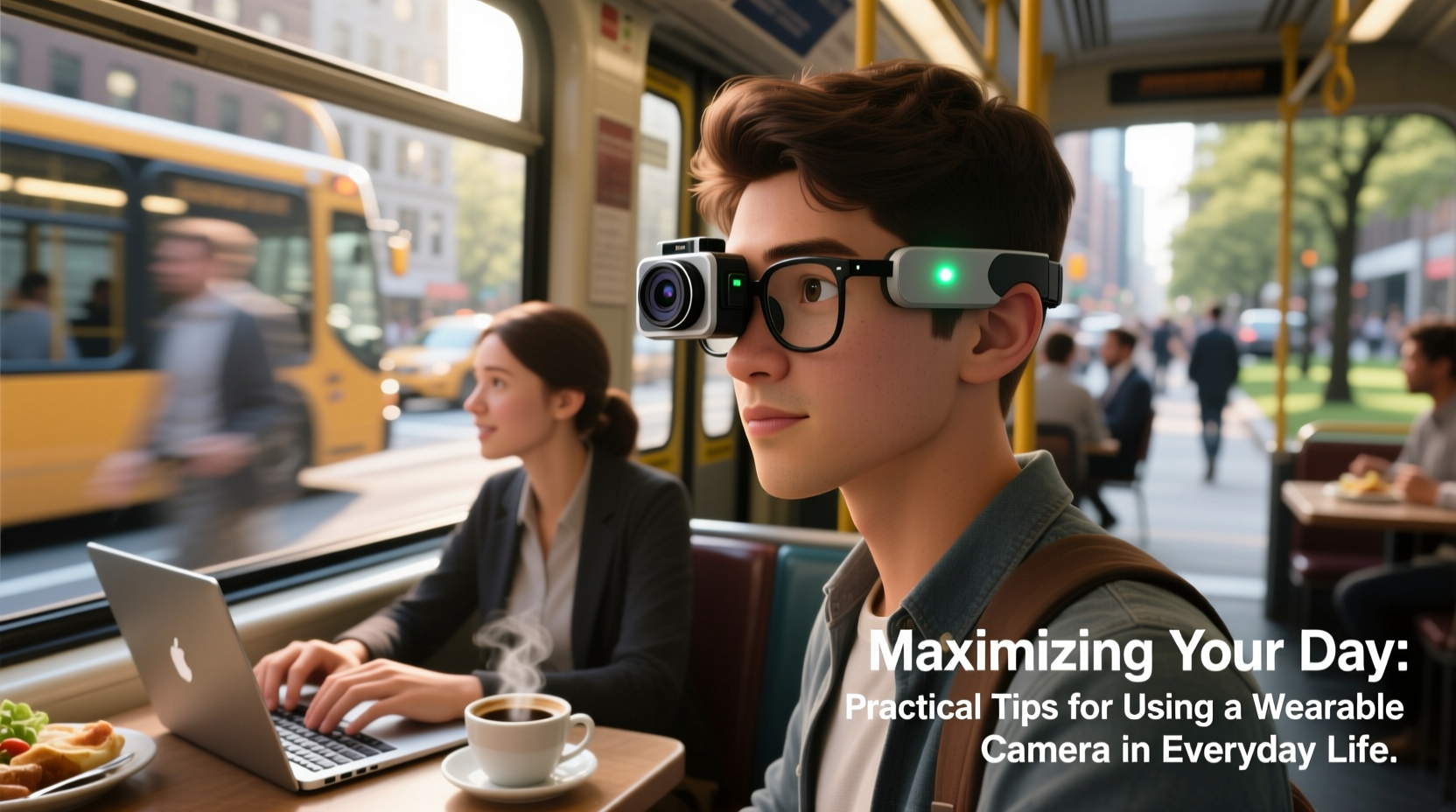
Continuous filming may seem appealing, but it leads to data overload and diminished focus on the present. Instead, adopt a selective approach: identify high-value moments worth capturing. These might include family outings, learning experiences, work projects, or fitness milestones.
Consider setting specific triggers for activation—like arriving at a new location, starting a workout, or beginning a creative session. This ensures recordings remain meaningful without becoming intrusive.
2. Optimize Placement for Natural Capture
The position of your wearable camera significantly affects usability and comfort. Chest mounts, hat clips, lanyards, and lapel attachments each offer different perspectives and levels of discretion.
- Chest level provides a natural field of view during walks or hands-on tasks.
- Head-mounted setups mimic eye-level vision, ideal for immersive documentation.
- Lapel clips keep the device unobtrusive in social or professional settings.
Avoid placing the camera where it draws unnecessary attention unless that’s part of your goal. Comfort also matters; if the device shifts or feels heavy, you're less likely to wear it consistently.
3. Integrate with Daily Routines Using a Schedule
To avoid overuse or underuse, build camera usage into your existing habits. Think of it as a tool for augmentation, not distraction.
- Morning walk: Activate camera to log outdoor observations or practice narration.
- Work sessions: Briefly record stand-up meetings or project walkthroughs (with consent).
- Fitness tracking: Wear during workouts to analyze form or track progress.
- Family time: Capture weekend activities selectively—focus on novelty, not surveillance.
- Evening review: Spend 10 minutes reviewing footage to reflect on insights or emotions.
This rhythm keeps usage purposeful and sustainable. Over time, patterns emerge—both in behavior and environment—that can inform better decisions.
4. Respect Privacy and Set Boundaries
One of the biggest challenges with wearable cameras is navigating social norms. Even in public spaces, people expect reasonable privacy. Transparency builds trust.
| Situation | Do | Don't |
|---|---|---|
| In someone's home | Ask permission before turning on | Assume it’s okay to record |
| Public transit | Use only if no identifiable faces are captured | Zoom in on strangers |
| Workplace collaboration | Announce recording and explain purpose | Secretly film conversations |
| Children playing | Blur faces in post or limit sharing | Post raw footage online |
“Ethical documentation starts with consent. If you wouldn’t want to be filmed in that moment, don’t assume others do.” — Dr. Lena Torres, Digital Ethics Researcher
5. Leverage Footage for Personal Growth
Beyond nostalgia, recorded video can serve functional purposes. Reviewing short clips helps reinforce learning, evaluate performance, and increase self-awareness.
A teacher might wear a camera during classroom instruction to assess engagement techniques. A cyclist could analyze body posture frame by frame. A writer may narrate ideas aloud while walking, later transcribing them from audio synced with visuals.
Mini Case Study: Enhancing Parental Presence
Sarah, a working mother of two, began using a lightweight wearable camera on weekends. Her goal wasn’t to record every second, but to capture brief, authentic interactions—her daughter’s first attempt at baking cookies, her son explaining a drawing he made. She set a rule: only record when she was fully engaged, never as a substitute for attention.
After three months, she reviewed select clips monthly. What surprised her wasn’t just the preserved memories, but how seeing herself interact helped her become more patient and present. She noticed small gestures—how often she smiled, whether she made eye contact—and adjusted accordingly. The camera didn’t replace presence; it deepened it.
Checklist: Smart Wearable Camera Habits
Before adopting a wearable camera into your lifestyle, ensure you’re doing so mindfully and effectively:
- ✅ Define your primary purpose (memory, learning, safety, creativity)
- ✅ Charge the device nightly or carry a backup battery
- ✅ Confirm local laws regarding audio and video recording
- ✅ Establish a naming and storage system for footage
- ✅ Limit daily recording to 1–3 key segments
- ✅ Delete unwanted clips within 48 hours to reduce clutter
- ✅ Inform others when recording in shared spaces
- ✅ Back up important videos weekly to cloud or external drive
FAQ
Can I wear a camera at work legally?
It depends on your location and workplace policy. In general, recording coworkers or private conversations without consent may violate labor or privacy laws. Always disclose usage and obtain approval from management and participants.
How long should I keep my daily clips?
Retain only what adds value. Routine footage without significance should be deleted within a week. Meaningful moments—milestones, achievements, emotional events—can be archived indefinitely with proper organization.
Are there health risks from wearing a camera all day?
Most modern wearable cameras emit minimal radiation and pose no known physical risk. However, psychological effects like increased self-consciousness or reduced spontaneity can occur. Balance usage with tech-free periods to maintain mental well-being.
Conclusion: Make Technology Serve Your Life, Not Control It
A wearable camera doesn’t promise a better day—it offers the potential for deeper awareness, richer memories, and improved self-reflection. But only if used with intention. The difference between distraction and enhancement lies in discipline: knowing when to press record, when to stop, and when to put the device away entirely.
Start small. Pick one routine—a morning ritual, a commute, a hobby—and experiment with documentation. Reflect on what changes in your perception. Over time, you’ll refine a personal system that complements your pace of life rather than competing with it.




 浙公网安备
33010002000092号
浙公网安备
33010002000092号 浙B2-20120091-4
Comments
No comments yet. Why don't you start the discussion?