
A well-organized espresso station is the foundation of a consistent, enjoyable coffee experience—whether at home or in a professional environment. While much attention is given to grinders, tampers, and portafilters, one often-overlooked tool plays a critical role in maintaining both hygiene and efficiency: the drying mat. Far more than just an absorbent pad, a drying mat can streamline your workflow, protect your equipment, and extend the lifespan of delicate components. When used correctly, it becomes an indispensable part of your daily routine.
The Role of a Drying Mat in Espresso Preparation
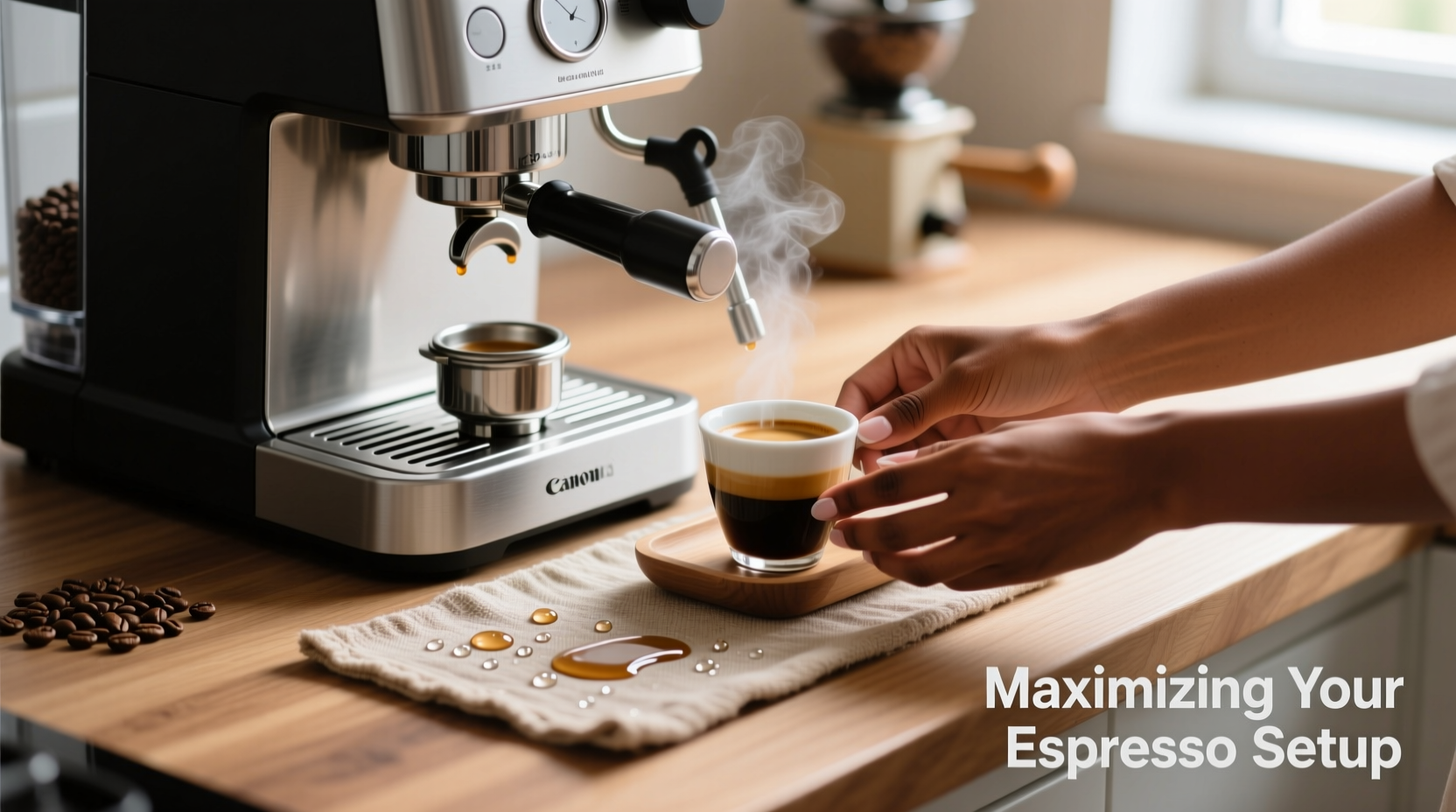
In the rhythm of pulling shots, steaming milk, and cleaning group heads, moisture accumulates quickly. Portafilters, steam wands, knock boxes, and even tampers frequently come into contact with water. Without a dedicated surface to manage this moisture, water pools on countertops, drips onto electrical components, and creates slipping hazards. A drying mat absorbs excess liquid, provides a safe resting place for wet tools, and prevents cross-contamination between stages of the brewing process.
High-quality drying mats are typically made from food-safe silicone, microfiber, or textured rubber—materials that balance absorption, durability, and ease of cleaning. Their placement directly in front of or beside the espresso machine makes them instantly accessible during service, reducing unnecessary movement and clutter.
Optimal Placement and Setup
Positioning your drying mat correctly enhances both safety and functionality. The ideal location is within immediate reach of the group head and steam wand, allowing you to wipe and rest tools without stretching or turning away from your primary workspace. Most baristas place the mat slightly to the right (for right-handed users) or left (for left-handed) of the machine, depending on workflow preference.
Ensure the mat lies flat and does not interfere with drawer access, drip trays, or power cords. If your countertop is narrow, consider a compact, foldable design that can be removed when not in use. In commercial settings, some setups integrate custom-cut mats that align precisely with the machine footprint, creating a seamless, professional look.
“Even small improvements in ergonomics can reduce fatigue and increase shot consistency over time.” — Luca Moretti, Head Barista Trainer at Milan Coffee Academy
Step-by-Step Guide to Using a Drying Mat Effectively
To get the most out of your drying mat, follow this practical sequence every time you prepare or clean your espresso machine:
- Pre-wet and purge: After turning on the machine, run water through the group head and steam wand. Wipe the steam wand immediately with a damp cloth and place it on the drying mat to air-dry.
- Dry tools after rinsing: After knocking out puck residue and rinsing the portafilter, shake off excess water and lay it upside down on the mat. The handle should hang slightly over the edge to allow full drainage.
- Use during milk steaming: Between pitchers, wipe the steam wand thoroughly and rest it on the mat. Avoid letting droplets accumulate on the counter.
- Clean mid-session: If the mat becomes saturated, replace it with a dry one (if using dual mats) or rinse and wring it out during a break in service.
- End-of-day maintenance: Remove the mat, rinse under warm water, scrub gently with mild soap if needed, and hang or lay flat to dry completely before reuse.
Common Mistakes and How to Avoid Them
Even experienced users can fall into habits that diminish the effectiveness of their drying mat. Below are frequent errors and their solutions:
| Mistake | Consequence | Solution |
|---|---|---|
| Leaving the mat permanently under the portafilter holder | Traps moisture, promotes mold, and corrodes metal parts | Remove and dry the mat daily; avoid placing it beneath hot components |
| Using a non-absorbent or decorative mat | Water spreads, increasing slip risk and contamination | Select materials designed for moisture management (e.g., silicone with micro-texture) |
| Overloading the mat with too many tools | Reduces airflow, slows drying, and increases bacterial growth | Lay items in a single layer with space between them |
| Neglecting regular cleaning | Build-up of coffee oils and limescale affects hygiene | Wash weekly with vinegar solution or espresso machine cleaner |
Enhancing Longevity and Performance: Best Practices
To ensure your drying mat remains effective and sanitary, adopt these best practices:
- Rotate multiple mats: Having two or three allows one to dry while others are in use, especially important in high-volume environments.
- Avoid direct heat exposure: Never place the mat directly under a hot group head or against heated surfaces, as this can warp silicone or degrade fibers.
- Pair with a drip tray: Use the mat in conjunction with your machine’s built-in drip tray for layered protection against spills.
- Label mats in shared spaces: In offices or communal kitchens, designate specific mats for espresso tools to prevent cross-use with food prep areas.
Mini Case Study: Improving Workflow at Brew & Co. Café
Brew & Co., a specialty café in Portland, noticed increased cleanup time and inconsistent shot preparation during peak hours. After observing barista movements, the owner realized tools were being dried haphazardly on towels, leading to cross-contamination and slower turnover. They introduced high-grip silicone drying mats with grooved channels near each machine and trained staff to use them consistently.
Within two weeks, spill incidents dropped by 70%, and baristas reported smoother transitions between shots. “We regained nearly 15 seconds per drink,” said manager Diana Reyes. “The mat keeps everything in its place, and we’re not constantly wiping down counters.” The change also reduced towel usage by half, cutting laundry costs and environmental impact.
Essential Checklist for Drying Mat Maintenance
Stay on top of your drying mat’s condition with this simple checklist:
- ✅ Inspect daily for trapped debris or odors
- ✅ Rinse after each use in high-volume settings
- ✅ Deep clean weekly with mild detergent or espresso-safe cleaner
- ✅ Air-dry completely before storing or reusing
- ✅ Replace every 6–12 months, or sooner if cracking, warping, or staining occurs
Frequently Asked Questions
Can I use a kitchen sponge or towel instead of a drying mat?
While possible, sponges trap bacteria and towels can shed lint onto tools. A dedicated drying mat offers superior drainage, consistency, and hygiene. It's a small investment for long-term benefits.
Are silicone drying mats better than fabric ones?
Silicone mats excel in durability and resistance to mold, making them ideal for humid environments. Fabric mats absorb more initially but require more frequent washing and may harbor microbes if not dried properly. Choose based on your usage intensity and climate.
How do I prevent my drying mat from sliding around?
Look for mats with non-slip backing or place them on a grippy surface like a rubber shelf liner. Some models include adhesive corners for semi-permanent placement in commercial setups.
Final Thoughts: Elevate Your Espresso Experience
The drying mat may seem like a minor component in your espresso setup, but its impact on cleanliness, safety, and efficiency is significant. By integrating it thoughtfully into your workflow, maintaining it regularly, and avoiding common pitfalls, you create a more professional, reliable, and enjoyable brewing environment. Whether you're crafting morning lattes at home or serving customers in a busy café, attention to these small details defines excellence.




 浙公网安备
33010002000092号
浙公网安备
33010002000092号 浙B2-20120091-4
Comments
No comments yet. Why don't you start the discussion?