
Traveling light doesn’t mean sacrificing convenience or preparedness. A well-packed travel tote bag can be the difference between a smooth journey and constant rummaging through cluttered compartments. Whether you're commuting to work, catching a flight, or heading on a weekend getaway, optimizing your tote enhances accessibility, reduces strain, and streamlines your routine. The key lies not just in what you pack, but how you organize it.
Choose the Right Tote for Your Needs
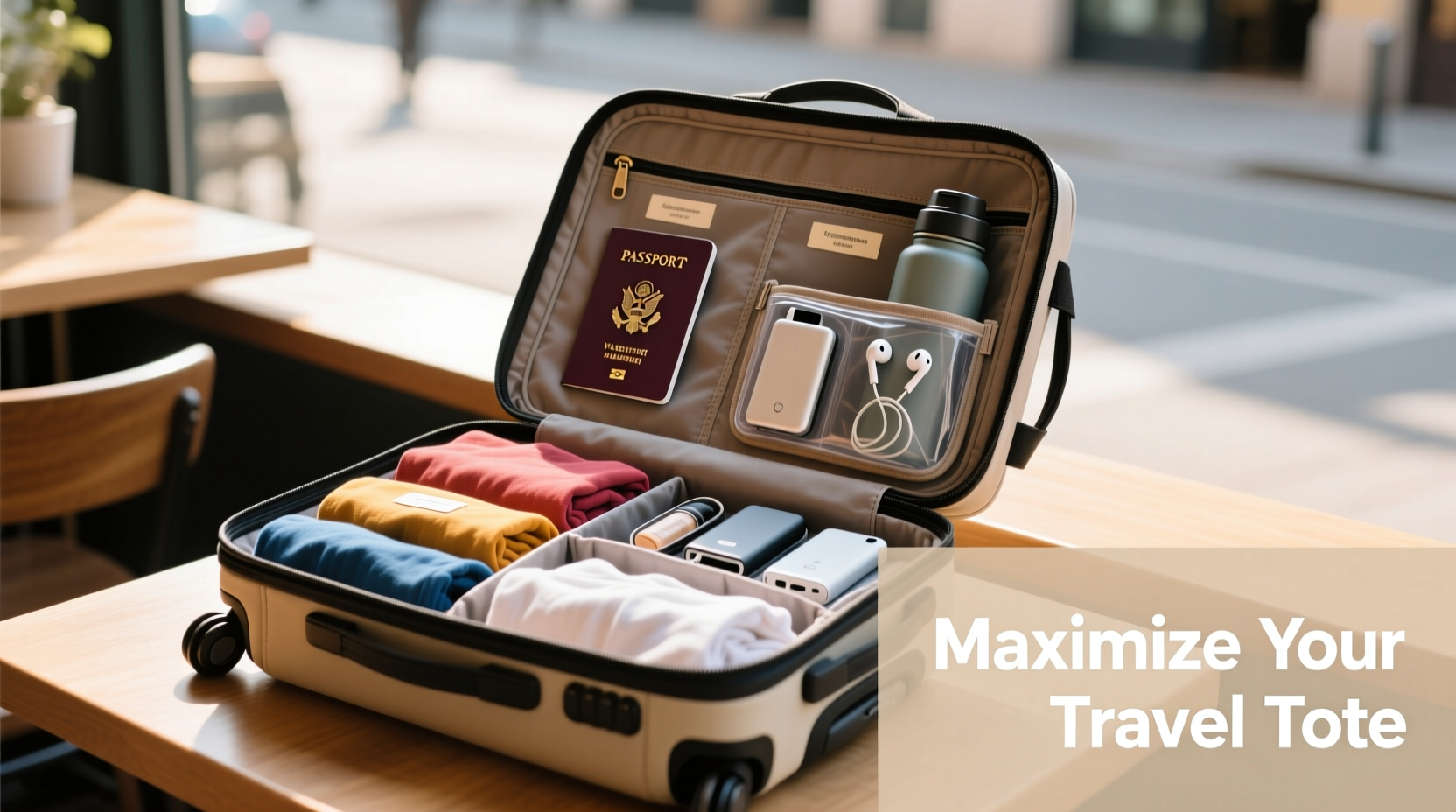
Before diving into packing techniques, ensure your tote supports your lifestyle. Not all totes are created equal—some prioritize style over function, while others offer thoughtful design features that enhance usability. Look for structural elements like reinforced handles, multiple interior pockets, a wide opening, and durable, water-resistant fabric.
A tote with at least one zippered main compartment prevents items from spilling during transit. Additional slip pockets on the exterior allow quick access to essentials like boarding passes, keys, or a phone. Consider size: large enough to hold daily necessities, yet compact enough to carry comfortably.
Master the Art of Layered Packing
Efficient packing starts with strategy, not speed. Instead of tossing items in randomly, use a layered approach to create zones within your tote. This method keeps heavier items stable, protects fragile contents, and ensures frequently used items remain accessible.
- Base Layer – Heaviest & Least Used Items: Place books, laptops, or toiletry kits at the bottom. Their weight stabilizes the bag and avoids top-heaviness.
- Middle Layer – Soft Buffer Zone: Add clothing, scarves, or a folded sweater. These cushion rigid items and fill space efficiently.
- Top Layer – Daily Essentials: Keep wallets, sunglasses, hand sanitizer, and notebooks near the top for easy retrieval.
- Pocket Zones – High-Frequency Access: Reserve inner and outer pockets for items you need instantly: ID, transit card, lip balm, or earbuds.
This system minimizes digging and keeps your bag balanced. It also makes security checks smoother—you won’t need to dump everything out just to find your passport.
Smart Organization: Use Packing Cubes and Pouches
Even without a suitcase, packing cubes and small pouches transform tote efficiency. They act as mini-drawers inside your bag, grouping similar items and preventing chaos.
| Pouch Type | Best For | Size Recommendation |
|---|---|---|
| Clear Zip Pouch | Toiletries, cords, medications | 6” x 4” |
| Fabric Cosmetic Bag | Lipsticks, brushes, hair ties | 7” x 5” |
| Electronics Pouch | Chargers, cables, power bank | With Velcro or zipper |
| Document Sleeve | Passport, tickets, notepad | Rigid or padded |
Color-coding pouches by category speeds up retrieval. For example, blue for electronics, red for personal care. Label them discreetly with small tags if needed.
“Organization isn’t about perfection—it’s about reducing friction. When you know exactly where your pen is, you reclaim mental energy.” — Lena Torres, Productivity Consultant
Step-by-Step: Pre-Packing Routine (10 Minutes)
Develop a pre-travel ritual to avoid last-minute scrambles. Follow this sequence every time you prepare your tote:
- Empty & Assess (2 min): Remove all contents. Wipe down the interior with a dry cloth. Check for crumbs, receipts, or forgotten items.
- Sort by Category (3 min): Group items: tech, documents, personal care, snacks, accessories. Discard unnecessary duplicates.
- Load by Layers (3 min): Apply the layered packing method—bottom to top, pocket by pocket.
- Final Check (2 min): Verify essentials: phone, wallet, keys, mask, reusable bottle. Close zippers and adjust straps.
This routine builds consistency. Over time, it becomes automatic, cutting prep time and reducing stress.
Real Example: Sarah’s Commute Upgrade
Sarah, a freelance designer, used to arrive at client meetings flustered, digging through her overstuffed canvas tote. She’d often forget her stylus or leave her notebook buried under layers of clothes. After adopting the layered system and adding two small pouches—one for tech, one for documents—her mornings transformed.
She now packs the night before using her checklist. Her laptop goes in first, followed by a folded sweater. On top, she places her sketchpad and a clear pouch holding her tablet, charger, and pens. Her passport holder holds business cards and ID. The result? She walks into meetings composed, pulls out her tools smoothly, and feels more professional.
“I didn’t change my bag,” she says. “I changed how I use it. That made all the difference.”
Do’s and Don’ts of Tote Management
| Do | Don’t |
|---|---|
| Use designated pouches for small items | Let loose change or receipts accumulate |
| Wipe down surfaces weekly | Store damp items like umbrellas without protection |
| Rotate seasonal items monthly | Overstuff the bag beyond its natural capacity |
| Adjust strap length for posture | Carry heavy loads on one shoulder for long periods |
| Re-evaluate contents every Sunday | Keep expired samples or broken chargers “just in case” |
FAQ: Common Tote Challenges
How do I prevent my tote from becoming too heavy?
Limit your core load to under 10% of your body weight. Regularly audit contents: remove redundant items like old notebooks, extra pens, or unused cosmetics. Carry only what you’ll use that day or week.
What’s the best way to clean a fabric tote?
Check the care label first. Most cotton or polyester blends can be spot-cleaned with mild soap and a damp cloth. For deeper cleaning, hand wash in cold water and air dry flat. Never machine dry—heat can warp shape and weaken fibers.
Can I use the same tote for work and travel?
Yes, if it’s versatile. Choose neutral colors and functional features. Swap internal organizers based on purpose: a padded laptop sleeve for work, a toiletry roll for trips. Just remember to reset it after each use to maintain order.
Essential Checklist: Pack Smarter Today
- ✅ Empty and wipe down tote
- ✅ Sort items into categories
- ✅ Use labeled pouches for tech, documents, and personal care
- ✅ Load in layers: heavy at bottom, essentials on top
- ✅ Assign quick-access items to outer pockets
- ✅ Confirm critical items: phone, wallet, keys, mask
- ✅ Adjust strap for comfort and balance
- ✅ Set a weekly refresh reminder
Conclusion: Make Your Tote Work for You
Your travel tote doesn’t have to be a black hole of forgotten receipts and tangled cords. With intentional packing, consistent habits, and smart organization, it becomes an extension of your routine—an efficient, reliable companion that simplifies your day. The goal isn’t minimalism for its own sake, but clarity: knowing where everything is, so you can focus on where you’re going.




 浙公网安备
33010002000092号
浙公网安备
33010002000092号 浙B2-20120091-4
Comments
No comments yet. Why don't you start the discussion?