
Generosity is often reduced to writing a check or donating clothes before a move. But true generosity goes beyond transactional giving—it’s about intention, consistency, and measurable impact. In a world where over 700 million people live in extreme poverty and countless communities face systemic challenges, the way we give matters as much as what we give. This guide explores how to transform everyday acts of kindness into sustained, meaningful contributions that create real change.
The Shift from Impulse to Intentional Giving
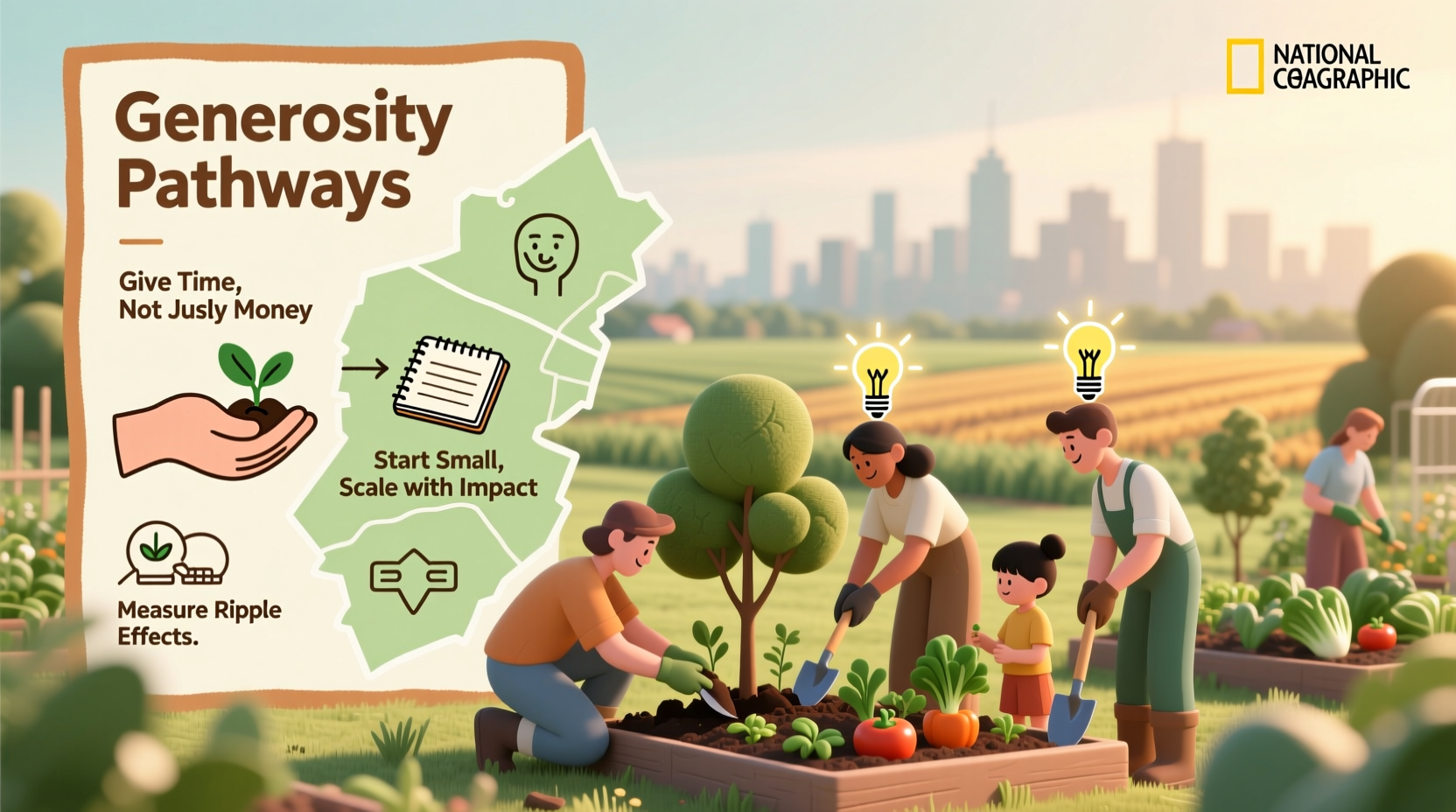
Many people donate when prompted—a natural disaster, a friend's fundraiser, or end-of-year tax planning. While these responses are valuable, they often lack long-term strategy. Intentional giving starts with reflection: What causes matter most to you? Where can your contribution make the greatest difference? Research shows that donors who align their giving with personal values report higher satisfaction and are more likely to sustain their efforts over time.
Consider the story of Maria, a software engineer in Austin. For years, she donated randomly to various nonprofits during holidays. After attending a community workshop on education equity, she began researching organizations focused on STEM access for underrepresented girls. She shifted from scattered donations to funding a single after-school coding program for three years. Her consistent support allowed the organization to hire a full-time instructor and expand its reach by 40%.
“Generosity isn’t measured by the size of the gift, but by the thought behind it and the change it creates.” — Dr. Lena Patel, Director of the Center for Civic Engagement at Northwestern University
Designing Your Personal Generosity Framework
To give meaningfully, start by building a personal framework. This doesn’t require vast wealth—just clarity and commitment. Ask yourself:
- What social issues keep me awake at night?
- Do I prefer supporting local initiatives or global movements?
- Am I more drawn to immediate relief (e.g., food banks) or long-term solutions (e.g., policy advocacy)?
- Can I contribute time, skills, money, or influence?
Once you’ve answered these questions, define your giving goals. For example: “I will dedicate 5% of my income and 4 hours per month to environmental justice efforts over the next two years.” Specificity increases accountability and impact.
A Step-by-Step Guide to High-Impact Giving
Follow this six-step process to ensure your generosity leads to tangible outcomes:
- Identify Your Cause: Choose one or two focus areas—education, mental health, climate action, etc.—based on passion and perceived need.
- Research Organizations: Use platforms like Charity Navigator, GuideStar, or GiveWell to evaluate financial health, transparency, and effectiveness.
- Engage Beyond Donating: Offer pro bono services, join advisory boards, or use your network to amplify visibility.
- Set a Budget: Determine how much you can give annually without strain. Even 1–3% of income adds up significantly over time.
- Track Impact: Request annual reports, attend donor meetings, or schedule site visits to see results firsthand.
- Adjust and Scale: Reassess yearly. If an organization delivers strong outcomes, consider increasing support or encouraging others to join.
Maximizing Impact: Do’s and Don’ts
| Do | Don't |
|---|---|
| Give unrestricted funds when possible—nonprofits need flexibility to address urgent needs. | Dictate how every dollar is spent; micromanaging limits organizational agility. |
| Support overhead costs—healthy administration is essential for sustainability. | Avoid organizations with \"low overhead\" just because it sounds efficient; underfunded operations fail. |
| Donate appreciated assets like stocks to reduce capital gains taxes. | Assume cash is always the best form of giving—sometimes in-kind or skilled help is more valuable. |
| Encourage workplace matching programs to double your contribution. | Give impulsively without vetting legitimacy—scams exploit goodwill. |
Real Example: The Ripple Effect of Sustained Support
In 2019, James, a retired teacher in Portland, decided to redirect his annual vacation budget toward literacy programs. He selected a small nonprofit teaching adult reading skills, committing $1,200 per year plus weekly volunteer tutoring. Over four years, he built relationships with learners, some of whom went on to earn GEDs and secure stable jobs. More importantly, his consistent presence inspired three other retirees to join the program. The organization used donor testimonials—including James’s—to win a $50,000 foundation grant. His initial act of generosity catalyzed institutional growth and broader community engagement.
Checklist: Building a Sustainable Generosity Practice
Use this checklist to establish and maintain a thoughtful giving rhythm:
- ☐ Define your core values and select 1–2 focus causes
- ☐ Research and shortlist 3 credible organizations per cause
- ☐ Evaluate each using metrics like program efficiency and leadership stability
- ☐ Decide on contribution type: financial, time, skills, or advocacy
- ☐ Set a realistic annual giving goal and schedule recurring donations
- ☐ Sign up for newsletters or impact reports from supported groups
- ☐ Review progress every 6–12 months and adjust as needed
- ☐ Share your journey (without self-promotion) to inspire others
Frequently Asked Questions
How little can I give and still make a difference?
Even small amounts matter. $10 a month to a microfinance initiative can help fund a woman’s small business loan over time. The key is consistency and alignment with effective organizations. Collective small gifts often provide the stable base nonprofits rely on between large grants.
Is volunteering better than donating money?
It depends on context. Skilled volunteering—like legal advice, graphic design, or accounting—can save nonprofits thousands. Unskilled labor may require training and supervision, reducing efficiency. Financial donations allow organizations to allocate resources where they’re most needed. Ideally, combine both: give what you can, whether time or money, and do it strategically.
What if I don’t trust charities with my money?
Transparency concerns are valid. To mitigate risk, use third-party evaluators like CharityWatch or Candid. Look for organizations that publish audited financial statements and clear outcome metrics. Consider starting with a trial period—commit to one year of support, then reevaluate based on performance and communication.
Cultivating a Legacy of Meaningful Generosity
True generosity isn’t a one-off gesture; it’s a mindset. It means seeing opportunity in surplus—not just financial, but in time, knowledge, and influence—and choosing to redistribute it with purpose. Whether you mentor a young person, advocate for policy change, or fund clean water projects abroad, your actions contribute to a larger ecosystem of care.
The most impactful givers aren’t always the wealthiest. They’re the ones who show up consistently, ask thoughtful questions, and stay engaged beyond the donation receipt. They understand that generosity isn’t about saving others—it’s about standing alongside them.




 浙公网安备
33010002000092号
浙公网安备
33010002000092号 浙B2-20120091-4
Comments
No comments yet. Why don't you start the discussion?