
In an era where stress levels are rising and digital distractions dominate daily life, meditation has become a vital tool for mental clarity, emotional balance, and improved sleep. Two of the most prominent players in the mindfulness space—Headspace and Calm—are household names among wellness enthusiasts. Both offer guided meditations, sleep stories, breathing exercises, and music designed to support mental health. But when it comes to subscription value, which app delivers more for your money? This comprehensive analysis compares Headspace and Calm across pricing, content depth, user experience, features, and real-world utility to help you make an informed decision.
Pricing Models and Subscription Options
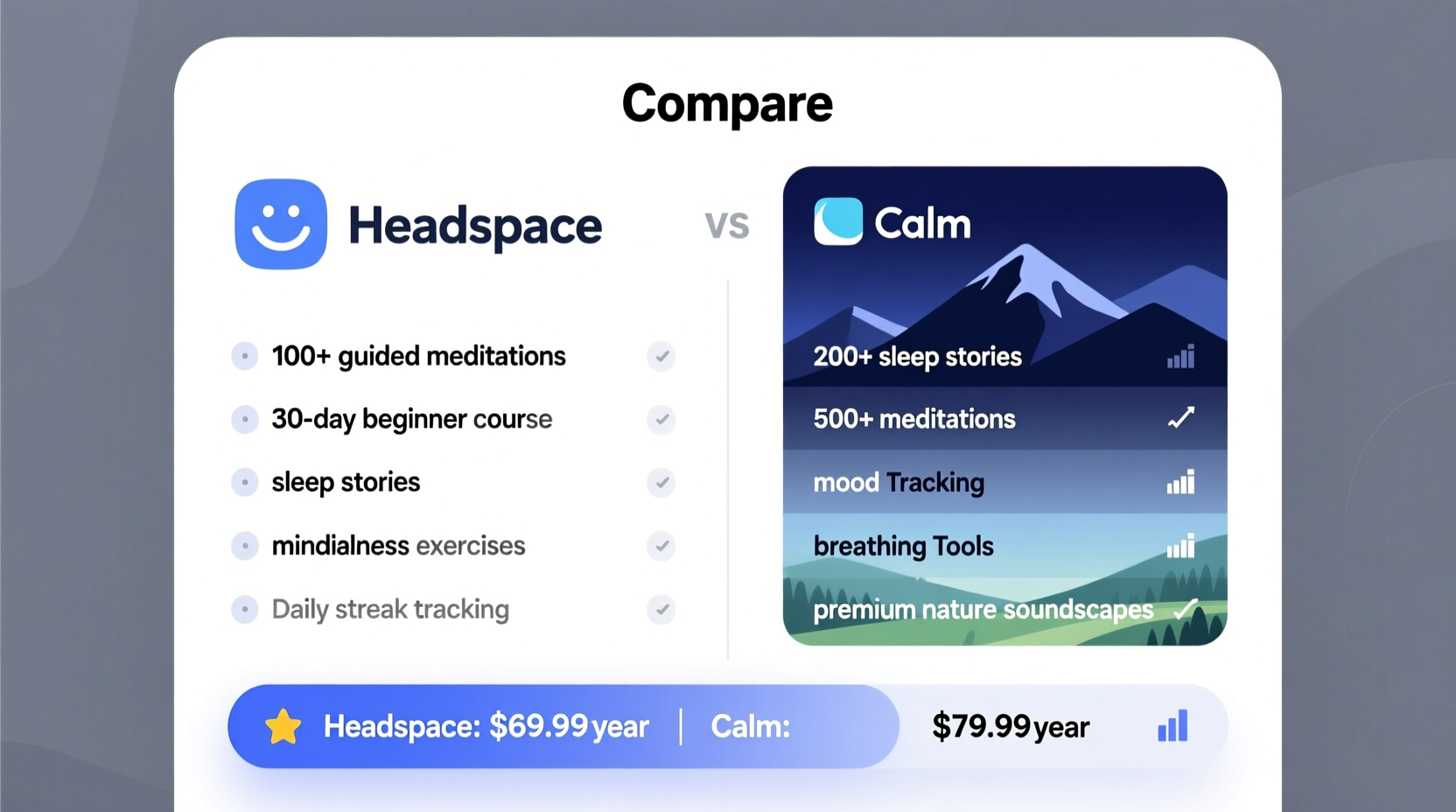
The cost of a meditation app is often the first consideration for users. While both Headspace and Calm operate on a freemium model—with limited free content and full access behind a paywall—their pricing structures differ slightly in flexibility and long-term value.
| Feature | Headspace | Calm |
|---|---|---|
| Monthly Subscription | $12.99/month | $14.99/month |
| Annual Subscription | $69.99/year (~$5.83/month) | $69.99/year (~$5.83/month) |
| Two-Year Plan | Not available | $119.99 (effectively $5.00/month) |
| Family Plan | No | Yes (up to 6 members at $99.99/year) |
| Student Discount | Yes (via Student Beans or ID verification) | Yes (50% off annual plan with .edu email) |
| Free Trial | 7 days (some partnerships offer up to 1 month) | 7 days (frequent promotions extend to 40+ days) |
At first glance, the annual plans are identical in price, but Calm offers additional savings through its two-year option and family sharing. For households or couples looking to share access, Calm’s family plan presents a clear financial advantage. Headspace counters with strong institutional partnerships—offering free or discounted access through employers, schools, and health providers—which can significantly increase its effective value for certain users.
Content Depth and Program Variety
Price alone doesn’t determine value. The quality, diversity, and structure of content play a crucial role in long-term engagement and effectiveness.
Headspace excels in structured learning. Its hallmark is a progressive curriculum that guides beginners from foundational concepts like “What Is Meditation?” to advanced topics such as compassion, focus, and managing anxiety. Courses are typically 10–30 days long, making them ideal for users who prefer a step-by-step approach. The app also includes specialized packs for productivity, parenting, and even kids’ mindfulness, all narrated by co-founder Andy Puddicombe, whose calming British voice has become synonymous with the brand.
Calm, on the other hand, emphasizes variety and sensory experience. It features over 100 original Sleep Stories—narrated by celebrities like Matthew McConaughey, Harry Styles, and Idris Elba—that blend storytelling with gentle soundscapes to ease listeners into rest. Beyond meditation, Calm offers “Daily Calm” sessions (a new 10-minute practice each day), masterclasses from psychologists and neuroscientists, and music tracks optimized for focus or relaxation. Its content library is broader and more eclectic, appealing to users seeking inspiration beyond traditional mindfulness.
“Calm’s strength lies in its emotional resonance—its Sleep Stories aren’t just functional; they’re artful experiences that people look forward to.” — Dr. Elena Torres, Clinical Psychologist and Mindfulness Researcher
For users focused on building a consistent meditation habit, Headspace’s scaffolding approach may be more effective. Calm, however, shines for those using meditation as a complement to lifestyle wellness—especially for sleep enhancement and mood regulation.
User Experience and Interface Design
A seamless interface can make or break an app intended for relaxation. Both apps prioritize clean design, but their philosophies differ.
Headspace uses bright colors, playful animations, and illustrated characters to create a friendly, approachable atmosphere. Navigation is intuitive, with clearly labeled sections for meditation, sleep, movement, and focus. New users are gently onboarded with introductory videos and progress tracking. However, some long-term users find the aesthetic overly whimsical, especially during serious meditation sessions.
Calm opts for a minimalist, nature-inspired interface. Soft gradients, ambient background sounds, and serene landscape photography create a tranquil visual environment. The home screen defaults to a rotating selection of featured content, encouraging discovery. While elegant, this layout can feel less structured—users who prefer curated paths might find themselves overwhelmed by choice.
Unique Features and Functional Tools
Both apps have expanded beyond basic meditation to include tools that enhance mental well-being in practical ways.
- Headspace offers “SOS” sessions for acute stress, mindful workouts (yoga and cardio with audio guidance), and Focus Music powered by Brain.fm—algorithmically generated soundscapes proven to improve concentration. It also integrates with Apple Health and Google Fit to track meditation minutes.
- Calm stands out with its Sleep Stories, Breathe bubble (a visual breathing pacer), Mood Check-In feature, and extensive music library categorized by purpose (e.g., Deep Sleep, Study Flow). Its “Calm Body” section includes stretching and somatic practices, while “Mindful Walking” guides bring mindfulness into motion.
One notable difference: Calm includes a dedicated panic moment tool—a one-minute breathing exercise with a descending ball to guide inhalation and exhalation—ideal for immediate anxiety relief. Headspace’s SOS meditations are longer (3–5 minutes) and more narrative-based, offering deeper reflection but less immediacy.
Real-World Example: Managing Work Stress
Consider Sarah, a project manager working remotely with back-to-back meetings and frequent deadlines. She tried both apps over six months. Initially, she used Headspace’s “Managing Anxiety” course, which helped her recognize thought patterns and build a morning meditation habit. After three months, she switched to Calm, drawn by its Daily Calm sessions and focus music playlists. She found that listening to a Sleep Story narrated by Stephen Fry helped her unwind after high-pressure days. Ultimately, she settled on Calm—not because it was “better,” but because its diverse tools aligned more closely with her fluctuating needs.
This case illustrates a key insight: value is not absolute. It depends on how well an app integrates into your lifestyle and supports your evolving goals.
Step-by-Step: Choosing the Right App for You
Follow this process to determine which app offers greater value based on your personal needs:
- Define Your Primary Goal: Are you seeking stress reduction, better sleep, increased focus, or emotional resilience? If sleep is your top priority, Calm’s Sleep Stories and nighttime features may outweigh other factors.
- Assess Your Learning Style: Do you prefer structured courses or free exploration? Headspace rewards consistency; Calm encourages variety.
- Test the Free Trials: Use the 7-day trial for both apps. Try a meditation, a sleep aid, and a focus session. Note which interface feels more intuitive and calming.
- Check Institutional Access: Verify if your employer, insurance provider, or school offers free access. Headspace has broader corporate partnerships (e.g., with Amazon, Starbucks, and UnitedHealthcare).
- Evaluate Long-Term Cost: If you plan to use the app for years or share it with family, Calm’s two-year plan and family option offer superior savings.
Expert Insight on Digital Mindfulness Tools
“The best meditation app is the one you actually use. Features matter, but consistency matters more. Whether it’s Headspace’s structure or Calm’s serenity, the real value emerges over time through regular practice.” — Dr. Rajiv Mehta, Director of Integrative Mental Health at Columbia University
This perspective underscores a critical point: no app can replace discipline. The most expensive subscription won’t help if it sits unused. Simplicity, accessibility, and personal relevance are what sustain engagement.
Frequently Asked Questions
Can I cancel my subscription anytime?
Yes, both Headspace and Calm allow you to cancel auto-renewal at any time through your device’s app store settings. You’ll retain access until the end of your paid period.
Do these apps work offline?
Yes. Both apps let you download meditations, sleep stories, and music for offline use—a major plus for travelers or those limiting data usage.
Is there a significant difference in meditation quality?
The core techniques taught—mindfulness, breath awareness, body scans—are evidence-based and similar across both platforms. The difference lies in presentation: Headspace is educational and systematic; Calm is immersive and poetic. Neither is objectively superior; preference depends on individual taste.
Final Checklist Before Subscribing
- ✅ Completed the free trial for both apps
- ✅ Identified your primary wellness goal (sleep, focus, anxiety, etc.)
- ✅ Checked for employer or student discounts
- ✅ Considered whether family sharing would add value
- ✅ Tested offline functionality and download options
- ✅ Compared renewal dates and cancellation policies
Conclusion: Maximizing Your Mindfulness Investment
When comparing Headspace and Calm, the answer to “which is better?” ultimately depends on your priorities. Headspace delivers exceptional value for beginners and those who thrive on structure, education, and habit formation. Calm offers richer sensory experiences, superior sleep tools, and better long-term pricing for families and committed users.
The true measure of value isn’t just cost per feature—it’s impact per minute. An app that keeps you engaged daily, helps you sleep better, or reduces reactivity in stressful moments is worth far more than its price tag suggests. Take the time to explore both, align your choice with your lifestyle, and commit to consistency. Because the greatest return on any meditation subscription isn’t measured in dollars, but in peace of mind.




 浙公网安备
33010002000092号
浙公网安备
33010002000092号 浙B2-20120091-4
Comments
No comments yet. Why don't you start the discussion?