
Meditation is often described as simple: sit down, close your eyes, and focus. But when you first try it, the reality can feel anything but peaceful. Your body fidgets, your legs go numb, and your mind races through a never-ending list of thoughts—what to eat, what to say in that email, why you said that thing five years ago. For many beginners, the gap between expectation and experience creates frustration, making them question whether meditation is even possible for them.
The truth is, this struggle isn’t failure—it’s part of the process. The ability to sit still and observe your thoughts without reacting is a skill, not an instinct. And like any skill, it improves with practice, patience, and the right approach. This guide breaks down exactly how to start meditating as a beginner, manage mental chatter, and build a sustainable habit—even if your mind feels like a browser with 47 tabs open.
Why Sitting Still Feels So Hard at First
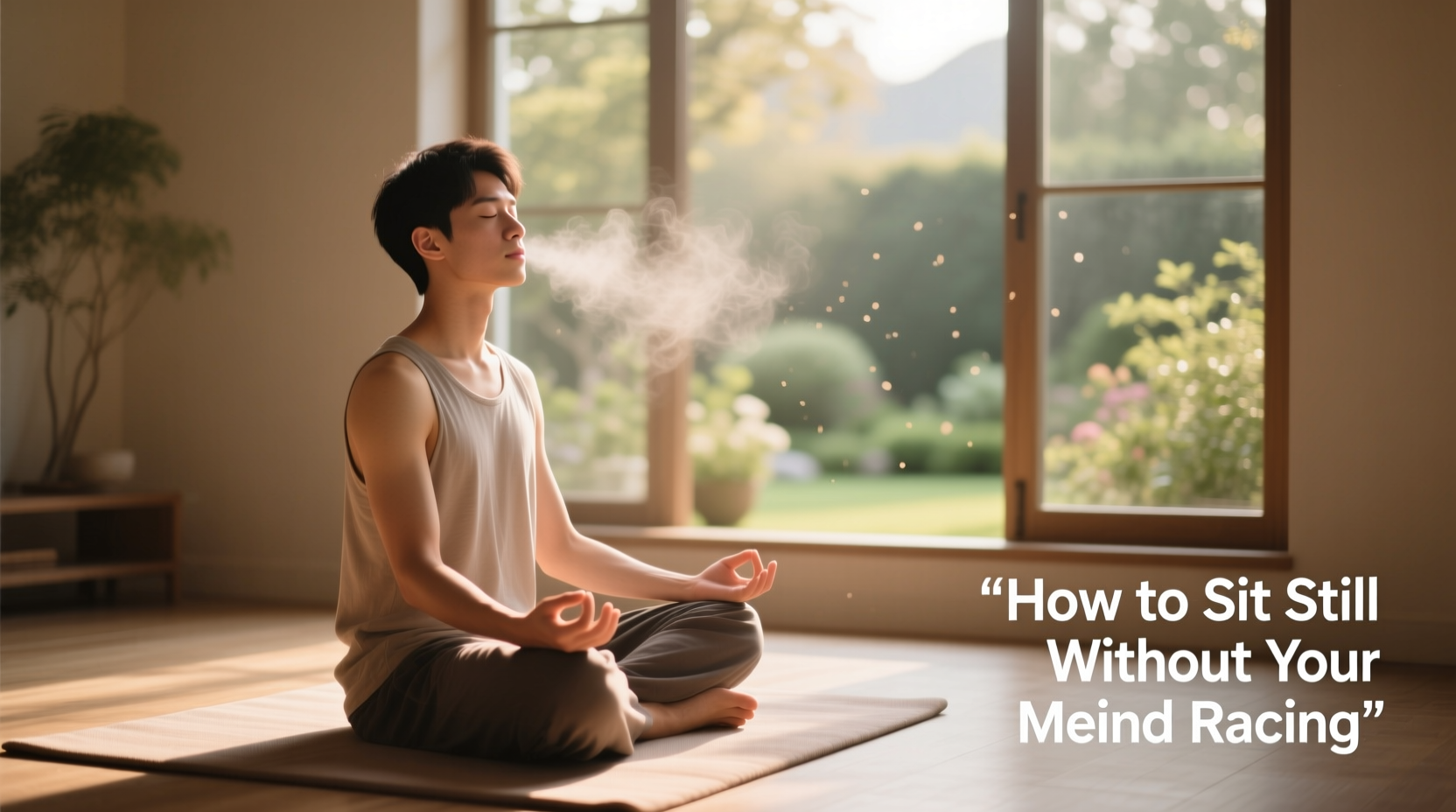
Modern life conditions us to be constantly active. We’re wired to respond—to notifications, deadlines, conversations, and internal worries. Our nervous systems are primed for action, not stillness. When you sit down to meditate, you’re asking your body and brain to do something they’ve been trained to avoid: pause.
This pause triggers resistance. Physically, you may feel restless, tense, or uncomfortable. Mentally, thoughts flood in—not because you’re doing it wrong, but because you’ve finally created space to notice them. As mindfulness teacher Sharon Salzberg explains:
“Meditation isn’t about stopping thoughts, but recognizing that we are not our thoughts.” — Sharon Salzberg, author of *Real Happiness*
Understanding this distinction is crucial. You don’t need to eliminate thoughts to meditate successfully. You just need to change your relationship with them.
Step-by-Step Guide to Your First 5-Minute Meditation
Starting small builds confidence and consistency. Here’s a realistic, beginner-friendly sequence to help you sit—and stay—with presence.
- Choose a consistent time and place: Pick a quiet corner where you won’t be interrupted. Early morning or after work are ideal times. Use the same spot daily to build a mental association with practice.
- Sit comfortably: You don’t need to sit cross-legged on the floor. A chair works perfectly. Sit upright but relaxed, feet flat on the floor, hands resting on your lap. Keep your spine straight but not rigid.
- Set a timer for 5 minutes: Use a gentle bell sound (apps like Insight Timer or Calm offer these). Knowing you have a clear endpoint reduces anxiety about “how long” it will last.
- Close your eyes or soften your gaze: Reduce visual distractions. If closing your eyes feels intense, lower your gaze to a spot on the floor about three feet ahead.
- Focus on your breath: Bring attention to the physical sensation of breathing—the rise and fall of your chest, the air passing through your nostrils. Don’t force or control it; just observe.
- Notice when your mind wanders: It will—within seconds, likely. When you realize you’re thinking about dinner or replaying a conversation, gently return to the breath. No judgment. Just redirect.
- When the bell rings, pause before moving: Take one deep breath, notice how your body and mind feel, then open your eyes slowly.
Repeat this daily for one week. After seven days, increase the time by one minute. Small increments prevent burnout and build endurance naturally.
Common Challenges and How to Work With Them
Every beginner faces obstacles. Recognizing them as normal removes shame and keeps you practicing.
- Physical discomfort: Numb legs, back pain, or restlessness are common. Adjust your posture slightly, use cushions under knees or behind your back, or try lying down (though this increases sleep risk).
- Mental overactivity: Thoughts aren’t enemies. Imagine them like clouds passing across the sky—visible, but not permanent. Each time you return to the breath, you strengthen awareness.
- Impatience: You might expect immediate calm. But meditation is training, not instant relaxation. Progress shows up subtly: less reactivity, better focus, more self-awareness over weeks and months.
- Falling asleep: Especially if meditating at night, drowsiness happens. Try sitting upright, opening your eyes slightly, or shifting practice to earlier in the day.
Do’s and Don’ts for Beginners
| Do | Don't |
|---|---|
| Start with 5–10 minutes daily | Try to meditate for 30 minutes on day one |
| Be kind to yourself when distracted | Scold yourself for losing focus |
| Use guided meditations initially | Assume silence is required from the start |
| Track your streak (e.g., with a calendar) | Break practice because you missed one day |
| Adjust posture as needed | Push through pain to “be still” |
Real Example: Sarah’s First Month of Practice
Sarah, a 34-year-old graphic designer, started meditation to manage stress. She expected peace but found only frustration. “I sat down, closed my eyes, and immediately thought about my unfinished project, then my grocery list, then an awkward moment from lunch,” she recalls. “I felt like I was failing.”
She stuck with a 5-minute guided session each morning using an app. By day six, she noticed she could catch herself mid-worry and return to her breath—something she’d never done before. At two weeks, she realized she wasn’t sleeping through her alarm anymore; she was waking up calmer. By week four, she extended to 10 minutes and began to enjoy the quiet.
“It’s not that my mind is quieter now,” she says. “It’s that I don’t get swept away by it as fast. I can pause before reacting. That’s huge.”
How to Build a Sustainable Habit
Consistency matters more than duration. A daily 5-minute practice reshapes your brain over time more effectively than sporadic hour-long sessions. Neuroscience supports this: regular meditation strengthens the prefrontal cortex (responsible for focus and emotional regulation) and shrinks the amygdala (the fear center).
To make meditation stick:
- Anchor it to an existing habit: Meditate right after brushing your teeth or before your morning coffee.
- Use reminders: Set a phone alert or leave your cushion visible as a cue.
- Track progress non-judgmentally: Use a habit tracker, but don’t let missed days derail you. One missed session doesn’t break the chain—giving up does.
- Vary techniques: After a few weeks, experiment with body scans, loving-kindness, or walking meditation to keep engagement high.
FAQ: Common Questions from Beginners
Is it normal to feel more anxious when starting meditation?
Yes. Sitting quietly can surface buried emotions or heightened awareness of stress. This isn’t harmful—it’s part of processing. Acknowledge the feeling, breathe into it, and continue. Over time, this increased sensitivity leads to greater emotional resilience.
Do I have to clear my mind completely?
No. A blank mind is a myth. The goal is not to stop thoughts, but to stop identifying with them. Think of yourself as the observer, not the thinker. Each time you notice distraction and return to focus, you’re succeeding.
What if I fall asleep every time I meditate?
If this happens regularly, try meditating at a different time of day, sitting upright in a chair, or opening your eyes slightly. You can also splash cold water on your face beforehand or practice near a window with natural light.
Final Checklist: Your First Week Plan
Follow this checklist to establish a strong foundation:
- ☐ Choose a fixed time and quiet space
- ☐ Set up a comfortable seat (chair, cushion, etc.)
- ☐ Download a meditation app or find a 5-minute guided audio
- ☐ Commit to 5 minutes every day for 7 days
- ☐ Use a calendar to mark each completed session
- ☐ After day 7, reflect: How do you feel? Slightly calmer? More aware?
- ☐ Increase to 6 minutes on day 8, then add one minute per week
Conclusion: Start Where You Are
You don’t need a silent mind to meditate—you need the willingness to show up. The act of returning to your breath, again and again, is the practice. It trains attention, cultivates self-awareness, and creates space between stimulus and response. Over time, that space becomes freedom.
Forget perfection. Forget emptying your mind. Just sit. Breathe. Notice. Return. Do it once, and you’ve begun. Do it consistently, and you’ll transform your relationship with your thoughts, your emotions, and yourself.




 浙公网安备
33010002000092号
浙公网安备
33010002000092号 浙B2-20120091-4
Comments
No comments yet. Why don't you start the discussion?