
In an age where smartphones track our steps and smart rings monitor our sleep, the wrist remains a battleground of tradition versus technology. The Megir 2121, a minimalist mechanical timepiece known for its clean design and affordability, represents the enduring appeal of classic watches. On the other side, smartwatches offer real-time health tracking, notifications, and app integration. As we move deeper into 2024, the question isn’t just about functionality—it’s about identity, utility, and long-term value. Is it time to retire your analog companion for something smarter?
The Allure of the Megir 2121: Simplicity with Substance
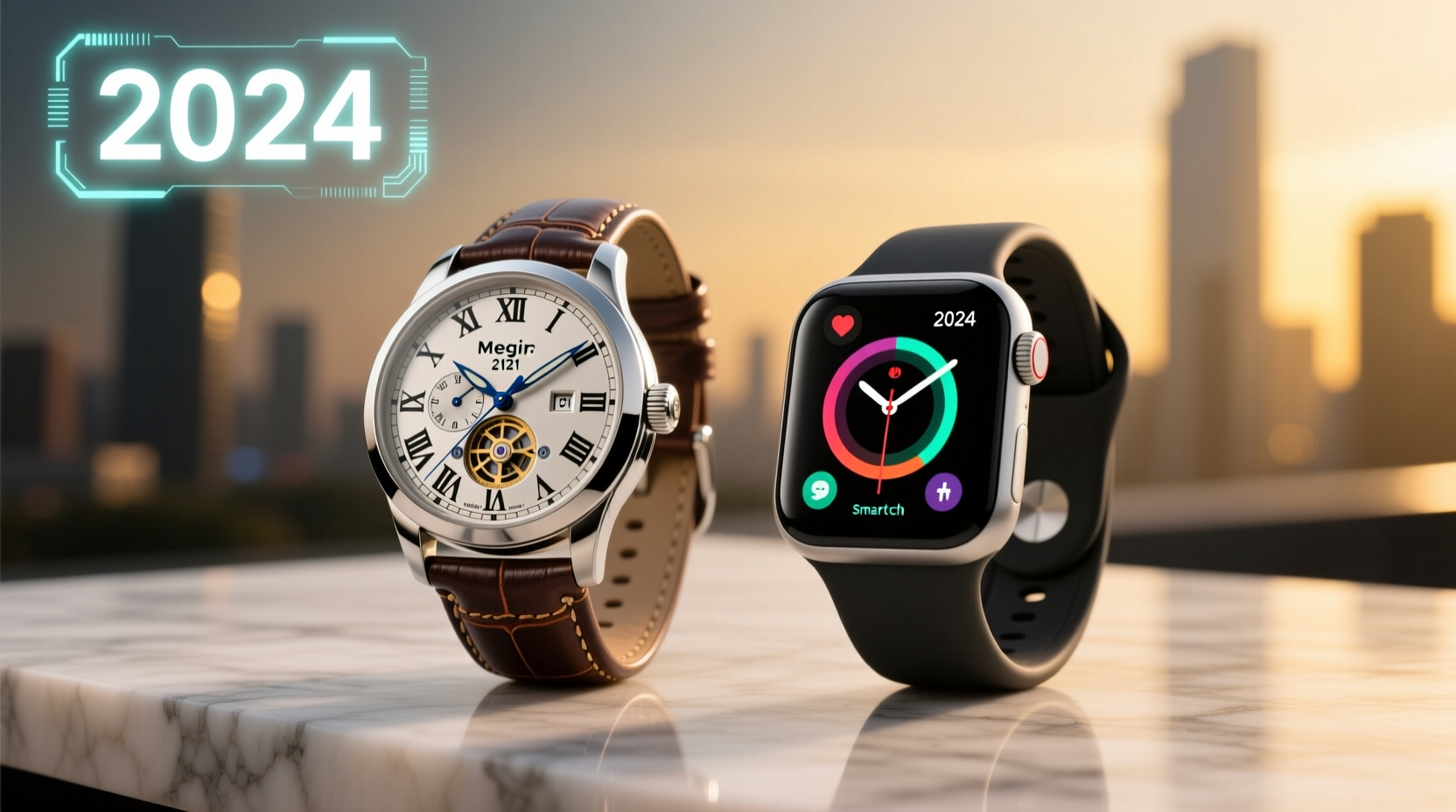
The Megir 2121 has gained a cult following among fans of minimalist design. With its slim profile, Japanese quartz movement, and stainless steel casing, it delivers a refined look at a fraction of luxury watch prices. It doesn’t tell you how many calories you’ve burned or play your Spotify playlist—but that’s the point. It tells time, looks good doing it, and requires no charging.
For many, the Megir 2121 symbolizes intentional living. It’s a deliberate choice to reduce digital noise and embrace understated elegance. Wearing a classic watch like this can subtly influence behavior—encouraging punctuality, mindfulness, and presence. Unlike smart devices that demand attention, the Megir 2121 respects your focus.
Smartwatches in 2024: More Than Just Timekeepers
Modern smartwatches have evolved far beyond telling time. Devices from Apple, Samsung, Garmin, and Fitbit now offer ECG monitoring, blood oxygen sensing, sleep analysis, GPS tracking, and even fall detection. In 2024, they’re not just gadgets—they’re health companions, productivity tools, and communication hubs.
Consider this: A smartwatch can alert you to irregular heart rhythms, remind you to stand after prolonged sitting, and guide your workouts with precision. For professionals, receiving calendar alerts or messages without pulling out a phone adds subtle efficiency. Parents might appreciate being able to locate their child’s watch via GPS. These features create tangible benefits that extend well beyond convenience.
Yet, these advantages come at a cost—literally and figuratively. High-end smartwatches often exceed $300, require daily charging, and become obsolete every few years due to software updates or hardware wear. Their screens scratch easily, bands degrade, and battery life diminishes over time.
Megir 2121 vs Smartwatch: Feature-by-Feature Comparison
| Feature | Megir 2121 | Typical Smartwatch (2024) |
|---|---|---|
| Price | $30–$50 | $200–$700+ |
| Battery Life | 2–3 years (replaceable battery) | 1–3 days (daily charging needed) |
| Health Tracking | None | Heart rate, sleep, SpO2, ECG, stress |
| Notifications | No | Yes (calls, texts, apps) |
| Durability | Scratch-resistant mineral glass, metal case | Glass screen prone to cracks, plastic/metal body |
| Lifespan | 5–10+ years with basic care | 2–4 years before obsolescence |
| Fashion & Style | Timeless, dress-friendly | Casual/athletic; limited formal use |
| Customization | Interchangeable straps | Faces, bands, apps |
When a Smartwatch Makes Sense—and When It Doesn’t
The decision to switch depends less on technology and more on lifestyle. Ask yourself: What do I need from a device on my wrist?
If you're training for a marathon, managing a chronic condition like hypertension, or working in a fast-paced environment where quick access to information matters, a smartwatch delivers measurable value. It integrates seamlessly into a connected life.
But if you prioritize simplicity, own multiple formal outfits, or dislike the idea of another device needing nightly charging, the Megir 2121 may be the better long-term companion. It won’t buzz with notifications during dinner or die halfway through a meeting. It simply works—quietly and reliably.
“Technology should enhance life, not dominate it. Sometimes, the most advanced feature is silence.” — Dr. Lena Patel, Digital Wellness Researcher
Real-Life Example: Two Users, Two Choices
Alex, 34, Software Developer: Alex wears a Samsung Galaxy Watch 6. He tracks his sleep patterns to optimize coding focus, receives Slack alerts during stand-ups, and uses guided breathing exercises when stressed. For him, the smartwatch is a productivity amplifier. “It’s like having a co-pilot on my wrist,” he says.
Jamila, 29, Graphic Designer: Jamila owns a Megir 2121. She pairs it with tailored blazers and minimalist jewelry. Her phone stays in her bag unless she needs it. “I don’t want constant pings. My watch keeps time—and my style intact,” she explains. She checks her fitness stats once a week via her phone, but sees no need to wear a screen all day.
Neither is wrong. Both made choices aligned with their values and routines.
Step-by-Step Guide: How to Decide What’s Right for You
- Assess Your Daily Needs: Do you rely on health metrics? Need calendar alerts? Or do you just want to know the time?
- Evaluate Charging Habits: Are you disciplined about charging devices? If you forget to charge headphones, a smartwatch may frustrate you.
- Consider Your Wardrobe: Will the device look appropriate at work dinners, weddings, or client meetings?
- Test Wearability: Try wearing a smartwatch for a week. Note how often you interact with it versus glancing at the time.
- Calculate Long-Term Cost: Factor in replacement every 3–4 years versus a $40 watch lasting a decade.
- Decide on Your Priority: Is it data, convenience, fashion, or peace of mind?
Checklist: Before You Make the Switch
- ✅ I check my phone less than 20 times a day (suggests lower need for wrist alerts)
- ✅ I wear formal attire regularly (analog may integrate better)
- ✅ I exercise intensely and track biometrics (smartwatch adds value)
- ✅ I’m okay charging a device daily (critical for usability)
- ✅ I don’t mind spending $300+ every few years on upgrades
- ✅ I value minimal distractions and mental clarity
Frequently Asked Questions
Can I use both a Megir 2121 and a smartwatch?
Absolutely. Many people own both—a smartwatch for workouts and weekdays, and a classic watch for evenings, weekends, or professional settings. This hybrid approach offers flexibility without compromise.
Is the Megir 2121 accurate enough for daily use?
Yes. Powered by a reliable Japanese quartz movement, it typically gains or loses less than 15 seconds per month—more than sufficient for everyday timekeeping.
Will smartwatches eventually replace all traditional watches?
Unlikely. While smartwatches dominate the tech space, classic watches endure as symbols of craftsmanship and personal expression. Like fountain pens or vinyl records, analog watches thrive in niches where meaning outweighs utility.
Conclusion: Keep Your Watch—or Upgrade—With Intention
The Megir 2121 and the modern smartwatch represent two philosophies: one rooted in minimalism and permanence, the other in connectivity and evolution. In 2024, there’s no universal answer to whether you should ditch your classic watch. The right choice depends on what kind of life you lead—and the kind you want to live.
Don’t upgrade because it’s trendy. Don’t reject technology out of nostalgia. Instead, evaluate your actual needs, aesthetic preferences, and daily rhythms. Whether you choose the quiet elegance of the Megir 2121 or the dynamic capabilities of a smartwatch, let your wrist reflect intention—not impulse.




 浙公网安备
33010002000092号
浙公网安备
33010002000092号 浙B2-20120091-4
Comments
No comments yet. Why don't you start the discussion?