
When choosing a Megir watch, one of the most common dilemmas is whether to go for a chronograph model with its multi-dial complexity or stick with a simpler, minimalist design. At first glance, the chronograph looks impressive—filled with subdials, pushers, and technical flair. But does that extra functionality translate into real-world value? Or is it just visual noise that complicates daily use? This article breaks down the differences between Megir’s chronograph and simple watches, weighing aesthetics, usability, durability, and lifestyle fit to help you decide if the busier dial is truly worth it.
Understanding the Chronograph: More Than Just Looks?
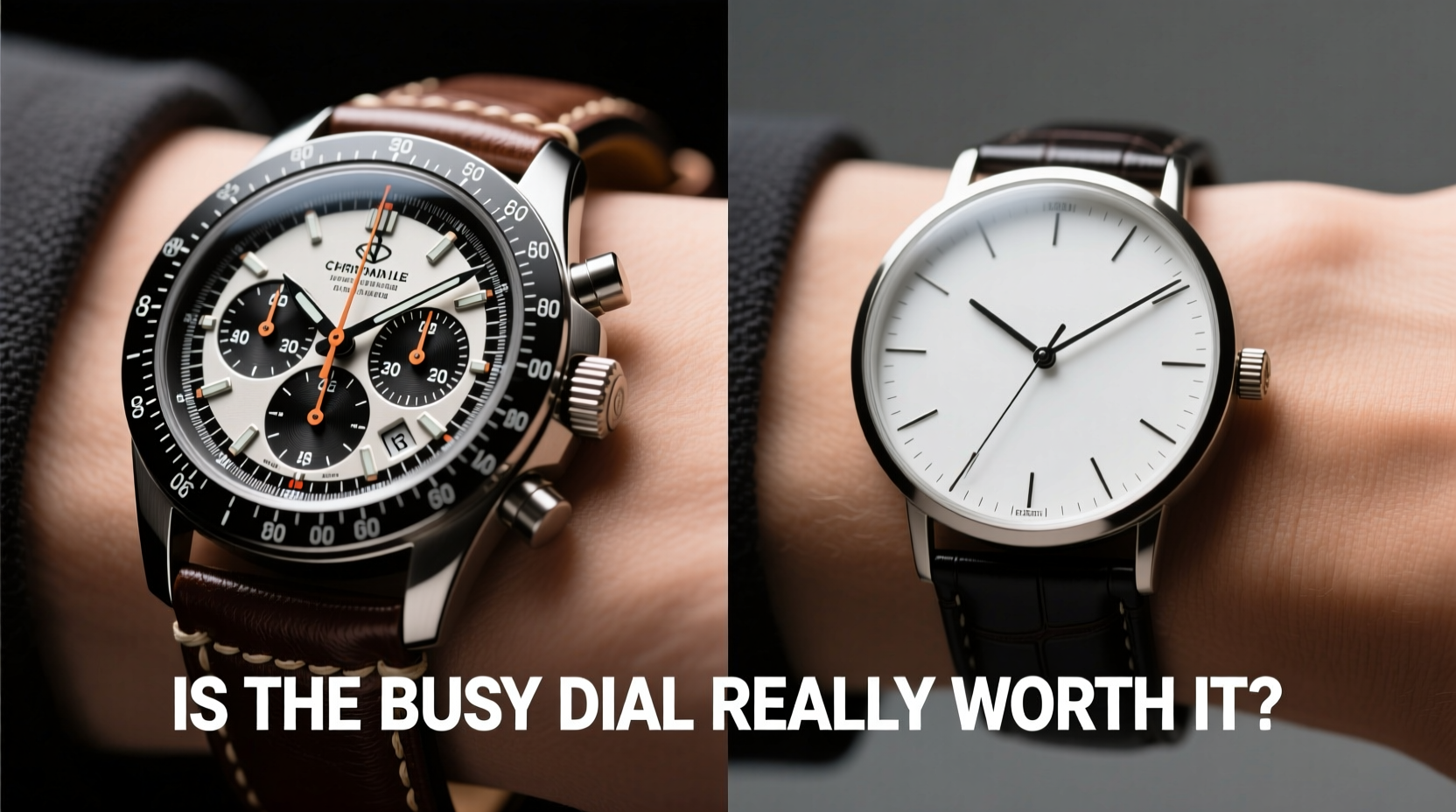
A chronograph isn’t just a stopwatch feature tacked onto a watch face—it’s a mechanical or quartz-powered complication designed to measure elapsed time independently of the main timekeeping function. In Megir’s lineup, many chronographs use reliable Japanese quartz movements, offering precision and ease of use. The typical layout includes three subdials (for seconds, minutes, and hours), two pushers on the side of the case, and often a tachymeter or telemeter scale on the bezel.
But here’s the catch: how often do you actually time something in your day-to-day life? For most people, the stopwatch function is used occasionally—if at all. Whether timing a workout, parking meter, or coffee brew, these moments are brief and infrequent. Yet, the design implications of including a chronograph are permanent: a busier dial, thicker case, and more complex interface.
“Many consumers buy chronographs for their perceived sophistication, not their utility. The design signals capability—even when unused.” — Daniel Reed, Watch Industry Analyst
Design & Aesthetics: Clutter vs. Character
The visual impact of a watch plays a major role in purchase decisions. Simplicity has long been celebrated in design—think of brands like Nomos or even Apple Watch’s clean interface. A simple Megir watch typically features a clean dial with hour markers, minimal text, and perhaps a date window. It’s unobtrusive, elegant, and easy to read at a glance.
In contrast, a Megir chronograph adds visual layers. Subdials break up the negative space, hands multiply, and text elements increase. While some find this dynamic and sporty, others see it as cluttered—especially on smaller watch cases where the subdials can dominate the face.
Chronograph vs Simple: Key Differences at a Glance
| Feature | Chronograph Model | Simple Model |
|---|---|---|
| Dial Complexity | High (3+ subdials, multiple hands) | Low (clean layout, minimal markings) |
| Case Thickness | Thicker (8–10mm avg.) | Thinner (6–7mm avg.) |
| Functionality | Stopwatch, elapsed time tracking | Time-only or time + date |
| Readability | Moderate (can be crowded) | High (clear, instant reading) |
| Lifestyle Fit | Casual, active, tech-inclined | Formal, minimalist, office-oriented |
| Price (Typical) | $45–$70 | $30–$50 |
Practicality in Daily Use
Let’s be honest: most people don’t need a stopwatch on their wrist. Smartphones have made standalone timing functions nearly obsolete. So while the chronograph offers functionality, its real-world application is limited. That said, there are niche scenarios where it shines.
Consider Alex, a freelance photographer who uses his Megir chronograph to time long exposures when testing lighting setups. He doesn’t pull out his phone because his hands are occupied adjusting equipment. For him, the ability to start, stop, and reset the timer without touching another device is genuinely useful. He also appreciates the retro-tech aesthetic it brings to his toolkit.
On the other hand, Sarah, a corporate lawyer, finds her simple Megir dress watch far more practical. She values thinness under shirt cuffs, legibility during back-to-back meetings, and a professional appearance. The chronograph, she says, “looks like I’m trying too hard.”
When a Chronograph Adds Real Value
- Frequent drivers using tachymeter scales to estimate speed
- Fitness enthusiasts timing intervals without unlocking phones
- Tech lovers who enjoy interacting with analog tools
- Collectors seeking variety in design and function
Durability and Maintenance Considerations
More components mean more potential points of failure. While Megir uses durable quartz movements in both lines, the added pushers and internal linkages in chronographs introduce slight vulnerability. Pusher seals can degrade over time, especially with frequent use or exposure to moisture. Even though most Megir chronographs are water-resistant to 3ATM (suitable for splashes, not swimming), prolonged exposure increases risk.
Simple watches, by contrast, have fewer moving external parts. No pushers means less chance of dirt ingress or accidental activation. They’re also easier to maintain—battery changes are straightforward, and cleaning around the crown is hassle-free.
Step-by-Step: Choosing the Right Megir for Your Lifestyle
Selecting between a chronograph and a simple watch shouldn’t be based on trends or marketing alone. Follow this decision-making process:
- Assess your daily routine. Do you work in an office, drive often, or engage in physical activities? High-motion lifestyles may benefit from a tool-like chronograph.
- Evaluate wardrobe compatibility. If you wear suits or slim-fit clothing regularly, a thinner, simpler watch slips under cuffs more easily.
- Test readability. Try reading both styles in low light or at a distance. Can you instantly tell the time on the chronograph, or does your eye get distracted?
- Consider long-term use. Will you still appreciate the busy dial after six months, or will it feel outdated?
- Set a budget. Chronographs typically cost 20–40% more. Ask yourself if the added features justify the price difference.
FAQ: Common Questions About Megir Chronographs
Can I use the chronograph function every day without damaging the watch?
Yes, Megir’s quartz chronographs are built for regular use. However, excessive button pressing or operation in wet conditions may shorten the lifespan of the pusher mechanisms. Use moderately and avoid forceful presses.
Is a simple Megir watch less durable than a chronograph?
No—durability depends more on build quality and usage than complexity. In fact, simple models may last longer due to fewer moving parts exposed to wear. Both types use similar stainless steel cases and mineral crystals.
Do chronograph watches need more frequent battery changes?
Not significantly. While the chronograph module draws slightly more power, most Megir models still offer 2–3 years of battery life. The difference is marginal under normal use.
Final Verdict: Is the Busy Dial Worth It?
The answer depends entirely on your priorities. If you value clean design, comfort, and timeless elegance, a simple Megir watch is likely the better choice. It performs the core function of telling time with unmatched clarity and subtlety.
However, if you’re drawn to mechanical storytelling, enjoy interactive features, or want a statement piece with functional depth, the chronograph offers a unique appeal. Its busy dial isn’t just decoration—it’s a nod to horological tradition and user engagement.
Ultimately, the “worth” of the busy dial isn’t measured in utility alone. It’s about personal expression. For some, sophistication lies in restraint. For others, it’s in the details—the tiny subdials ticking away, a reminder that time can be measured in more ways than one.




 浙公网安备
33010002000092号
浙公网安备
33010002000092号 浙B2-20120091-4
Comments
No comments yet. Why don't you start the discussion?