
When choosing a timepiece, especially in the affordable luxury segment, reliability is often the deciding factor. Megir, a brand known for offering stylish watches at accessible price points, produces both digital-analog hybrid models and fully automatic mechanical watches. While both types serve their purpose, they differ fundamentally in design, functionality, and long-term dependability. Understanding these differences is essential for anyone who values consistency, longevity, and minimal maintenance in their wristwear.
Megir’s digital-analog watches combine electronic precision with traditional aesthetics, while their automatic counterparts appeal to enthusiasts drawn to mechanical craftsmanship. But when it comes down to actual reliability—resistance to failure, accuracy over time, and resilience under daily wear—which style performs better?
Digital-Analog Watches: Precision Meets Practicality
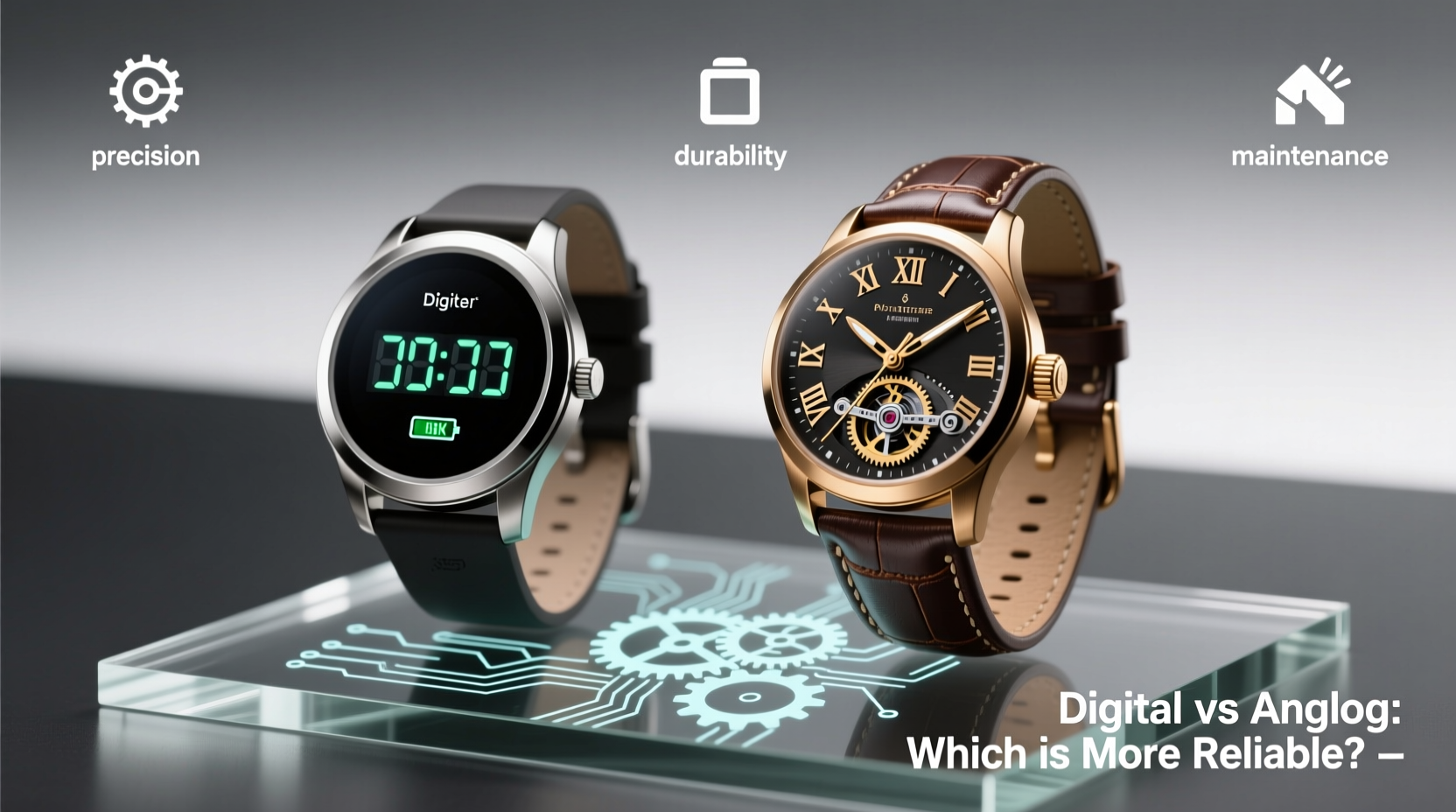
Megir’s digital-analog watches feature a hybrid display: analog hands for hours and minutes, paired with a digital sub-dial or screen showing seconds, date, stopwatch functions, or even day-of-week indicators. These are powered by quartz movements driven by batteries, ensuring high accuracy—typically within ±15 seconds per month.
The integration of digital components allows for added features such as alarms, chronographs, and backlighting, making them ideal for active users who need multifunctional tools on their wrists. Because the movement is battery-operated and electronically regulated, there's less variance due to motion or temperature fluctuations compared to mechanical systems.
These watches also tend to be more shock-resistant than automatics. The absence of delicate balance wheels and spring mechanisms means they handle drops and vibrations better. For someone leading an unpredictable lifestyle—commuting, traveling, working outdoors—this resilience adds significantly to overall reliability.
Automatic Watches: Craftsmanship With Compromises
Megir’s automatic watches operate without batteries, relying instead on a self-winding mechanical movement powered by the natural motion of the wearer’s arm. As the rotor spins with movement, it winds the mainspring, storing energy that powers the watch for typically 38–42 hours when fully wound.
While aesthetically pleasing and satisfying to enthusiasts who appreciate horological tradition, automatic movements are inherently more complex—and thus more vulnerable to wear, misalignment, and environmental stress. Dust, moisture, and sudden impacts can disrupt the finely tuned gears and escapements inside.
“Mechanical watches require more care not because they’re poorly made, but because they’re intricate. Even entry-level automatics demand respect for their mechanics.” — Daniel Reyes, Watch Technician & Horology Instructor
Additionally, if left unworn for more than a day or two, most Megir automatics will stop and need resetting and rewinding. This lack of consistency reduces practical reliability for casual wearers who don’t use their watch daily.
Comparative Reliability: Key Factors Analyzed
| Factor | Digital-Analog (Quartz) | Automatic (Mechanical) |
|---|---|---|
| Accuracy | ±15 seconds/month | ±30 to +60 seconds/day |
| Power Source | Battery (lasts 2–3 years) | Mainspring (requires daily motion) |
| Shock Resistance | High – no delicate springs | Moderate – sensitive balance wheel |
| Maintenance Frequency | Low – mainly battery changes | Every 3–5 years (cleaning, oiling) |
| Downtime Risk | Only during battery change | Stops after ~40 hours off wrist |
| Water Resistance | Generally consistent across models | Varies; seals degrade faster with movement parts |
The data shows a clear trend: digital-analog quartz watches outperform automatics in nearly every metric tied to reliability. They keep better time, require less upkeep, and remain operational regardless of usage patterns.
Real-World Example: Two Users, Two Experiences
Consider two individuals: Sarah, a nurse working 12-hour shifts, and James, a collector who rotates between several watches weekly.
Sarah wears her Megir digital-analog model every day. She forgets to charge smart devices often but never worries about her watch—it runs continuously, tracks her shift times accurately, survives repeated handwashing, and hasn't needed servicing in three years beyond a simple battery swap.
James loves his Megir automatic for its smooth sweeping second hand and visible rotor through the caseback. However, he noticed last week that the watch had stopped overnight despite being worn just two days prior. After consulting a local repair shop, he learned the rotor mechanism wasn’t winding efficiently—a common issue in budget automatics under inconsistent use.
This contrast illustrates how lifestyle affects reliability. For consistent, hassle-free timekeeping, digital-analog wins. For emotional satisfaction and mechanical appreciation, automatic has its place—but at the cost of practical dependability.
Maintenance Checklist for Long-Term Reliability
To maximize the lifespan and performance of either type, follow this actionable checklist:
- ✅ Clean the case and band monthly with a soft cloth and mild soapy water
- ✅ Avoid exposing any watch to extreme temperatures or strong magnetic fields
- ✅ Have water resistance tested every 18–24 months, especially if used near water
- ✅ Store automatic watches in a watch box or winder if not worn regularly
- ✅ Replace quartz batteries promptly upon low-power indication
- ✅ Avoid dropping or knocking the watch against hard surfaces
- ✅ Rotate your watches weekly to distribute wear evenly (for multiple-watch owners)
Frequently Asked Questions
Do Megir automatic watches lose time easily?
Yes, many Megir automatic models gain or lose up to a minute per day due to lower-grade movements and limited regulation. This is normal for watches in this price range but makes them less accurate than quartz alternatives.
Can I wear my Megir digital-analog watch while swimming?
Most Megir digital-analog watches are rated 3ATM (30 meters), meaning they resist splashes and rain but aren’t suitable for swimming or diving. Always check the specific model’s rating before water exposure.
Are automatic watches more prestigious than digital ones?
In traditional watch culture, yes—automatics are often seen as more sophisticated due to their mechanical complexity. However, prestige doesn’t equate to reliability. Many high-end brands now embrace hybrid technology for functional superiority.
Final Verdict: Which Is More Reliable?
When judged purely on reliability—defined as accuracy, durability, ease of use, and resistance to failure—Megir’s digital-analog watches clearly surpass their automatic counterparts. They deliver consistent timekeeping, require minimal intervention, and withstand the rigors of everyday life better than mechanical movements can.
Automatic watches offer charm and heritage, appealing to those who enjoy the ritual of wearing and maintaining a mechanical device. But unless you value the aesthetic and tactile experience over function, the digital-analog option provides superior real-world performance.
For professionals, travelers, parents, healthcare workers, or anyone needing a dependable timepiece without constant attention, the choice is clear: go digital-analog. It’s not just about telling time—it’s about trusting your watch to do it right, every single day.




 浙公网安备
33010002000092号
浙公网安备
33010002000092号 浙B2-20120091-4
Comments
No comments yet. Why don't you start the discussion?