
Stepping out of a warm shower should be a moment of comfort—not a jarring transition onto a cold, hard floor. That’s where bath mats come in. But with so many options, one question keeps surfacing: Is memory foam or cotton truly the better choice for that first barefoot step post-shower? While both materials have loyal followings, the answer depends on what you value most—plush softness, quick drying, long-term hygiene, or ease of care.
This isn’t just about preference; it’s about function, foot health, and daily ritual. A bath mat isn’t merely decorative—it plays a role in safety, warmth, and sensory satisfaction. To help you decide which material delivers the best post-shower experience, we’ll dive into texture, performance, maintenance, and real-world usability.
The Comfort Factor: First Step Sensation
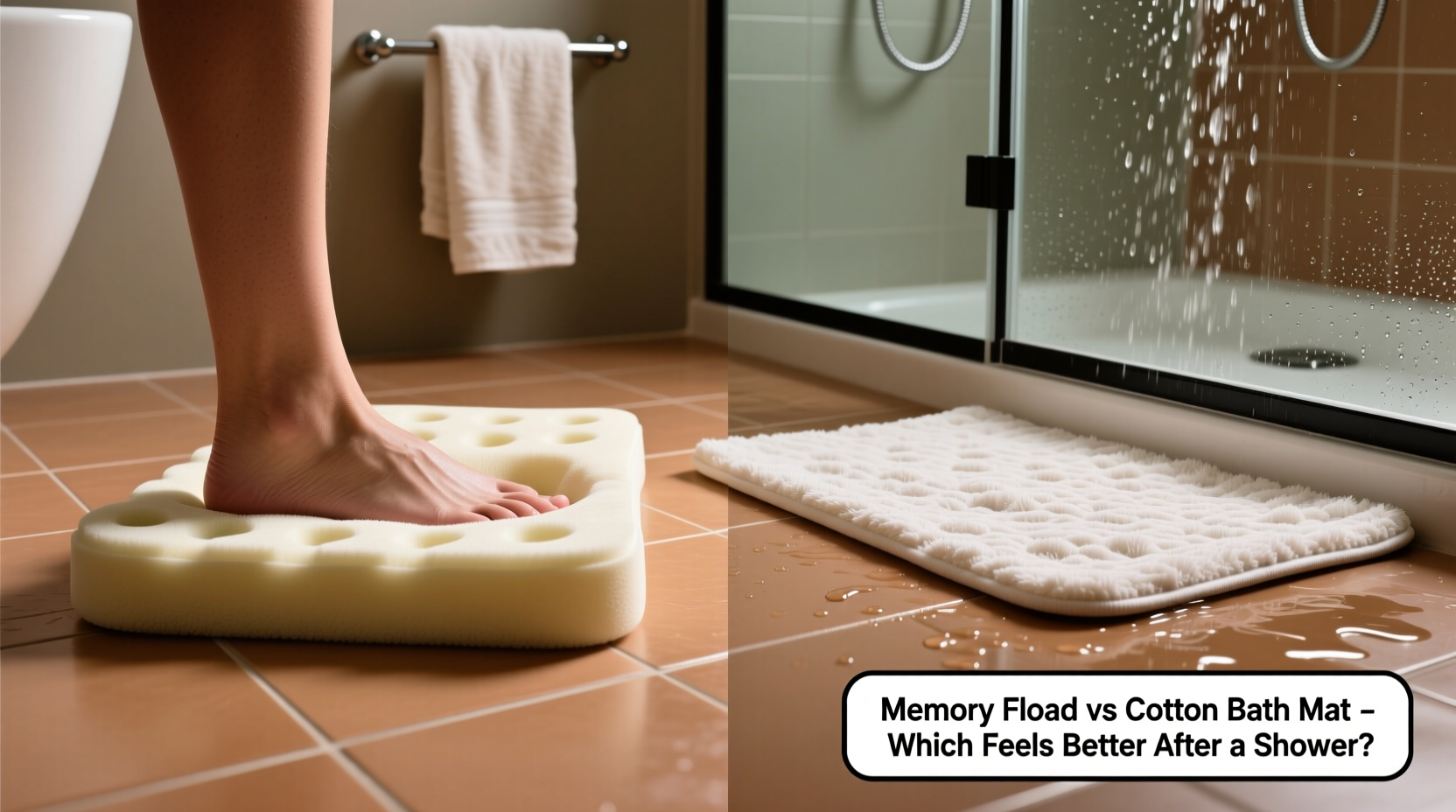
The moment your foot touches the mat is the ultimate test. Memory foam bath mats are engineered for pressure relief. They compress underfoot, molding slightly to the shape of your sole, offering a cloud-like sensation that many describe as “luxurious.” This cushioning is especially appreciated by those with foot pain, plantar fasciitis, or joint sensitivity.
Cotton bath mats, on the other hand, provide a different kind of comfort—one rooted in familiarity. High-pile cotton towels feel soft and absorbent, but they don’t offer the same depth of support. Their surface gives less, making them feel firmer underfoot. However, cotton excels in breathability and a natural tactile quality that some users find more pleasant than synthetic foams.
Drying Performance and Moisture Management
After absorbing water from wet feet, a bath mat must dry quickly to prevent mildew and odors. Here, cotton has a distinct advantage. Natural fibers like cotton wick moisture effectively and evaporate it faster when aired properly. When hung or laid flat in a ventilated bathroom, a cotton mat can dry within hours.
Memory foam, while often covered in a terry cloth or velour top layer, contains a dense inner core that traps moisture. Even if the surface appears dry, the foam underneath can retain dampness for days—especially in poorly ventilated bathrooms. This creates an ideal environment for mold and bacteria unless the mat is cleaned frequently or air-dried thoroughly.
A 2022 study by the American Society for Microbiology found that high-humidity bathroom textiles made with synthetic foam retained up to 3x more microbial growth over a two-week period compared to cotton alternatives when not fully dried between uses.
“Moisture retention in memory foam mats is a hidden hygiene issue. Many users don’t realize their ‘soft’ mat could be harboring allergens.” — Dr. Lena Patel, Environmental Health Specialist
Maintenance and Longevity Comparison
Care requirements differ significantly between the two materials. Cotton bath mats are typically machine washable and dryer-safe, making them low-maintenance and easy to refresh weekly. Most can withstand repeated washing without significant degradation, especially if made from tightly woven, high-thread-count cotton.
Memory foam mats are trickier. While some brands claim machine washability, doing so risks damaging the foam structure. Frequent washing can cause the foam to break down, lose its shape, or delaminate from the backing. Most manufacturers recommend spot cleaning or gentle hand washing, followed by extended air drying—often 24 to 48 hours.
Over time, memory foam tends to flatten, especially in high-traffic areas. Once compressed, it rarely regains its original loft. Cotton mats, while prone to pilling or fraying at edges, maintain their functional integrity longer with proper care.
Bath Mat Comparison: Memory Foam vs Cotton
| Feature | Memory Foam | Cotton |
|---|---|---|
| Softness | Very high (plush, cushioned) | Moderate to high (depends on pile) |
| Drying Time | Slow (24–72 hours) | Fast (4–12 hours) |
| Washability | Limited (spot clean preferred) | Easy (machine washable) |
| Durability | Moderate (foam degrades over time) | High (with proper care) |
| Hypoallergenic | Risk of mold if damp | Naturally resistant when dry |
| Slip Resistance | Excellent (non-slip backing) | Fair (can shift when wet) |
Real-World Example: Two Homes, Two Choices
In Portland, Oregon, Sarah, a physical therapist, installed memory foam mats in both her master bathroom and guest bath. She loves the way they feel on her feet after long workdays. “It’s like stepping onto a massage pad,” she says. But she admits to washing them only twice a year due to the hassle, and recently noticed a faint musty smell. After testing a high-pile cotton alternative, she found it less cushioned but far easier to maintain—and odor-free.
Meanwhile, James in Austin, Texas, switched from memory foam to organic cotton after his toddler developed recurring rashes. His pediatrician suggested checking bathroom surfaces for mold exposure. “I never thought the mat could be the culprit,” he said. Since switching, the rashes disappeared, and he now rotates two cotton mats for daily use and washing.
Choosing Based on Your Lifestyle
Your ideal bath mat depends on your routine, bathroom conditions, and priorities. Consider these factors:
- Bathroom ventilation: Poor airflow favors cotton, which dries faster and resists mildew.
- Foot sensitivity: Arthritis, diabetes, or plantar fasciitis make memory foam’s cushioning valuable.
- Cleaning habits: If you dislike deep cleaning, cotton’s machine-washable nature is a major plus.
- Household members: Families with kids or allergy sufferers may benefit from cotton’s breathability and lower allergen risk.
Action Checklist: How to Choose the Right Bath Mat
- Evaluate your bathroom’s ventilation and humidity levels.
- Assess foot comfort needs—do you want cushioning or light softness?
- Determine how often you’re willing to clean the mat.
- Check for non-slip backing, especially for memory foam models.
- Opt for OEKO-TEX certified cotton or CertiPUR-US foam to avoid harmful chemicals.
- Test a sample if possible—comfort is personal.
Frequently Asked Questions
Can memory foam bath mats be washed in the washing machine?
Some brands allow gentle machine washing, but it’s risky. Water can saturate the foam core, leading to slow drying and potential breakdown. Most experts recommend spot cleaning with mild detergent and thorough air drying instead.
Do cotton bath mats get slippery when wet?
They can, especially if they lack a rubberized backing. Look for cotton mats with anti-skid undersides. Alternatively, place them over a non-slip bath rug pad for added safety.
Which type lasts longer?
Cotton generally lasts longer with regular use and proper care. Memory foam tends to compress and degrade within 1–2 years, while well-maintained cotton mats can remain functional for 3–5 years or more.
Final Verdict: What Actually Feels Better?
The immediate sensation of stepping onto a memory foam mat is undeniably luxurious. It offers unmatched cushioning, warmth, and support—ideal for cold mornings or sore feet. However, long-term comfort includes more than just the first step. It encompasses cleanliness, freshness, and consistency.
Cotton may not deliver the same initial plushness, but it provides reliable softness, superior breathability, and peace of mind when it comes to hygiene. With modern high-pile weaves and anti-slip backings, cotton mats now rival memory foam in both comfort and safety.
If you value low maintenance, quick drying, and natural materials, cotton is likely the better overall choice. But if you crave deep cushioning and are diligent about airing and cleaning, memory foam can still earn its place—especially in master bathrooms with good ventilation.
In the end, “feeling better” isn’t just about texture—it’s about how the mat fits into your daily life, how it ages, and whether it supports a healthy, comfortable routine.




 浙公网安备
33010002000092号
浙公网安备
33010002000092号 浙B2-20120091-4
Comments
No comments yet. Why don't you start the discussion?