
When choosing between a mesh backpack and a leather bag, one of the most critical factors is how well each holds up against the elements—especially rain—and daily wear from commuting, hiking, or travel. While aesthetics and comfort matter, long-term durability often decides which bag earns a permanent spot in your routine. Mesh and leather are fundamentally different materials, each with strengths and weaknesses when exposed to moisture and physical stress. Understanding these differences helps you make a smarter investment based on your lifestyle.
Durability Under Rough Use: Material Structure and Resilience
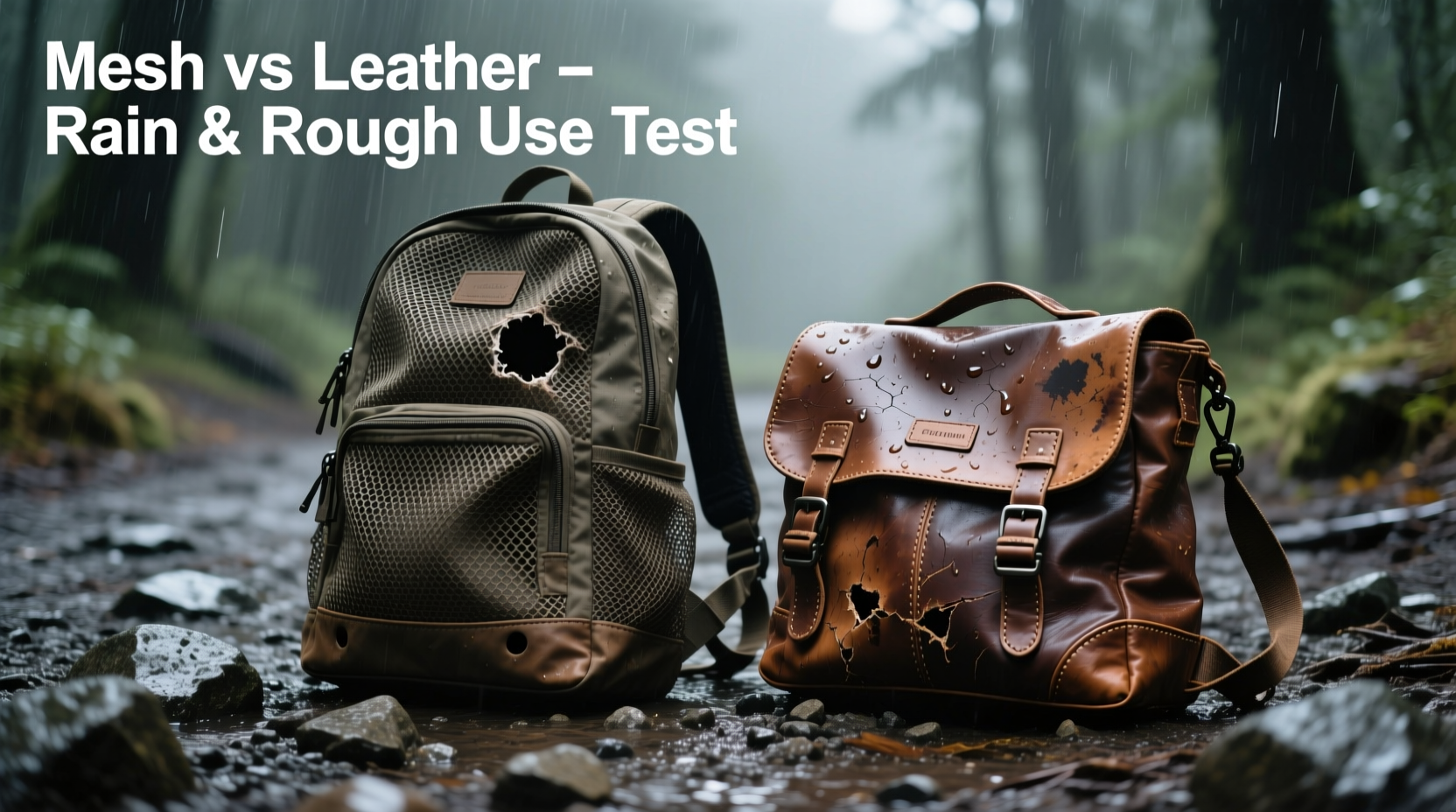
The way a bag responds to abrasion, impact, and overloading depends largely on its construction material. Mesh backpacks typically use synthetic fabrics like nylon or polyester woven into an open grid pattern. This design prioritizes breathability and lightweight support, making them ideal for athletic use or hot climates. However, the open weave that allows airflow also makes mesh more vulnerable to snagging, tearing, and fraying when dragged across rough surfaces or stuffed into tight spaces.
In contrast, leather—especially full-grain or top-grain varieties—is naturally dense and fibrous. It resists punctures and abrasions far better than mesh, especially after it’s been conditioned and develops a protective patina over time. Leather bags are often stitched with reinforced thread and built with rigid frames or structured compartments, which help maintain shape even when overloaded. While not indestructible, a well-made leather bag can endure years of heavy use without structural failure.
That said, not all leather is equal. Bonded leather or faux leather tends to peel, crack, and delaminate under stress, offering little advantage over mesh in longevity. Similarly, high-denier mesh (like 600D polyester) with ripstop weaving improves resilience significantly compared to thin, loosely knit versions found in budget backpacks.
Water Resistance and Rain Performance
Rain exposure is where the two materials diverge most dramatically. Mesh, by design, is permeable. Even if treated with a water-repellent coating, it will eventually allow moisture through during prolonged downpours. While some mesh backpacks include internal rain covers or laminated linings, the outer shell remains breathable—which means wet weather soaks through, dampening contents and promoting mildew if not dried promptly.
Leather behaves differently. Natural leather is not waterproof, but it is water-resistant to a degree. When hit by light rain, the surface tension of tightly packed collagen fibers causes water to bead up and roll off—especially if the leather has been properly conditioned with oils like mink or neatsfoot. However, sustained soaking causes leather to absorb water, swell, and potentially stiffen or crack upon drying. Unprotected leather left in the rain can suffer permanent damage, including warping, staining, and mold growth.
Synthetic treatments can enhance protection. Waxed canvas-lined leather bags or those with DWR (durable water repellent) finishes offer improved defense. But they still require post-rain care: wiping dry, stuffing with paper to retain shape, and air-drying away from heat sources.
“Leather isn’t meant to be waterproof, but with proper maintenance, it can handle incidental rain better than any mesh pack.” — Daniel Reyes, Artisan Bag Maker & Materials Consultant
Comparative Analysis: Key Factors at a Glance
| Factor | Mesh Backpack | Leather Bag |
|---|---|---|
| Water Resistance | Poor (permeable by design); needs rain cover | Moderate (beads light rain); degrades if soaked |
| Abrasion Resistance | Fair (prone to snags; higher denier helps) | Excellent (dense fiber structure) |
| Drying Time After Rain | Fast (open weave allows quick evaporation) | Slow (absorbs moisture; requires careful drying) |
| Maintenance Needs | Low (rinse and air dry) | High (regular conditioning, cleaning, storage care) |
| Lifespan (with care) | 2–5 years | 7–15+ years |
| Weight When Wet | Increases moderately | Significantly heavier when saturated |
Real-World Scenario: Commuting Through Monsoon Season
Consider Maya, a university student in Seattle who walks 30 minutes to campus every day, regardless of weather. Last winter, she used a ventilated mesh backpack for its comfort during uphill hikes. Within three weeks of consistent drizzle, the lining began to mildew, her notebooks warped, and a strap seam split after catching on a bike rack. She switched to a vegetable-tanned leather messenger bag. Though heavier, it repelled light rain effectively when wiped down nightly. After applying a beeswax-based protector monthly, the bag developed a rich luster and showed no signs of wear by semester’s end—even after being dropped in a puddle twice.
This case illustrates a key insight: while mesh fails quickly under constant dampness, leather—with minimal upkeep—can outperform in wet environments despite not being inherently waterproof. The deciding factor was not just material, but user behavior and preventive care.
Maintenance Requirements for Longevity
Long-term survival under tough conditions depends less on initial material strength and more on consistent maintenance. Mesh backpacks are easier to clean—most can be rinsed with a hose or washed in a machine—but they degrade silently. UV exposure weakens fibers, and repeated wet-dry cycles break down coatings. Mildew inside pockets is common if not aired thoroughly.
Leather demands more attention but rewards it with extended service life. A basic care routine includes:
- Wiping with a damp cloth after exposure to dirt or moisture
- Applying leather conditioner every 3–6 months
- Using a protectant spray before rainy seasons
- Storing in a breathable cotton bag away from direct sunlight
- Rotating usage to prevent over-stressing one item
Neglecting care turns even premium leather into brittle, cracked material within a few years. Conversely, a neglected mesh pack may look fine externally but harbor weakened seams and microbial growth inside.
Step-by-Step Guide: Preparing Your Bag for Rainy Conditions
Regardless of material, preparation improves performance. Follow this timeline before and during wet-weather use:
- Week Before Rainy Season: Inspect stitching, zippers, and closures. For leather, apply a nourishing conditioner and allow 24 hours to absorb.
- One Day Before Heavy Use: Treat leather with a water-resistant spray (e.g., Saphir Super Invulner or Lexol). Let dry completely. For mesh, ensure any included rain cover is accessible.
- Before Each Rainy Trip: Pack essentials in sealed plastic or waterproof pouches. Distribute weight evenly to avoid strain on weak points.
- During Exposure: Minimize contact with standing water. If caught in rain, keep the bag upright and avoid setting it on wet surfaces.
- After Getting Wet:
- Mesh: Remove contents, shake out water, hang in a ventilated area. Wash if odors develop.
- Leather: Wipe surface gently with a dry cloth. Stuff with newspaper to absorb internal moisture and maintain shape. Air-dry at room temperature—never near heaters.
- Weekly Check: Reassess condition. Reapply protectant if water no longer beads on leather.
Which Is Better for Your Lifestyle?
The answer depends on how and where you use your bag. For active outdoor use—hiking, cycling, gym commutes—a mesh backpack offers breathability, quick drying, and lighter weight. If you’re frequently in motion and face intermittent showers, pairing it with a compact rain cover makes it viable.
For urban professionals, students, or travelers who value longevity and appearance, a leather bag is superior in surviving rough handling. Its resistance to scuffs, drops, and daily friction outweighs its slower drying time. With modest care, it ages gracefully rather than deteriorating abruptly.
Hybrid options now bridge the gap. Some brands combine water-resistant coated mesh with leather trim or use water-treated canvas with mesh ventilation panels. These aim to balance breathability and toughness, though they often come at a premium price.
FAQ
Can I leave a leather bag in the rain?
No. While brief exposure is manageable, prolonged rain causes leather to absorb water, leading to stiffness, discoloration, and potential mold. Always dry it properly afterward.
Do mesh backpacks last in humid climates?
They can, but only with diligent drying. Humidity encourages mildew in mesh linings and zippers. Regular airing and occasional vinegar-water wipes help prevent buildup.
Is there a leather alternative that handles rain better?
Yes. Waxed canvas, Cordura nylon, or ballistic polyester offer excellent water resistance and durability. Many luxury brands now use these in combination with leather accents for optimal performance.
Final Recommendation and Action Plan
If your priority is surviving rain and rough use over many years, a well-crafted leather bag wins—provided you commit to basic care. It withstands impacts, resists tears, and develops character over time. Mesh backpacks serve best in high-movement, short-duration roles where ventilation matters more than elemental defense.
For maximum resilience, consider this checklist before purchasing:
- ✔ Assess your typical environment: frequent rain? rugged terrain?
- ✔ Choose full-grain or top-grain leather for bags; avoid bonded or faux types
- ✔ Opt for high-denier, ripstop mesh if going the backpack route
- ✔ Look for reinforced stitching, quality zippers, and protective coatings
- ✔ Budget time for seasonal maintenance, especially before wet months
“Durability isn’t just about the material—it’s about the relationship between user and object. The bag you care for consistently will always outlast the one you don’t.” — Lena Torres, Sustainable Fashion Researcher
Conclusion
When comparing mesh backpacks and leather bags for surviving rain and rough use, the edge goes to leather—not because it’s impervious, but because it’s repairable, resilient, and responsive to care. Mesh serves a functional niche but lacks the structural integrity and aging potential of quality leather. Your choice should reflect not just immediate needs, but long-term habits. Invest in a leather bag, learn its care rhythm, and you’ll have a reliable companion for over a decade. Choose mesh for agility and breathability, but accept its shorter lifespan and vulnerability to the elements.




 浙公网安备
33010002000092号
浙公网安备
33010002000092号 浙B2-20120091-4
Comments
No comments yet. Why don't you start the discussion?