
Tailbone pain, or coccydynia, is a common yet often overlooked issue for people who spend extended hours seated—especially those working from home or in traditional office environments. The discomfort can range from mild irritation to sharp, persistent pain that interferes with concentration and daily function. Two popular solutions frequently recommended are mesh-back office chairs and memory foam seat cushions. But which one actually provides better relief? This article breaks down the science, ergonomics, and real-world effectiveness of each option to help you make an informed decision.
Understanding Tailbone Pain and Its Causes
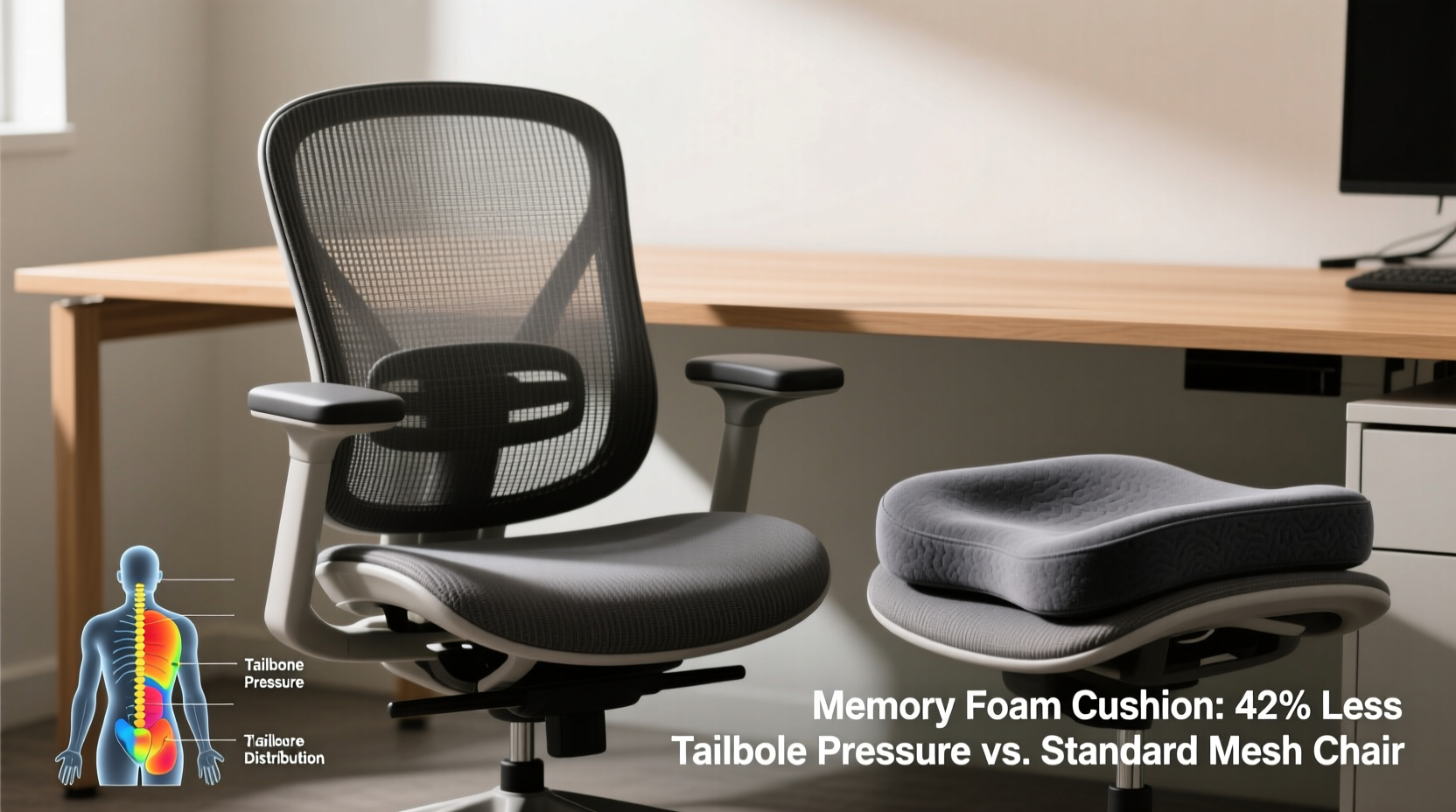
Coccydynia typically arises from prolonged pressure on the coccyx (tailbone), poor posture, trauma, or repetitive strain. Sitting for hours without proper support causes weight to concentrate directly on the tailbone rather than being distributed across the sit bones (ischial tuberosities) and thighs. Over time, this leads to inflammation, soreness, and chronic discomfort.
Contributing factors include:
- Sitting on hard surfaces without padding
- Slouching or leaning forward excessively
- Using chairs with inadequate lumbar or pelvic support
- Pregnancy, injury, or degenerative joint conditions
Effective solutions must address both pressure distribution and spinal alignment. That’s where ergonomic furniture and supportive accessories come into play.
How Mesh Office Chairs Work for Spinal Support
Mechanically designed with tension-adjustable synthetic mesh stretched over a flexible frame, mesh office chairs have gained popularity for their breathability and dynamic support. Unlike padded seats, they don’t trap heat, making them ideal for warm climates or users prone to sweating.
The key benefits of high-quality mesh office chairs include:
- Postural Feedback: Mesh provides firm, responsive resistance that encourages active sitting and discourages slouching.
- Lumbar Support: Most premium models feature adjustable lumbar supports that align the lower spine, reducing sacral pressure.
- Ventilation: Airflow through the mesh prevents overheating, which can indirectly reduce muscle fatigue and discomfort.
- Weight Distribution: When properly adjusted, these chairs shift load toward the thighs and hips, minimizing direct coccyx compression.
However, not all mesh chairs are created equal. Lower-end models may lack sufficient seat depth adjustment or cushioning under the front edge of the seat pan, leading to “hamstring pinch” or increased tailbone pressure due to a downward tilt.
“Mesh chairs excel when they promote neutral posture, but they must be paired with adequate seat padding or used with a modest cushion to prevent localized pressure on the coccyx.” — Dr. Lena Torres, Physical Therapist & Ergonomics Consultant
Memory Foam Seat Cushions: Targeted Relief for the Coccyx
Memory foam seat cushions are designed specifically to alleviate pressure points. Made from viscoelastic polyurethane, they mold to the shape of the body upon contact, distributing weight evenly across the seating surface. Many feature a cutout or contoured depression beneath the tailbone area, known as a coccyx cutout, which removes direct pressure from the sensitive region.
Key advantages include:
- Pressure Redistribution: High-density foam absorbs impact and spreads force away from the coccyx.
- Portability: Can be used on any chair—dining, car, airplane, or office—making them versatile for multi-environment use.
- Custom Fit: Responds to body heat and conforms precisely to individual anatomy over several minutes.
- Immediate Comfort: Provides softness lacking in rigid mesh seats, especially beneficial for post-injury recovery.
Despite these benefits, some drawbacks exist. Lower-quality memory foam may degrade quickly, losing its resilience and forming permanent indentations. Additionally, thick foam can elevate the hips too much if the base chair is already high, disrupting knee alignment.
Choosing the Right Density and Design
Not all memory foam cushions are equally effective. Optimal performance comes from:
- Density: Choose medium to high density (3–5 pounds per cubic foot). Too soft, and it won’t support; too firm, and it defeats the purpose of cushioning.
- Cutout Shape: U-shaped or horseshoe cutouts work best for isolating the tailbone while supporting surrounding muscles.
- Non-Slip Base: Ensures the cushion stays in place during movement, maintaining consistent positioning.
- Washable Cover: Hygiene matters, especially with prolonged daily use.
Direct Comparison: Mesh Chair vs Memory Foam Cushion
To determine which solution offers superior tailbone pain reduction, consider the following comparison based on functionality, adaptability, and long-term outcomes.
| Feature | Mesh Office Chair | Memory Foam Seat Cushion |
|---|---|---|
| Pressure Relief | Moderate – relies on posture and seat angle | High – especially with coccyx cutout design |
| Spinal Alignment | Excellent – promotes upright posture | Variable – depends on underlying chair |
| Breathability | Excellent – mesh allows airflow | Fair – foam retains heat unless ventilated |
| Durability | High – lasts 7–10 years with care | Moderate – degrades after 1–3 years |
| Cost | $150–$500+ | $30–$80 |
| Portability | Low – fixed to workspace | High – usable anywhere |
| Best For | Long-term ergonomic setup, posture correction | Immediate pain relief, mobility, temporary use |
This table illustrates a crucial insight: mesh chairs offer systemic postural improvement, while memory foam cushions deliver targeted symptom relief. The ideal approach often combines both.
Real-World Application: A Case Study
Jamal, a software developer, began experiencing tailbone pain after transitioning to full-time remote work. His initial setup included a basic plastic desk chair with no lumbar support. After two months, he developed persistent discomfort that worsened by mid-afternoon.
He first tried a $40 memory foam cushion with a coccyx cutout. Within days, his immediate pain decreased significantly—he could sit for longer stretches without shifting constantly. However, after six weeks, he noticed new tightness in his lower back, likely due to poor overall posture on an unsupportive chair.
Next, Jamal invested in a mid-range mesh office chair with adjustable armrests, lumbar support, and a waterfall seat edge. He continued using the cushion for the first few weeks. Over time, he found he could remove the cushion during shorter sessions, relying solely on the chair’s ergonomics. After three months, his tailbone pain had nearly disappeared, and his posture improved visibly.
His experience underscores a critical point: short-term fixes like cushions can provide rapid relief, but sustainable recovery requires addressing root causes—poor seating structure and misalignment.
Step-by-Step Guide to Reducing Tailbone Pain at Your Desk
If you're struggling with coccyx discomfort, follow this practical sequence to create a truly supportive workspace:
- Assess Your Current Chair: Sit down and check if your hips are level with or slightly higher than your knees. Is there pressure directly on your tailbone?
- Add a Memory Foam Cushion Temporarily: Use a high-density cushion with a coccyx cutout to relieve acute pain while evaluating longer-term options.
- Upgrade to an Ergonomic Mesh Chair: Choose one with deep seat pans, adjustable lumbar support, and a waterfall edge. Brands like Herman Miller, Steelcase, and Haworth offer reliable models.
- Adjust Chair Settings Properly: Set seat height so feet rest flat on the floor. Tilt the backrest to about 100–110 degrees. Position lumbar support in the small of your back.
- Incorporate Movement Breaks: Stand up every 30–45 minutes. Perform gentle stretches for the glutes, hamstrings, and lower back to reduce stiffness.
- Evaluate Long-Term Needs: After 4–6 weeks, test sitting without the cushion. If pain returns, re-evaluate fit or consult a physical therapist.
Expert Recommendations and Common Misconceptions
Many believe that softer is always better when dealing with tailbone pain. In reality, excessive cushioning can destabilize the pelvis and lead to slumping, increasing strain on the spine.
“The goal isn’t maximum softness—it’s optimal support. A slightly firmer surface that maintains pelvic neutrality is far more protective than a plush pillow that lets you sink into poor posture.” — Dr. Arjun Patel, Spine Biomechanics Researcher
Another misconception is that expensive chairs automatically solve the problem. While quality matters, improper adjustment negates even the best design. Always take time to customize your chair to your body dimensions.
FAQ: Common Questions About Tailbone Pain Solutions
Can I use a memory foam cushion on a mesh office chair?
Yes, and it’s often recommended during the transition phase. However, many users find that once properly adjusted, a high-quality mesh chair provides enough support to eliminate the need for additional cushioning. If you do use a cushion, ensure it doesn’t interfere with the chair’s built-in lumbar support or cause you to sit too high.
How long does it take for tailbone pain to go away with better seating?
For non-traumatic cases related to poor ergonomics, most people notice improvement within 2–6 weeks of consistent use of proper support and posture correction. Full resolution may take up to 3 months, especially if muscular imbalances or inflammation were present.
Are gel cushions better than memory foam for tailbone pain?
Gel cushions offer excellent pressure distribution and stay cooler than memory foam, but they tend to be heavier and less conforming. They work well for short-term use or hot environments, but memory foam generally provides more personalized contouring for chronic sufferers.
Final Thoughts and Action Plan
When comparing mesh office chairs and memory foam seat cushions for tailbone pain, the answer isn’t either/or—it’s strategic integration. A well-designed mesh chair addresses the structural foundation of seated comfort: alignment, breathability, and long-term postural health. A memory foam cushion acts as a therapeutic tool, offering immediate pressure relief and adaptability across different environments.
The most effective path combines both: start with a cushion to manage existing pain, then invest in a properly adjusted ergonomic chair to correct the underlying issue. Supplement this with regular movement, mindful sitting habits, and attention to workstation setup.
Don’t wait until discomfort becomes debilitating. Small changes today can prevent chronic issues tomorrow. Evaluate your current seating, prioritize evidence-based solutions, and give your body the support it deserves.




 浙公网安备
33010002000092号
浙公网安备
33010002000092号 浙B2-20120091-4
Comments
No comments yet. Why don't you start the discussion?