
Honey has been cherished for centuries not only for its sweetness but also for its antimicrobial properties and long shelf life. Yet, one common habit in kitchens around the world—using a metal spoon to scoop honey—might be doing more harm than good. While it may seem harmless, especially when using high-quality cutlery, the interaction between metal and honey can lead to subtle but meaningful consequences for both flavor and health. Understanding this dynamic empowers you to make better choices in how you store and serve one of nature’s most timeless sweeteners.
The Chemistry Behind Honey and Metal
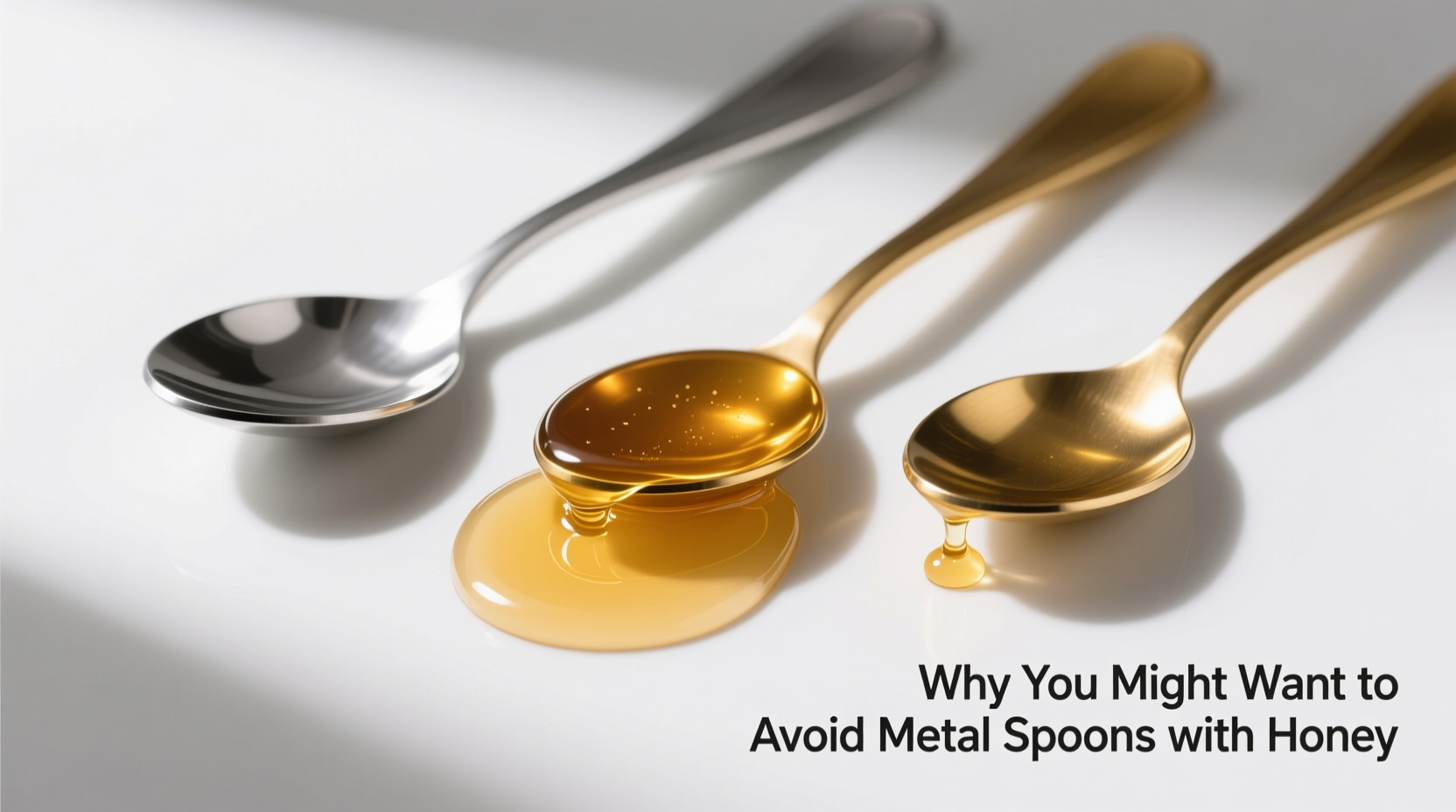
Honey is naturally acidic, with a pH typically ranging from 3.4 to 6.1, depending on its floral source. This acidity makes it reactive with certain metals, particularly those that are less noble or prone to oxidation. When a metal spoon—especially one made from reactive metals like iron, copper, or even lower-grade stainless steel—comes into contact with honey, a slow chemical reaction can occur.
Over time, trace amounts of metal ions can leach into the honey. While the quantity is usually minimal, repeated exposure increases cumulative intake. More importantly, these ions can catalyze oxidation reactions within the honey, accelerating the degradation of sensitive compounds such as enzymes and antioxidants. For example, glucose oxidase—an enzyme responsible for honey’s antibacterial activity—can be deactivated by contact with certain metals.
“Even brief contact between honey and reactive metals can initiate oxidative processes that diminish honey’s natural benefits.” — Dr. Lena Patel, Food Chemist at the Institute for Natural Products Research
Flavor and Aroma Alterations
Beyond chemical changes, metal spoons can subtly—but noticeably—affect the sensory experience of honey. Artisanal and raw honeys often boast complex flavor profiles influenced by the nectar source: think notes of lavender, citrus, wildflowers, or even spice. These delicate nuances are vulnerable to disruption.
Metals, especially when slightly corroded or tarnished, can impart metallic off-flavors. Even if the taste isn’t immediately obvious, prolonged use of metal utensils in the same honey jar may result in a gradual dulling of aroma and sweetness. This is particularly true for unprocessed honeys rich in volatile organic compounds (VOCs), which contribute significantly to their bouquet.
Consider this: a spoon left resting in a jar acts as a continuous point of contact. Over weeks or months, this persistent exposure increases the likelihood of flavor degradation. In blind taste tests conducted by culinary researchers, participants consistently rated honey stirred with wooden or ceramic spoons as fresher and more aromatic compared to samples handled with metal.
Material Comparison: What Spoons Are Safe?
| Material | Reactivity with Honey | Pros | Cons |
|---|---|---|---|
| Wood | Low | Natural, non-reactive, gentle on containers | Porous—requires thorough drying to prevent moisture retention |
| Silicone | None | Flexible, easy to clean, inert | May retain odors if low quality |
| Plastic | Low (if food-grade) | Affordable, lightweight | Can scratch, harbor bacteria, degrade over time |
| Stainless Steel (304/316) | Minimal (if high grade) | Durable, hygienic, widely available | Cheap variants may contain reactive alloys; not ideal for long-term contact |
| Silver/Gold | Very Low | Non-reactive, antimicrobial properties | Expensive, impractical for daily use |
Real Example: The Beekeeper’s Jar Incident
In a small apiary in Vermont, a beekeeper began receiving feedback from loyal customers that his prized wildflower honey tasted “flat” compared to previous batches. No changes had been made in harvesting or processing. Upon investigation, he discovered that a new assistant had started using a stainless steel serving spoon during tastings at farmers’ markets—and worse, was leaving it inside the demonstration jar overnight.
After switching to bamboo scoops and ensuring no metal remained in contact with the honey, customer comments improved dramatically. Lab analysis later confirmed elevated iron traces in the affected batch, likely due to prolonged exposure. While not harmful in the short term, the change underscored how easily metal contamination could compromise product integrity—even in small-scale operations.
Best Practices for Handling and Serving Honey
To preserve honey’s quality, follow these guidelines every time you access your jar:
- Choose the right utensil: Opt for wooden, silicone, or ceramic spoons. Avoid aluminum, copper, iron, or plated metals.
- Keep it dry: Never introduce a wet spoon into honey, as moisture can promote fermentation and spoilage.
- Don’t leave spoons in the jar: Even non-reactive materials should be removed after use to maintain hygiene.
- Store properly: Keep honey in glass or food-safe ceramic containers with tight lids, away from heat and sunlight.
- Clean utensils thoroughly: Wooden spoons should be hand-washed and fully air-dried to prevent mold.
Checklist: Safe Honey Handling Routine
- ✅ Use a non-metal spoon (wood, silicone, ceramic)
- ✅ Ensure the spoon is completely dry before use
- ✅ Scoop once and remove the spoon—don’t leave it in
- ✅ Store honey in a cool, dark place in an airtight container
- ✅ Inspect your utensils regularly for wear or corrosion
When Is a Metal Spoon Acceptable?
Not all metal contact is equally problematic. High-grade stainless steel (particularly surgical-grade 316) is highly resistant to corrosion and generally considered safe for brief contact. If you must use metal—such as in commercial kitchens where sanitation protocols require it—ensure the steel is certified food-safe and never allow the spoon to remain in the honey for extended periods.
Additionally, occasional use of a clean, dry stainless steel spoon poses minimal risk for most consumers. The primary concern arises with repeated exposure, low-quality metals, or storage practices that encourage prolonged contact. For everyday home use, however, non-metal alternatives remain the gold standard.
Frequently Asked Questions
Can metal spoons make honey toxic?
No, using a metal spoon occasionally will not make honey toxic. However, prolonged contact with reactive metals may leach small amounts of ions into the honey, potentially affecting flavor and reducing beneficial compounds over time. It’s a matter of quality preservation rather than immediate danger.
Is it safe to store honey in a metal container?
Generally, no. Storing honey in metal containers—especially those made from iron, copper, or zinc—can lead to oxidation and contamination. Over time, acids in honey react with the metal, increasing the risk of spoilage and off-flavors. Glass or ceramic is strongly recommended for long-term storage.
What’s the best way to clean a honey jar?
Rinse the empty jar with warm water—no soap needed, as residue can linger. Let it air dry completely before refilling. For stubborn residue, use a bottle brush with baking soda. Avoid putting honey jars in the dishwasher if they’ve contained raw honey, as high heat and detergents may degrade future batches.
Conclusion: Small Changes, Lasting Benefits
The choice of spoon might seem trivial, but when it comes to preserving the purity and potency of honey, details matter. By avoiding metal spoons—especially those made from reactive materials—you protect the integrity of this ancient superfood. Whether you’re drizzling honey over yogurt, stirring tea, or offering it as a natural remedy, selecting the right tool enhances both safety and enjoyment.




 浙公网安备
33010002000092号
浙公网安备
33010002000092号 浙B2-20120091-4
Comments
No comments yet. Why don't you start the discussion?