
When it comes to presenting a beautifully crafted cake, the stand beneath it is more than just a base—it’s part of the presentation. The choice between metal and wood cake stands isn’t merely aesthetic; it influences stability, longevity, ease of use, and even how well your cake stays intact during display. While both materials have loyal followings, understanding their strengths and limitations can help you make an informed decision based on your needs, whether you're hosting a wedding, birthday party, or simply elevating your home baking.
Durability and Longevity Compared
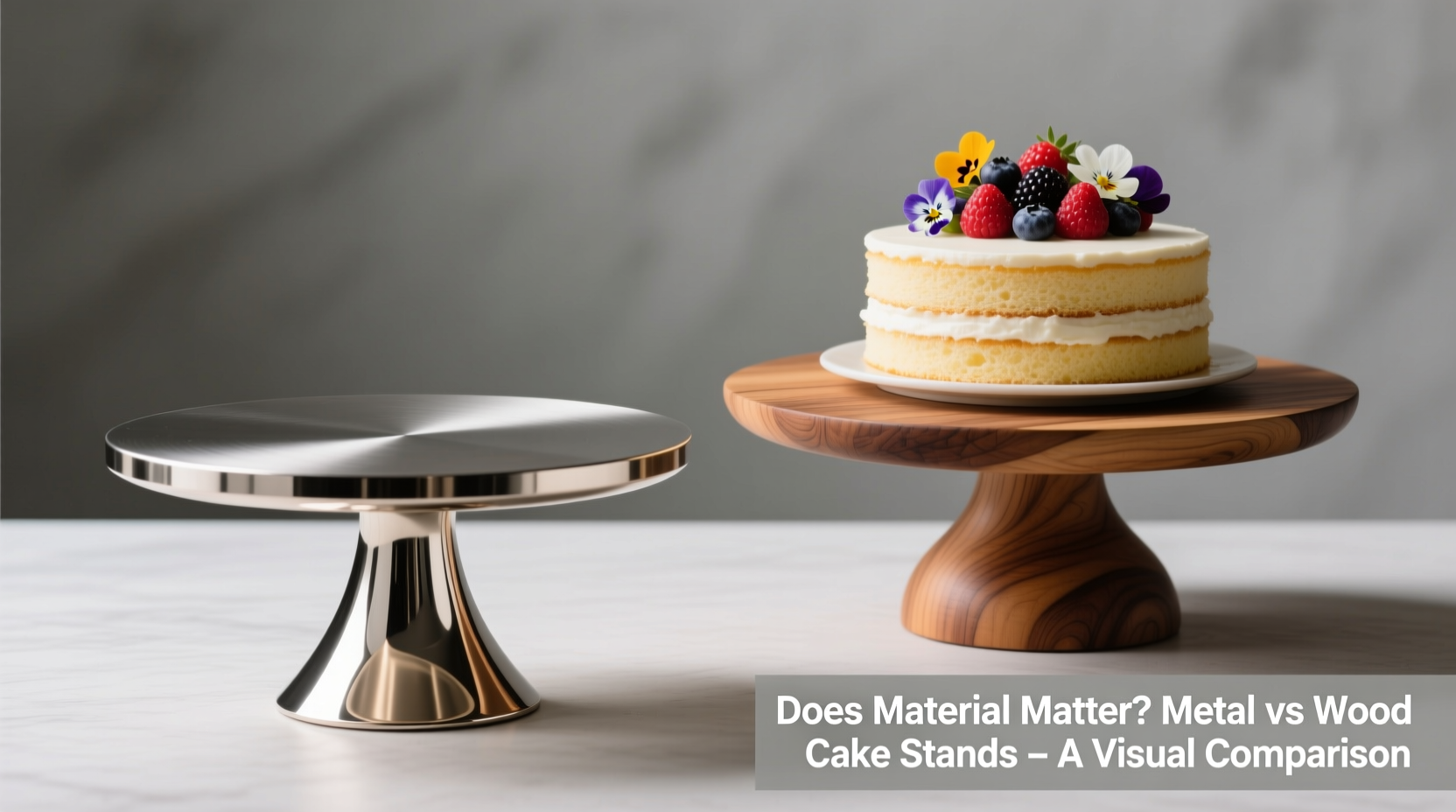
The lifespan of a cake stand depends heavily on its construction and material. Metal stands—typically made from stainless steel, aluminum, or iron—are known for their resilience. They resist warping, chipping, and moisture damage, making them ideal for frequent use in professional kitchens or catering environments.
Wooden cake stands, usually crafted from hardwoods like maple, birch, or walnut, offer natural beauty but require more maintenance. Exposure to moisture, heat, or prolonged sunlight can lead to cracking, discoloration, or warping over time. However, with proper sealing and care, high-quality wooden stands can last for years.
Metal: Built to Last Under Pressure
Stainless steel stands are especially popular in commercial settings because they withstand heavy cakes without bending. Their resistance to rust and corrosion ensures long-term usability, even when used daily. Aluminum variants are lightweight yet strong, making them easier to transport without sacrificing structural integrity.
Wood: Beauty With Responsibility
Wood brings warmth and organic charm to any table setting. However, its durability hinges on craftsmanship and finish. A well-sealed, food-safe varnished wood stand can handle occasional use with grace, but repeated exposure to humidity (such as in a humid kitchen) will degrade its surface over time.
“Material choice impacts not just appearance, but performance. In my decade of pastry work, I’ve seen wooden stands buckle under multi-tiered wedding cakes while metal ones held firm.” — Clara Nguyen, Pastry Chef & Event Stylist
Aesthetic Appeal and Styling Flexibility
The visual impact of a cake stand contributes significantly to the overall ambiance of an event. Wood offers a rustic, vintage, or bohemian feel that pairs well with farmhouse weddings, brunches, or artisanal dessert displays. Its grain patterns add character, and each piece is naturally unique.
Metal stands, by contrast, lean toward modern minimalism, industrial chic, or elegant sophistication. Polished chrome or gold-plated finishes elevate formal events, while matte black or brushed nickel options suit contemporary themes. Transparent glass-topped metal bases are also common, offering visibility of all cake tiers without distracting from the design.
| Material | Best For | Style Match |
|---|---|---|
| Wood | Rustic weddings, brunches, home bakers | Farmhouse, vintage, earthy themes |
| Metal | Formal events, bakeries, modern parties | Minimalist, industrial, luxury aesthetics |
Functionality and Practical Considerations
Beyond looks, practicality plays a crucial role. Stability, weight capacity, portability, and ease of cleaning vary significantly between materials.
Weight Capacity and Support
Metal stands generally support heavier loads. A three-tier wedding cake weighing over 20 pounds rests securely on a reinforced metal base, whereas a thin wooden pedestal may flex or shift under pressure, risking collapse. This makes metal the preferred option for elaborate confections.
Cleaning and Maintenance
Metal stands are typically dishwasher-safe (if non-electroplated) and easy to sanitize—critical for professional bakers adhering to health codes. Wooden stands must be wiped gently and conditioned periodically with food-grade mineral oil to prevent drying and splitting.
Portability and Storage
If you frequently transport cakes to off-site events, metal’s sturdiness and stackable designs give it an edge. Many come with removable tiers and compact storage profiles. Wood stands, while often beautiful, tend to be bulkier and more fragile during transit.
Real-World Example: A Wedding Cake Dilemma
Sophie, a DIY bride planning her outdoor garden wedding, wanted a natural, romantic look. She chose a hand-carved wooden cake stand with floral engravings to match her theme. On the day of the event, temperatures rose unexpectedly, and dew lingered into midday. As guests gathered, the wooden base absorbed ambient moisture from the grass-covered patio, causing slight warping. Though the cake remained intact, the stand tilted visibly by the end of the reception.
In hindsight, Sophie opted for aesthetics over function. A metal stand with a wood-look finish or a sealed composite alternative would have provided the desired visual tone with better structural reliability.
Step-by-Step Guide: Choosing the Right Material
- Evaluate the cake size and weight. Heavy or multi-tiered cakes need robust support—favor metal.
- Consider the event environment. Outdoor, humid, or high-traffic settings call for durable, low-maintenance materials.
- Align with your decor theme. Choose wood for warmth and tradition, metal for sleekness and precision.
- Assess usage frequency. Frequent users benefit from metal’s longevity; occasional hosts may prefer wood’s charm.
- Factor in storage and cleaning habits. If you dislike hand-washing or lack dry storage space, metal simplifies upkeep.
Checklist: Before You Buy a Cake Stand
- ✅ Can the stand support the full weight of your largest intended cake?
- ✅ Is the material safe for direct food contact?
- ✅ Does it disassemble easily for storage or transport?
- ✅ Will it complement your typical event themes?
- ✅ Can it be cleaned without damaging the finish?
- ✅ Is the base wide enough to prevent tipping?
FAQ
Can I use a wooden cake stand for a tiered wedding cake?
Yes, but only if it's specifically designed for heavy loads. Look for thick, reinforced pedestals with a broad base. Avoid thin or decorative wood stands for cakes over two tiers.
Are metal cake stands prone to rust?
Not if made from quality materials. Stainless steel and anodized aluminum resist corrosion. Avoid leaving untreated iron-based stands wet or outdoors for extended periods.
Do wood cake stands affect the taste of the cake?
No, provided they are properly sealed with food-safe finishes. Unsealed or poorly maintained wood could potentially harbor odors or bacteria, so regular conditioning is essential.
Final Thoughts: Does the Material Really Matter?
Yes—the material of your cake stand absolutely matters, not just for appearance but for performance. While wood excels in creating emotional resonance and organic elegance, metal wins in strength, hygiene, and versatility. Your decision should balance context: the type of cake, the event setting, and how often you plan to use the stand.
For professionals and frequent entertainers, metal offers unmatched reliability. For home bakers who value craftsmanship and seasonal décor, a well-cared-for wooden stand can be a cherished centerpiece. Hybrid options—like metal frames with wooden trays or laminated wood composites—are emerging as smart compromises.
Ultimately, the best cake stand doesn't just hold up your dessert—it enhances it, protects it, and reflects your intention behind the moment.




 浙公网安备
33010002000092号
浙公网安备
33010002000092号 浙B2-20120091-4
Comments
No comments yet. Why don't you start the discussion?