
When choosing a wallet, most people focus on size, style, or brand—but the material matters more than you think. The debate between metal wallets and leather wallets isn’t just about aesthetics; it’s about longevity, practicality, and true value over time. While metal wallets promise indestructibility and modern minimalism, leather wallets offer tradition, flexibility, and character that evolves with age. But which one truly lasts longer—and is actually worth your money?
This isn’t a simple “which is better” answer. It depends on how you use your wallet, your lifestyle, and what you value in craftsmanship and function. Let’s break down both options with real-world insight, durability testing, and expert-backed analysis to help you decide once and for all.
Durability: How Long Do Metal and Leather Wallets Really Last?
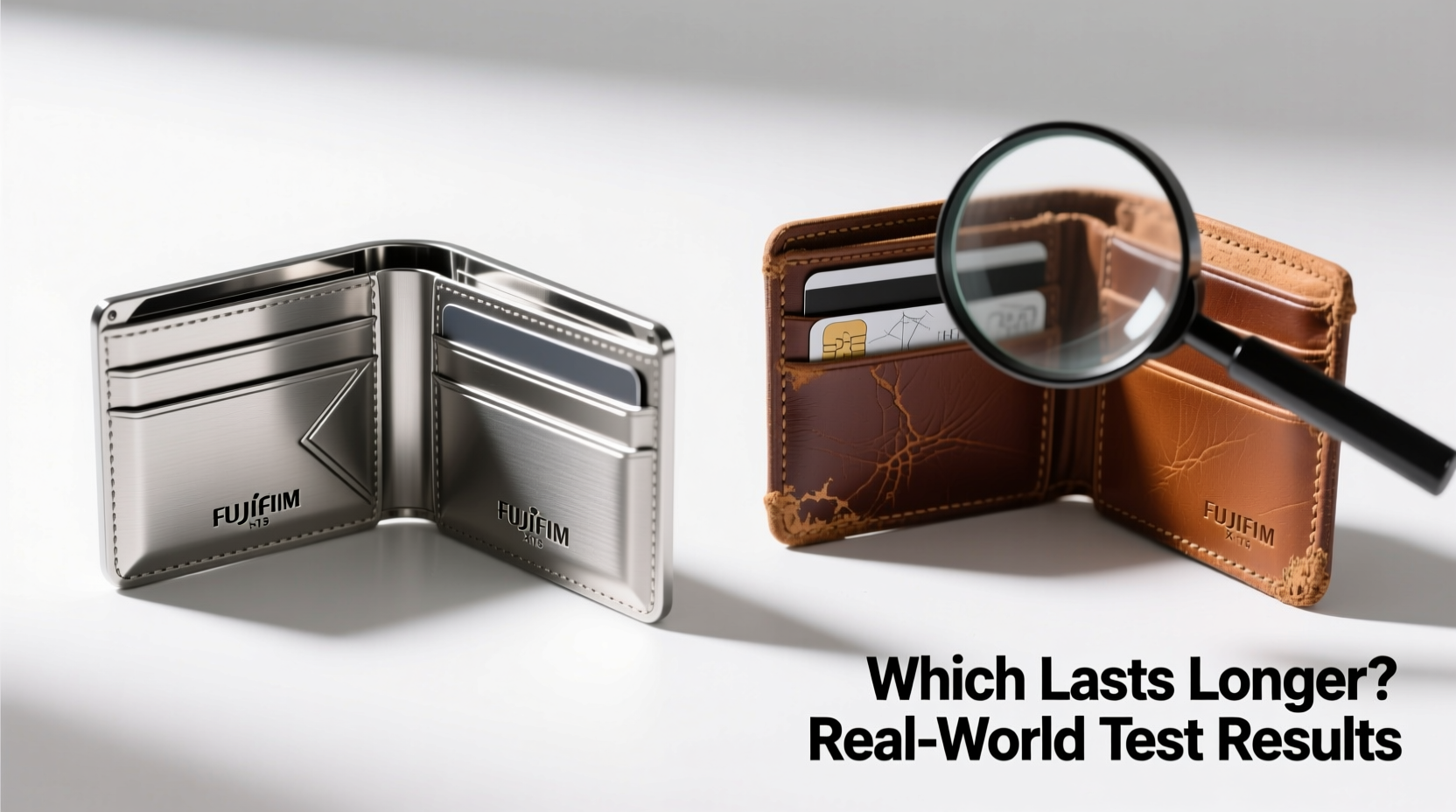
Metal wallets are often marketed as “indestructible.” Constructed from aerospace-grade aluminum, titanium, or stainless steel, they resist crushing, bending, and even fire in some cases. Their rigid structure protects cards and cash from warping, and their minimalist design reduces pocket bulk. In theory, a well-made metal wallet can last decades without structural failure.
Leather wallets, by contrast, are organic. They’re made from animal hide—usually cowhide, goatskin, or exotic leathers like ostrich or stingray. Over time, quality full-grain leather develops a patina: a natural sheen and texture that deepens with use. However, leather is susceptible to moisture, cracking, and wear if not maintained. Poorly tanned or thin leathers may split at stress points after just a few years.
That said, high-quality leather wallets properly cared for can last 15–25 years or more. Some vintage leather wallets from the early 20th century are still functional today, passed down as heirlooms. Metal wallets, while resilient, can suffer from hinge fatigue, spring mechanism failure (in pull-style designs), or scratched finishes that don’t age gracefully.
Material Comparison: Strengths and Weaknesses
| Feature | Metal Wallet | Leather Wallet |
|---|---|---|
| Lifespan (with care) | 10–30+ years | 15–25+ years (premium full-grain) |
| Resistance to Elements | High (water, crush, fire) | Moderate (vulnerable to water, UV) |
| Pocket Comfort | Low (rigid, cold, bulky when full) | High (molds to body, softens over time) |
| RFID Protection | Yes (built-in) | Only if specially lined |
| Aesthetic Aging | Scratches accumulate; doesn’t develop character | Develops rich patina; ages elegantly |
| Repairability | Limited (mechanical parts fail) | High (stitching, lining, edges repairable) |
The table shows a key insight: metal wins in brute durability, but leather excels in adaptability and emotional value. A dented titanium wallet might still work—but it looks used. A worn-in leather wallet gains charm.
Maintenance and Real-World Use
Metal wallets require almost no maintenance. Wipe with a damp cloth if dirty. However, internal mechanisms—like the spring-loaded pull in popular models—can wear out after thousands of uses. Once broken, replacement parts are rarely available. Most users end up discarding the entire unit.
Leather wallets need periodic care. Every 3–6 months, apply a conditioner to prevent drying and cracking. Avoid soaking in water, and never store in a wet pocket. If the stitching loosens, a cobbler can re-stitch or replace the lining. Many premium brands offer repair services, extending the life indefinitely.
“Leather is like skin—it needs hydration. Neglect it, and it cracks. Care for it, and it rewards you with beauty and strength.” — Daniel Reyes, Master Saddle Maker & Leather Conservator
Realistically, most people don’t maintain their wallets. In this case, metal has an edge: it doesn’t demand attention. But for those willing to invest a few minutes twice a year, leather offers unmatched longevity potential.
Cost vs. Value: What’s Actually Worth It?
Metal wallets range from $40 to $150. Leather wallets vary widely: $25 for synthetic bonded leather, $80–$200 for quality full-grain, and $300+ for handmade artisan pieces.
Here’s the truth: cheap metal wallets often use low-grade aluminum and flimsy springs. They may last 3–5 years before failing. Premium metal wallets (e.g., titanium) can justify their $120 price tag with superior materials and engineering.
On the leather side, a $100 full-grain bifold from a reputable brand like Fossil, Bellroy, or Saddleback will outlast most metal alternatives if maintained. And unlike metal, its value *increases* visually over time.
Mini Case Study: Two Users, Two Paths
Consider two professionals: Mark and Elena.
- Mark bought a $70 aluminum wallet in 2018. It survived daily carry, gym sessions, and being run over by a bike. But in 2022, the spring mechanism failed, making card retrieval impossible. He replaced it with another metal model.
- Elena invested $110 in a full-grain leather trifold in 2016. She conditioned it twice a year, stored it in a dry drawer at night, and avoided overstuffing. Today, her wallet looks richer than new—darkened edges, smooth surface, and a personal story etched into every crease. It’s still going strong.
After six years, Elena’s wallet has delivered better long-term value. Mark spent $140 and owns zero functional wallets. This isn’t rare—it’s typical.
Step-by-Step Guide to Maximizing Wallet Lifespan
- Choose the Right Material: For zero-maintenance durability, pick titanium. For character and longevity, choose full-grain leather.
- Limit Capacity: Overstuffing causes stress. Carry only essential cards and folded cash.
- Rotate Usage: Own two wallets and alternate weekly to reduce wear.
- Clean Monthly: Remove lint, wipe surfaces. For leather, use a leather cleaner.
- Condition Leather Every 6 Months: Apply a beeswax-based conditioner to nourish fibers.
- Store Properly: Keep in a cool, dry place away from direct heat or sunlight.
- Repair Early: Fix loose stitching or peeling lining before it worsens.
FAQ: Common Questions Answered
Can metal wallets damage credit cards?
Yes—especially RFID or magnetic stripe cards. The tight fit and metal contact can demagnetize strips or interfere with chips over time. Leather wallets allow more space and cushioning, reducing risk.
Do leather wallets stretch?
Slightly. Full-grain leather molds to your contents over weeks. This is normal and improves comfort. However, overstuffing accelerates stretching and weakens seams.
Are metal wallets worth it for travel?
In high-theft areas, yes—their slim profile and RFID shielding help. But for long trips, their rigidity can be uncomfortable. Many travelers prefer bi-fold leather with RFID protection.
Final Verdict: Which Is Better for You?
If your priority is “set it and forget it” durability with modern features like RFID blocking and slim profiles, a high-end metal wallet—especially titanium—is a solid investment. But know this: its lifespan is limited by mechanical components, not the metal itself.
If you value craftsmanship, timeless style, and a product that improves with age, a full-grain leather wallet is not only longer-lasting in practice but also more emotionally rewarding. With basic care, it can serve you for decades and become a signature part of your identity.
In terms of raw longevity under ideal conditions, leather wins. In terms of resistance to neglect, metal wins. The real question isn’t which lasts longer—it’s which aligns with how you live.




 浙公网安备
33010002000092号
浙公网安备
33010002000092号 浙B2-20120091-4
Comments
No comments yet. Why don't you start the discussion?